
Tower Fabrication Equipment · Factory Direct
Transmission Tower Fabrication Equipment
A lattice transmission tower is built from two kinds of processed parts: angle members and connection plates. RITEC builds the machines for both in our own factory in Jinan, Shandong Province, China.
Send us your tower drawings and parts list. We match the equipment to the parts you actually make, whether you need one machine to close a gap or a full set for a new workshop.
Angle members
CNC angle line
Joints and laps
notching and heel milling
Connection plates
CNC plate drilling
Punched plates
hydraulic plate punching
The Machines We Build for Tower Fabricators
We build every machine a tower shop uses to turn raw angles and plates into finished tower parts. You choose only the machines your drawings call for: notching and heel milling go in where the geometry needs them, and plates are drilled or punched according to thickness, hole and finish requirements.

CNC Angle Line
Our main machine for tower angle members. One CNC line feeds the angle, marks the part number, punches both legs and shears it to length, then discharges the finished member, all from your angle drawings. Not sure whether to punch or drill? Read punching vs drilling for tower angles.
See our CNC angle lines
CNC Hydraulic Angle Notching Machine
For angle ends that need a notch or cut-back where members meet at a joint. We add it only where your drawings show notched members.
See our angle notching machines
Angle Steel Heel Milling Machine
For angles where the drawing calls for a milled heel, so one angle sits inside another at a lap splice. Ask Henry about heel milling for your section range.
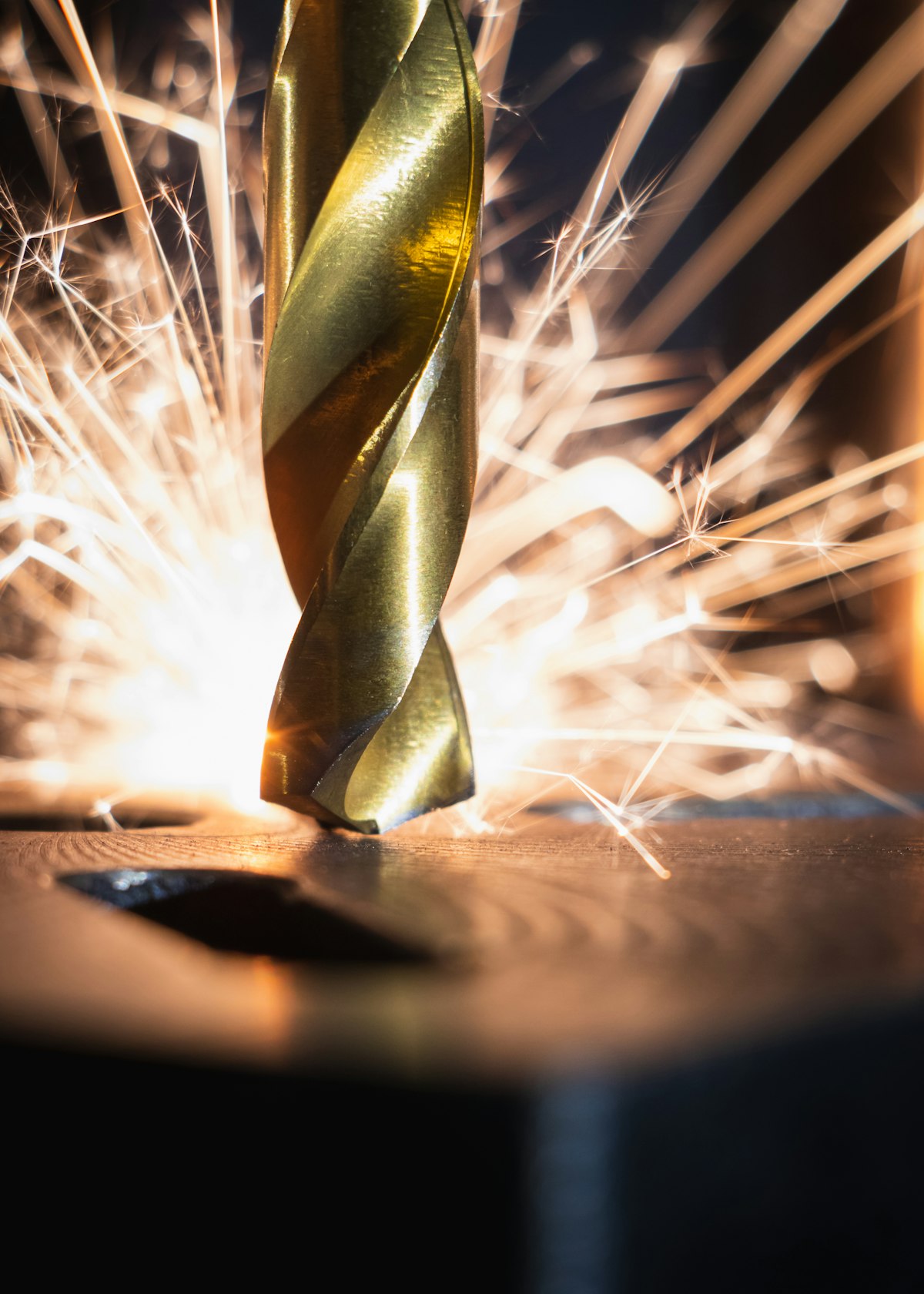
CNC Plate Drilling Machine
For tower connection plates and base plates. It drills, taps and chamfers or countersinks holes straight from your plate drawings.
See our CNC plate drilling machines
Hydraulic Plate Punching Machine
For connection plates where punched holes meet your specification. We build both punching and drilling machines, so we recommend the process from your drawing.
See our hydraulic plate punching machines
CNC Beam Drilling Line
For tower projects that also include steel beams, such as substation and steel-structure work alongside the lattice towers.
See our CNC beam drilling linesStart with a Representative Tower Parts Package
The quickest route to a sound equipment plan is a sample of the work you will repeat. Send common members, the largest and smallest sections, unusual hole patterns and the plates that connect them; a partial package is fine to start.
| Input | What to include | How we use it |
|---|---|---|
| Drawings | Approved angle and plate drawings with revision status | Fixes the geometry, holes and part marks we plan for |
| Angle schedule | Section sizes, lengths and material grades | Defines the processing range of the angle line |
| Connection plates | Plate drawings, thickness and hole patterns | Separates plate work from angle work and decides drilling or punching |
| Quantities | Quantity per part and the delivery sequence | Shows the real workload and how kits must leave your shop |
| Existing equipment | Machines you keep and work you outsource | Shows which machines stay and where the real gaps are |
| Workshop | Building dimensions, cranes and utilities | Sets the layout and installation limits |
| Inspection | Your inspection and documentation requirements | Sets the acceptance checks we propose |
Drawings
Approved angle and plate drawings with revision status
Fixes the geometry, holes and part marks we plan for
Angle schedule
Section sizes, lengths and material grades
Defines the processing range of the angle line
Connection plates
Plate drawings, thickness and hole patterns
Separates plate work from angle work and decides drilling or punching
Quantities
Quantity per part and the delivery sequence
Shows the real workload and how kits must leave your shop
Existing equipment
Machines you keep and work you outsource
Shows which machines stay and where the real gaps are
Workshop
Building dimensions, cranes and utilities
Sets the layout and installation limits
Inspection
Your inspection and documentation requirements
Sets the acceptance checks we propose
Plan Angle Members and Connection Plates Together
Tower parts move through two workstreams that have to finish together. The map below follows each part from stock to the next stage; the final order depends on your machines and production controls.
Angle Members
Record from the drawing why each notch or milled heel is needed, instead of adding the operation by default.
Connection Plates
Bolts, tubular members, welded assemblies and galvanizing stay outside the machine scope, but we keep them in the plan because they affect delivery.
Let's Check Your Parts List and Output Target
Send a representative parts list with quantities and your output target. We tell you which operations each part needs, which of them your shop already covers and where a new RITEC machine would actually add capacity.
Balance the Workload Before Adding Machines
Output depends on your part mix, not on a machine's nominal speed. We build a workload sheet from your quantities per part and compare how long the angle side and the plate side take to finish the same batch.
What goes on the workload sheet
Same Capacity, Different Results
Part mixTwo angle lines with similar nominal capacity can serve very different shops when hole patterns, lengths and size changes differ. We look at your mix, not a headline figure.
The Plate Side Can Be the Bottleneck
Plate workPlate processing can limit output even when the angle line has spare time. That is why we size plate drilling and punching in the same review.
Incomplete Kits Are Not Always a Machine Problem
SequencingIf parts reach assembly in incomplete kits, check sequencing, handling and secondary operations first. Sometimes the fix is a better route, not another main machine.
Estimates Stay Labelled as Estimates
Clear numbersWhere a figure in the workload sheet is an estimate, we mark it as one and agree with you how it will be checked.
Fit the Equipment into Your Workshop
A machine footprint on its own is not a workshop layout.
We check the proposed layout against your longest raw stock, plate blank movement and finished-part collection, and we agree how approved drawings reach the machines. For an existing shop, send the current machines, storage positions and the routes your team uses.
Plan
Space and Material Flow
- Room for the longest raw angle stock at infeed and outfeed
- Plate blank movement, cranes and other handling equipment
- Operator access, maintenance areas and safe walkways
- Foundations, power and any air or fluid services, with the party responsible for each
Control
Drawings, Part Marks and Programs
- How approved drawings and part lists reach the workshop
- How a revised drawing is told apart from the previous revision
- How part marks are assigned and parts traced to the right batch
- If your drawing office exports NC files, send sample files so we can check them with the configuration
Built in Our Factory, Scoped in Writing
Every machine in this set comes from our own factory in Jinan: machining, assembly, electrical installation, programming and full-line testing are done in-house. You deal with one manufacturer for the angle side and the plate side, and our written offer states exactly what is included.
The exact machine configuration and included auxiliaries
Initial tools, wear parts and any fixtures that are not included
The drawings, material, quantities and operations to be tested
The measurement method, the criteria and who reviews the results
Site preparation, unloading, assembly and commissioning tasks, and which party handles each
The audience, content and format of any operator training
The manuals, drawings and records you receive
The contact route, service scope and commercial terms
This page explains how we define a project; the accepted technical offer and contract set the final scope.
Questions About a Tower Fabrication Equipment Package
Short answers to common questions from tower fabricators. If yours is not here, ask Henry directly.
Do we need to buy all the machines at once?
No. Start with the work your current equipment cannot complete, or cannot complete on schedule. We check how a new machine fits with the machines you keep, and you can add others as your output grows.
Does every tower project need notching and heel milling?
No. Notching and heel milling depend on the part details, not on the fact that the project is a tower. We identify the drawing features that need them and add these machines only where they are required.
Should tower connection plates be drilled or punched?
It depends on plate thickness, hole diameter, hole quality and finishing requirements. We build both CNC plate drilling machines and hydraulic plate punching machines, so we recommend the process from your plate drawings and specification.
Can RITEC supply the equipment for a complete tower fabrication workshop?
Yes, for the processing equipment. We build the angle-side and plate-side machines on this page, and our offer separates RITEC supply from customer responsibilities. Tower design, galvanizing, foundations and other plant systems need their own scope review.
Can the machines meet our project standard?
Send the applicable drawings and acceptance requirements. We review the manufacturing process and test plan against them, then write the agreed checks, evidence and responsibilities into the technical scope for your project.
Is RITEC a manufacturer or a trading company?
RITEC is a manufacturer. Our production base is in Jinan, Shandong Province, China, where machining, assembly, electrical installation, programming and full-line testing are done in-house.
Start with One Tower Parts Package
Send a representative parts list, angle and plate drawings, material grades and your production target, plus your existing equipment and workshop space. One project is enough to begin; tell us about any future parts the equipment must also cover.
Or email cncmachinery@costergroup.cn
You send
- Parts list with quantities
- Angle and plate drawings
- Material grades
- Production target
- Existing machines
- Workshop space
We check
- Operations for each part
- Angle and plate workload
- Machines to add
- Layout fit
- Written supply scope