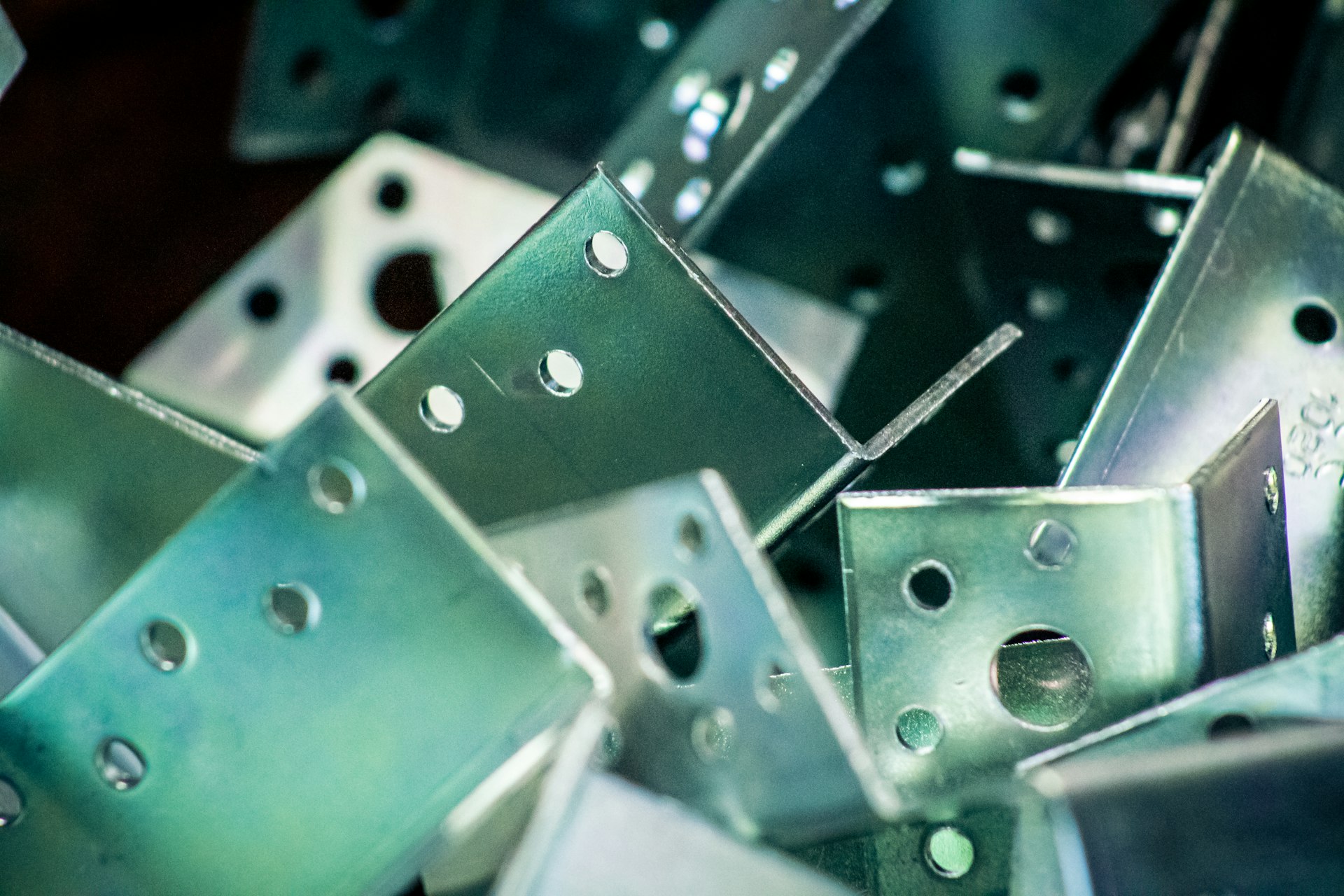
Plate Drilling vs Punching · Buying Guide
Plate Drilling vs Punching: How to Choose
Choose the process that makes the holes your drawing requires, in your material, at the lowest cost for the finished part. RITEC builds both CNC plate drilling machines and hydraulic plate punching machines in our factory in Jinan, Shandong Province, China, so we recommend from your drawing, not from one product line.
Thickness, hole size and volume all matter, but none of them settles the choice on its own. Send your drawing and acceptance requirements, and we compare both routes on the same parts.
CNC drilling
Drill, tap, chamfer, countersink
Hydraulic punching
Punched holes in plate
Mixed route
Split the work by part group
One factory
We build both machines
What This Guide Covers
Jump to the step you need, from how each process makes a hole to the cost of the complete route.
How Each Process Makes a Hole
Drilling cuts the hole; punching shears it out.
Start With the Drawing
The hole details that decide the route.
Quick Comparison
Where common requirements point.
Actual Machine Limits
Why a thickness rule is not enough.
Repeated or Changing Work
How volume and job mix change the answer.
Count the Complete Route
A fair cost comparison.
When a Mixed Route Makes Sense
Split the work by part group.
FAQ
Short answers to common questions.
Send Your Plates
Get a recommendation for your parts →
How Drilling and Punching Make a Hole
Drilling cuts the hole with a rotating tool; punching shears it out with a punch and die. Compare both on the finished hole: any extra operation one route needs before release counts in its time and cost.
CNC Plate Drilling
Our CNC plate drilling machines work steel plates, flanges, tube sheets, bridge plates and tower plates. See our CNC plate drilling machines
Hydraulic Plate Punching
We build them for plate parts where punched holes meet the specification. See our hydraulic plate punching machines
Start With the Drawing, Not the Machine
The drawing decides which differences matter. Before comparing machine capacity, we read the hole requirements and project rules for your plates.
Hole Size and Shape
Diameters, slots and any hole that is not round, each made by a drill or by a matching punch and die.
Position and Edge Distance
Hole positions, pitch and the distance to the plate edge. They affect how the plate is clamped and which tooling fits.
Finished Condition
The required hole wall, edge and burr condition, and any finishing the specification allows.
Threads and Countersinks
Threaded, chamfered or countersunk holes need a machining plan. Our CNC plate drilling machines tap, chamfer and countersink as well as drill.
Project Specification
Whether the project names a fabrication method or needs the route approved. On structural work, the project requirements and the responsible engineer decide.
Material and Thickness
Grade, strength and thickness for each plate group. They set the punching force or drilling load, so we read them per part.
Making tower or structural plates? See tower connection plate drilling and structural connection plate drilling.
Drilling or Punching: Quick Comparison
Use this as a first pass on your own parts. Where a requirement points to drilling, that is our default; where punching can be considered, we confirm it against the machine, tooling and your material.
| Your requirement | Direction |
|---|---|
| Threaded holes | Drilling and tapping |
| Chamfered or countersunk holes | Drilling with chamfering or countersinking |
| Flanges and tube sheets | CNC drilling |
| Mixed hole diameters on one plate | CNC drilling |
| A specified hole wall or surface condition | CNC drilling |
| Project specification restricts punched holes | CNC drilling |
| Simple repeated holes within punching capacity | Punching can be considered |
| High-volume standard holes | Evaluate both |
| Plates close to a machine limit | Engineering review |
Let Us Check Your Plate Before You Decide
Send the plate drawing, material grade, thickness, hole sizes and quantities. Because we build both machines, we tell you which process suits each part and where the boundary cases are.
Compare the Actual Limits, Not a Thickness Rule
There is no single thickness at which punching stops and drilling starts. Each machine's limits depend on the material, the hole and the tooling.
So we check both processes against your representative parts, not against a general idea of thin or thick plate.
Check
Punching: What to Confirm
- Material strength and thickness together, not thickness alone
- Hole diameter relative to plate thickness
- Punch-and-die selection and die clearance
- Machine force and reach to each hole position
- Rated maximum thickness and maximum hole diameter may not apply together
Check
Drilling: What to Confirm
- Material grade and hole diameter
- Hole depth and tool length
- Spindle capability for the drilling load
- Coolant supply and chip evacuation
- A plate that fits the table still needs a practical cutting process
We mark the accepted range on your representative parts. Boundary cases go to engineering review, and where needed we agree a trial with you before you decide. Choosing the drilling machine itself? Read how to choose a CNC gantry drilling machine.
Compare Repeated Work With Changing Work
Within the technical limits, volume and job mix decide the economics. Test both routes on a high-volume recurring part and on a typical mixed batch, because the work that fills most of your shifts matters more than one fast sample.
When the Same Holes Repeat
Repeated holes with suitable tooling can make punching attractive.
Count tooling changes, part handling and the setup for the next drawing, not only the stroke.
Check the hole condition on the first parts and again as the tooling wears.
Typical work:

When Every Batch Changes
Drilling covers a range of hole sizes with suitable tools.
Tool changes, cutting time and tool life set the cycle.
On mixed jobs, program preparation and fixture changes can take as long as the cutting.
Typical work:
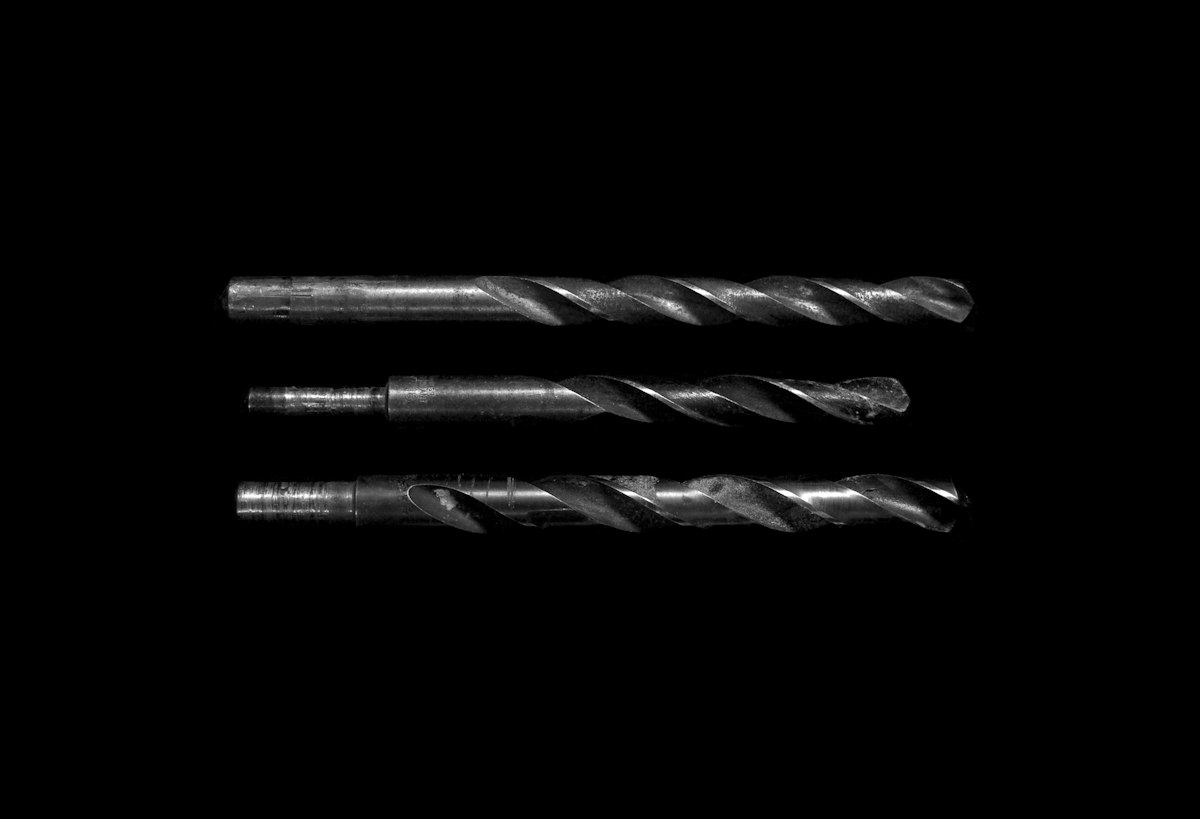
Count the Complete Route
Compare the cost of a finished, accepted part, not the machine price or the time for one hole. Use the same output target for both routes, and mark each figure as measured, estimated or unknown.
| Item | Drilling route | Punching route |
|---|---|---|
| Preparation | Programs, fixtures and first-part checks | Programs, tool setup and first-part checks |
| Production | Loading, drilling, tool changes and unloading | Loading, punching, tool changes and unloading |
| Tooling | Drills, taps, chamfer or countersink tools and holders | Punches, dies and holders |
| Quality | Inspection, permitted finishing and rejected parts | Inspection, any finishing the specification requires and rejected parts |
| Factory fit | Floor space, handling, coolant, chip removal and maintenance | Floor space, handling, hydraulic maintenance and slug removal |
| Flexibility | Time and cost to set up the next material or drawing | Time and cost to set up the next material or drawing |
Preparation
Drilling route: Programs, fixtures and first-part checks
Punching route: Programs, tool setup and first-part checks
Production
Drilling route: Loading, drilling, tool changes and unloading
Punching route: Loading, punching, tool changes and unloading
Tooling
Drilling route: Drills, taps, chamfer or countersink tools and holders
Punching route: Punches, dies and holders
Quality
Drilling route: Inspection, permitted finishing and rejected parts
Punching route: Inspection, any finishing the specification requires and rejected parts
Factory fit
Drilling route: Floor space, handling, coolant, chip removal and maintenance
Punching route: Floor space, handling, hydraulic maintenance and slug removal
Flexibility
Drilling route: Time and cost to set up the next material or drawing
Punching route: Time and cost to set up the next material or drawing
Send your representative parts and we fill in this table with you, using your production, not brochure figures.
When a Mixed Route Makes Sense
Many shops need both: one group of plates suits punching, another needs drilling, tapping or countersinking. Then the task is to split the workload, not force every part onto one machine.
What we map for each plate group
Group the Plates by Requirement
Split the workWe sort your parts by hole type, finished condition and volume, then assign each group to drilling or punching.
Check the Hand-Off Between Steps
TransfersWhere a plate goes through both processes, we plan the transfer, datum change, identification and inspection between the two steps.
Size Both Machines Together
CapacityBecause we build both machines, we size drilling and punching capacity against the same schedule, so neither side becomes the bottleneck.
Plan the Whole Plate Side
Tower shopsIn a tower shop, the plate side runs alongside the angle line: see our transmission tower fabrication equipment. For angle members, read angle punching vs drilling.
Plate Drilling vs Punching: Common Questions
Short answers to the questions buyers ask most. If yours is not here, ask Henry directly.
Is drilling always more accurate than punching?
Not as a blanket rule. Hole position, diameter, edge condition and surface finish are separate requirements, so we compare what each process achieves on your part.
Is punching only suitable for thin plate?
No. The usable range depends on the machine, the tooling, the material and the hole geometry. We confirm the punching capacity for your actual part instead of relying on a general idea of thin or thick.
Can punching and drilling be used in one production route?
Yes. Many shops punch one group of plates and drill another, and some plates need both. We include the transfers, datum changes and inspection between steps.
Which information changes the recommendation most?
Material, hole details, the required finished condition, batch volume and the approved fabrication requirements. One representative drawing usually tells us more than a single thickness value.
Does RITEC build both drilling and punching machines?
Yes. We build CNC plate drilling machines and hydraulic plate punching machines in our own factory in Jinan, Shandong Province, China, so our recommendation follows your drawing, not a single product line.
Can a CNC plate drilling machine also tap and countersink?
Yes. Our CNC plate drilling machines drill, tap and chamfer or countersink holes, so threaded and countersunk holes are finished on the same machine. We confirm the configuration for your hole sizes and material.
Send Your Plates for a Drilling and Punching Comparison
Send material grades, thicknesses, hole drawings, quantities and the project requirements that decide acceptance. We tell you which parts to drill, which to punch and which RITEC machine fits each group.