Steel Structure Fabrication · Factory Direct
CNC Drilling for Structural Connection Plates
Building frames, beams and columns are joined through plates: base plates, end plates, gusset plates and splice plates. RITEC builds the CNC plate drilling machines that drill them, in our own factory in Jinan, Shandong Province, China.
A structural shop rarely drills one plate a thousand times. It drills many drawings in short batches. Send us the plates you release in a normal week and we configure the machine around that mix.
Base plates
Column bases and anchor holes
End plates
Beam-to-column joints
Gusset plates
Bracing and truss nodes
Splice plates
Beam and column splices
The Connection Plates Our Machines Drill
Our CNC plate drilling machines drill, tap and chamfer or countersink holes in the flat plates that hold a steel frame together. Each plate family raises different drilling questions, so we review them one by one.
Base Plates
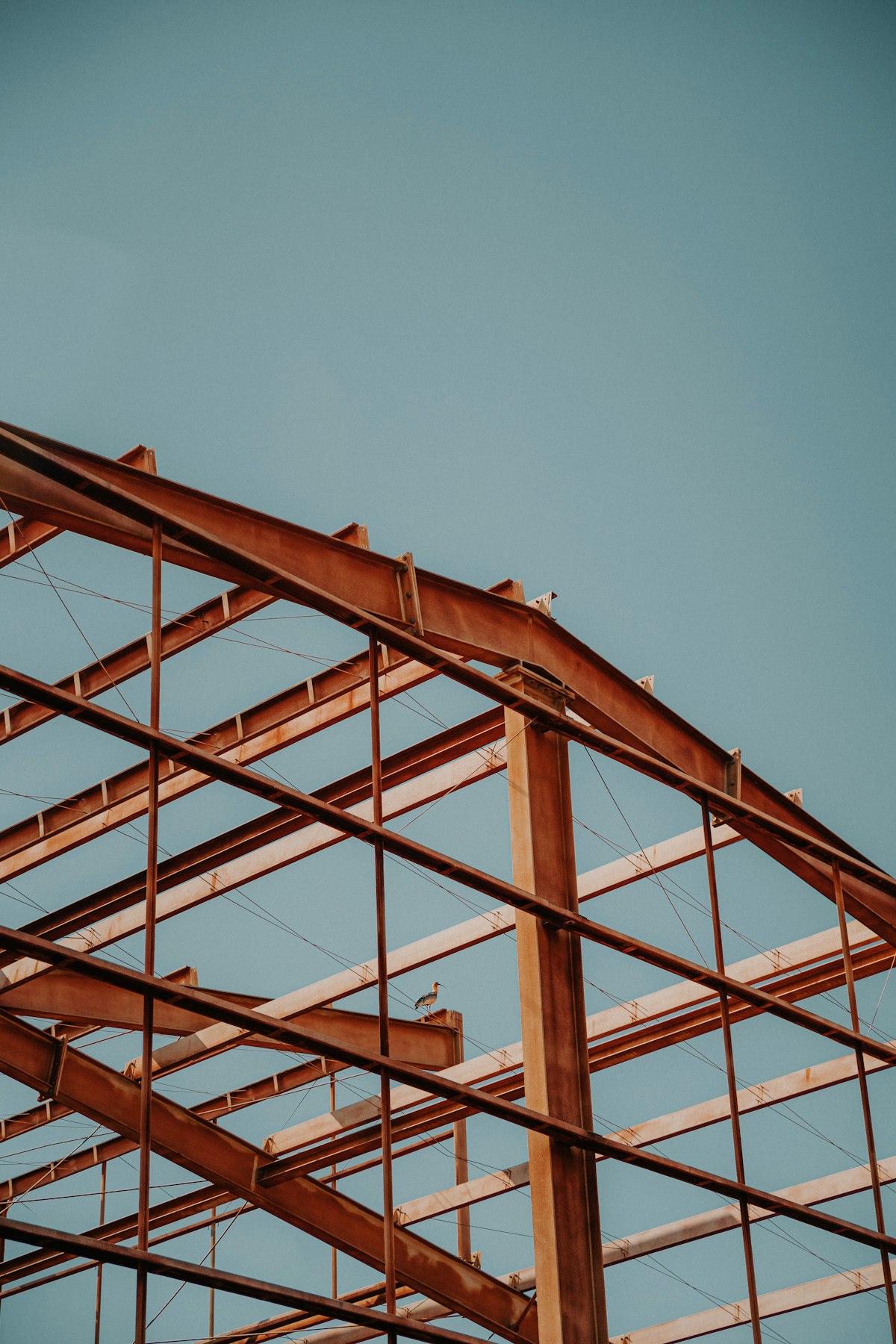
Often the heaviest plates on the job. Anchor holes must line up with the foundation, so plate thickness and hole size set the drilling load.

End Plates
Welded to beam ends and bolted to columns. The bolt pattern must match the mating member, and many end plates look almost the same.
Gusset Plates
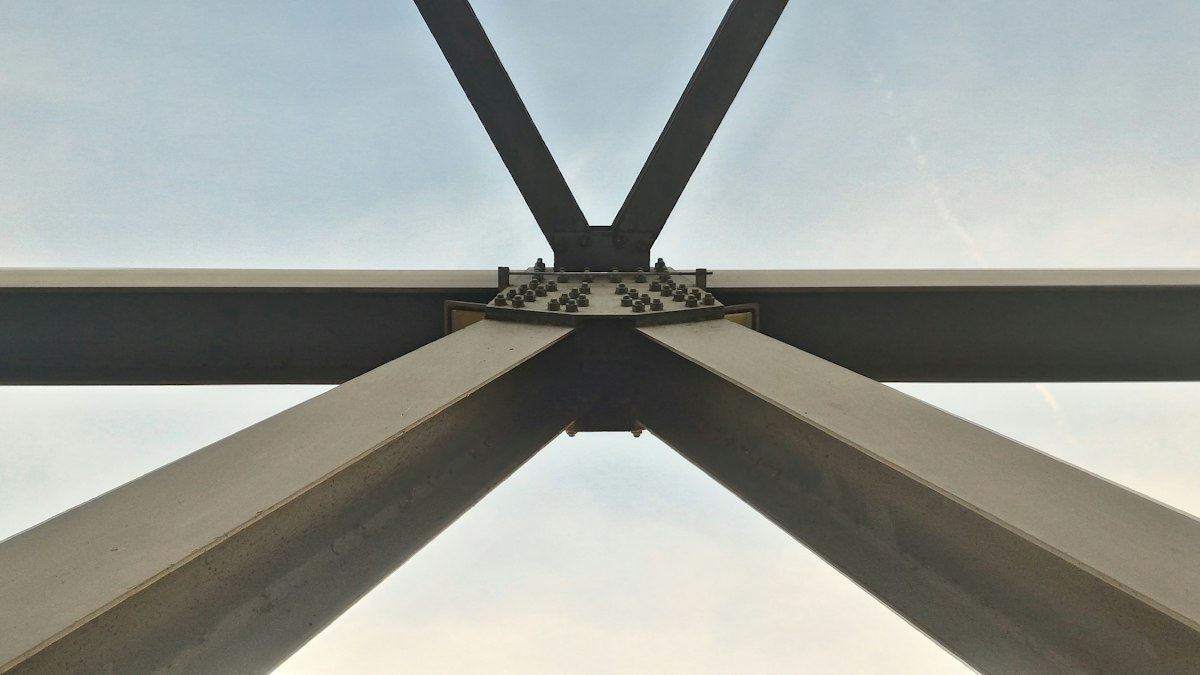
Bracing and truss nodes create many shapes and hole patterns, often only a few of each drawing. Fast setup matters more than top drilling speed.
Splice Plates
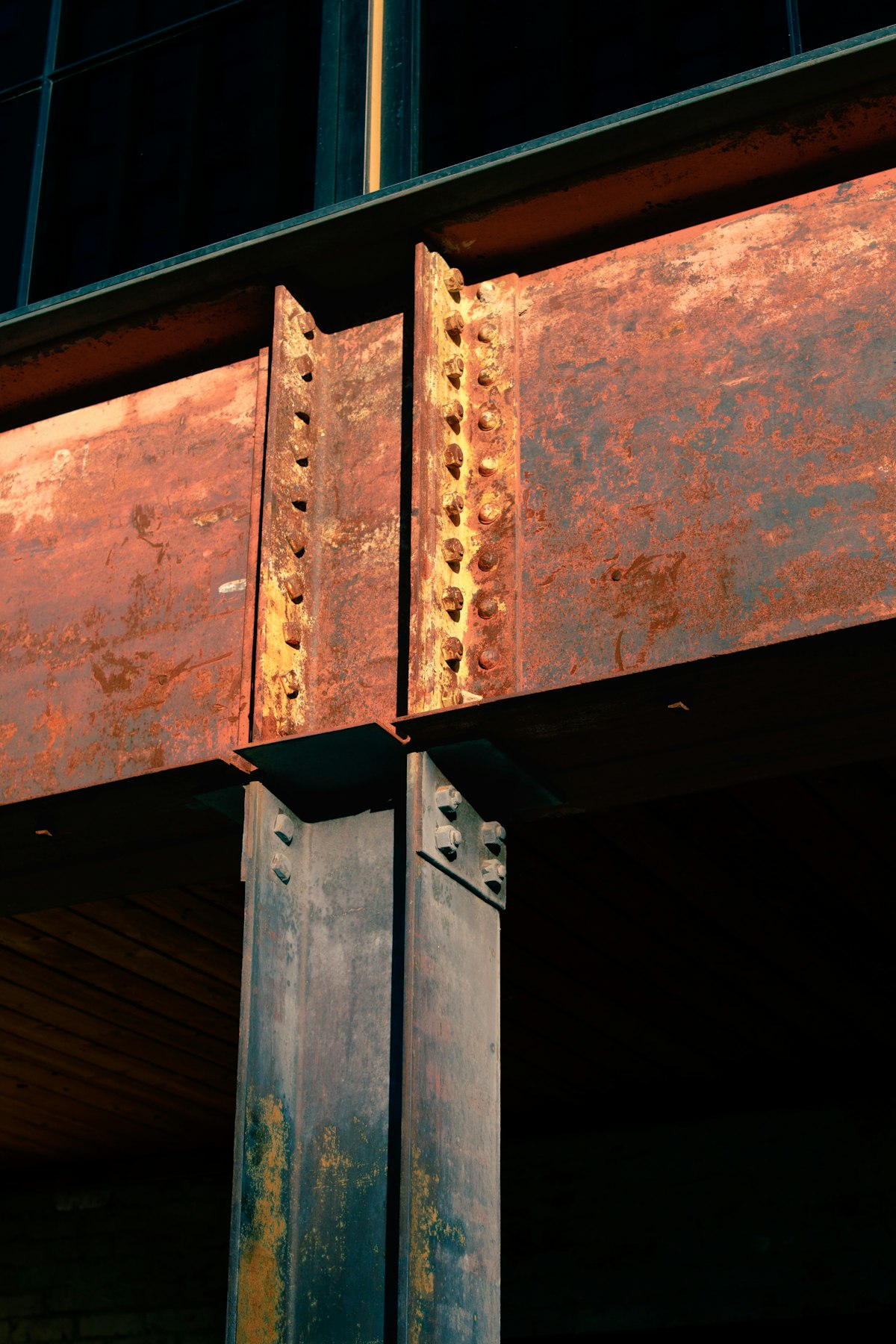
Flange and web splices come in matching sets. Mirrored parts and paired hole patterns need clear part numbers so each set stays together.
This page covers flat connection plates. For the beams and columns themselves we build CNC beam drilling lines; for lattice tower plates, see tower connection plate drilling.
Match the Machine to Your Daily Plate Mix
Size the machine for the plates you release every week, not for the largest plate you made once last year.
We group your regular work by material, thickness, plate size, hole diameters and quantity per drawing, and mark which parts need tapping, countersinking or chamfering.
Occasional oversized or specialist plates stay in the review, but we check whether they should set the main machine specification or go another route.
What We Record in Your Plate Mix
Frequent Parts
The plates you drill every week. They set the working area, clamping and tooling.
Hole Operations
Plain holes, tapped holes, countersinks and chamfers. Each needs a defined operation and tool.
Drawing Changes
How many drawings run in one shift. Short mixed batches gain more from fast setup than from top cutting speed.
Jobs That Wait
The plates that wait longest today. They show where your real bottleneck sits.
Exceptions
Oversized or unusual plates, listed separately so they do not inflate the main specification.
Future Work
New projects or plate families you expect, so the machine still fits next year's work.
Keep the Right Program With the Right Plate
Similar plates can carry different hole patterns, so the drawing, the program and the blank must stay matched. We agree these control points with you while we configure the machine.
| Control point | How we set it up with you |
|---|---|
| Drawing revision | How the current revision reaches the machine and how a superseded one is withdrawn |
| Part number and program name | One naming rule that links the drawing, the program and the finished plate |
| Material and blank | What the operator confirms before the cycle starts: grade, thickness and blank size |
| Programming route | Which import or programming method the control uses, checked with your sample drawings |
| First-piece check | A check on the first plate after every program or setup change |
| Part marking | Whether identification marks are applied at the drilling station or at another stage in your shop |
Drawing revision
How the current revision reaches the machine and how a superseded one is withdrawn
Part number and program name
One naming rule that links the drawing, the program and the finished plate
Material and blank
What the operator confirms before the cycle starts: grade, thickness and blank size
Programming route
Which import or programming method the control uses, checked with your sample drawings
First-piece check
A check on the first plate after every program or setup change
Part marking
Whether identification marks are applied at the drilling station or at another stage in your shop
Make Repeated Setup Practical
A machine that reaches every hole can still be slow if the clamps move for every plate. We plan the workholding around your regular plate shapes. For the machine structure itself, see how to choose a CNC gantry drilling machine.
Datums and Stops
Which cut edge or machined face is the reference, and how the next plate returns to it.
Clamping
Clamps that hold the plate securely without being moved for each new drawing.
Small Plates
Small gussets and fin plates need proper support so they stay flat and secure.
Several Plates per Setup
Where several plates share one setup, each one is held on its own and located in the program.
Loading and Checking
Loading, measuring and unloading belong in the comparison, not only the drilling.
Not sure how your plates should be held?
Send a few typical drawings. We propose datums, clamping and support for your plate shapes.
Drill, Punch or Both: Choose by Part Family
Choose the hole-making route plate family by plate family. We build both CNC plate drilling machines and hydraulic plate punching machines, so we recommend from your drawing, not from one machine type.
Threads, countersinks and chamfers are planned as defined operations. Finished bores, pockets or slots are confirmed separately or routed to another machine. For the full comparison, read plate drilling vs punching.
| Your plate requirement | Better direction |
|---|---|
| Thick base plates | CNC Drilling |
| Tapped holes | Drilling & Tapping |
| Countersunk holes | Drilling with Countersinking |
| Chamfered hole edges | Drilling with Chamfering |
| Mixed hole diameters on one plate | CNC Drilling |
| Specification calls for drilled holes | CNC Drilling |
| Thin plates with simple repeated holes | Punching Can Be Considered |
| High-volume plates with standard holes | Punching Can Be Evaluated |
| Finished bores, pockets or slots | Confirm Separately |
Count the Whole Batch, Not One Hole
A fair productivity comparison measures a representative mixed batch, including the time between jobs. We split that time into two lists.
Time the Machine Stands Still
On short mixed batches, these steps decide output as much as drilling speed does, so we count them in every estimate.
Work Done While It Drills
Which steps really run in parallel depends on the operating arrangement we confirm with you. Setup time stays in the estimate until that is agreed.
Machines We Build for Steel Structure Shops
RITEC builds every machine below in our own factory in Jinan, Shandong Province, China: machining, assembly, electrical installation, programming and full-line testing are done in-house. Start with one plate drilling machine and add the rest as your work grows. For angle members in steel structures, see structural angle fabrication.
Questions From Steel Structure Fabricators
Short answers to what structural shops ask us most. If yours is not here, ask Henry directly.
Does this page cover drilling the beams and columns themselves?
No. This page is about flat connection plates. Drilling a beam web or flange, or a welded assembly, needs different workholding and a different machine; for that work we build CNC beam drilling lines.
Is CNC drilling worthwhile for small batches?
Often, yes. It depends on the number of holes, the setup method and how much of the work repeats. We compare a complete batch on CNC with your current process rather than judging by quantity alone.
Can several different plates be drilled in one setup?
Sometimes. It works where the fixture and the program support it: each plate needs its own clamping and its own location in the program. We check both against your actual plates before proposing that setup.
Can the machine tap and countersink as well as drill?
Yes. Our CNC plate drilling machines drill, tap and chamfer or countersink holes. We configure the operations and tools from the threads, countersinks and chamfers on your drawings.
Should structural connection plates be drilled or punched?
It depends on plate thickness, hole size, the hole condition your specification requires and the volume. We build both drilling and punching machines, so we recommend the route for each plate family from your drawings.
Is RITEC a manufacturer or a trading company?
RITEC is a manufacturer. Our production base is in Jinan, Shandong Province, China, where machining, assembly, electrical installation, programming and full-line testing are done in-house.
Send Your Typical Plate Mix
Send a small set of drawings that covers your common parts, your most demanding holes and the jobs that change most often. A partial set is fine to start.
| What to send | How we use it |
|---|---|
| Typical plate drawings | Sets the plate sizes, hole patterns and operations we plan for |
| Materials and thicknesses | Sets the drilling load and the tooling |
| Quantities per drawing | Shows the batch sizes and how often the setup changes |
| Current production method | Shows where time is lost today and what causes rework |
| Your goal | Adding capacity, cutting outside processing or moving jobs onto one machine |
| Space and loading equipment | Sets the machine layout and how plates reach it |
Typical plate drawings
Sets the plate sizes, hole patterns and operations we plan for
Materials and thicknesses
Sets the drilling load and the tooling
Quantities per drawing
Shows the batch sizes and how often the setup changes
Current production method
Shows where time is lost today and what causes rework
Your goal
Adding capacity, cutting outside processing or moving jobs onto one machine
Space and loading equipment
Sets the machine layout and how plates reach it
Or email cncmachinery@costergroup.cn