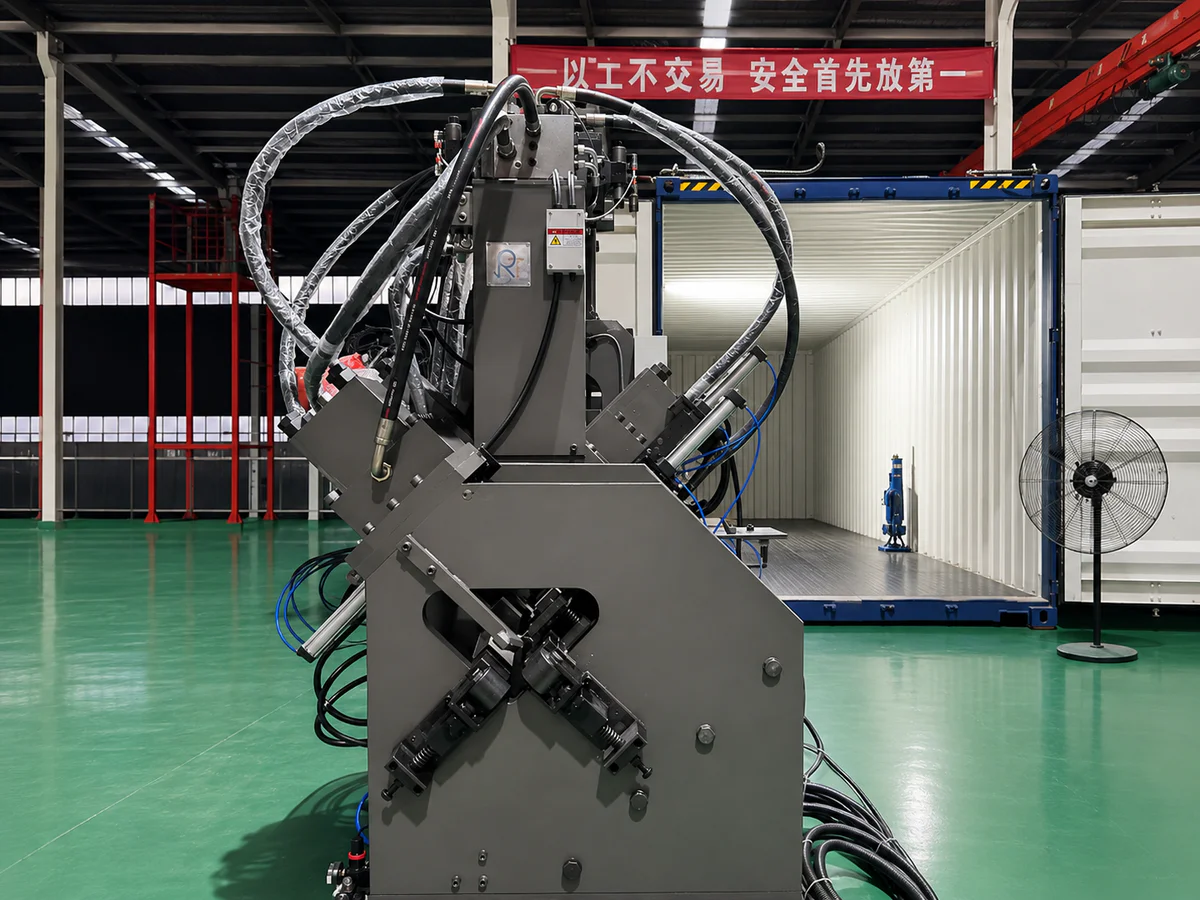
China CNC Channel Steel Punching Line Factory
Channel Steel Punching · Marking · Shearing · Continuous Production
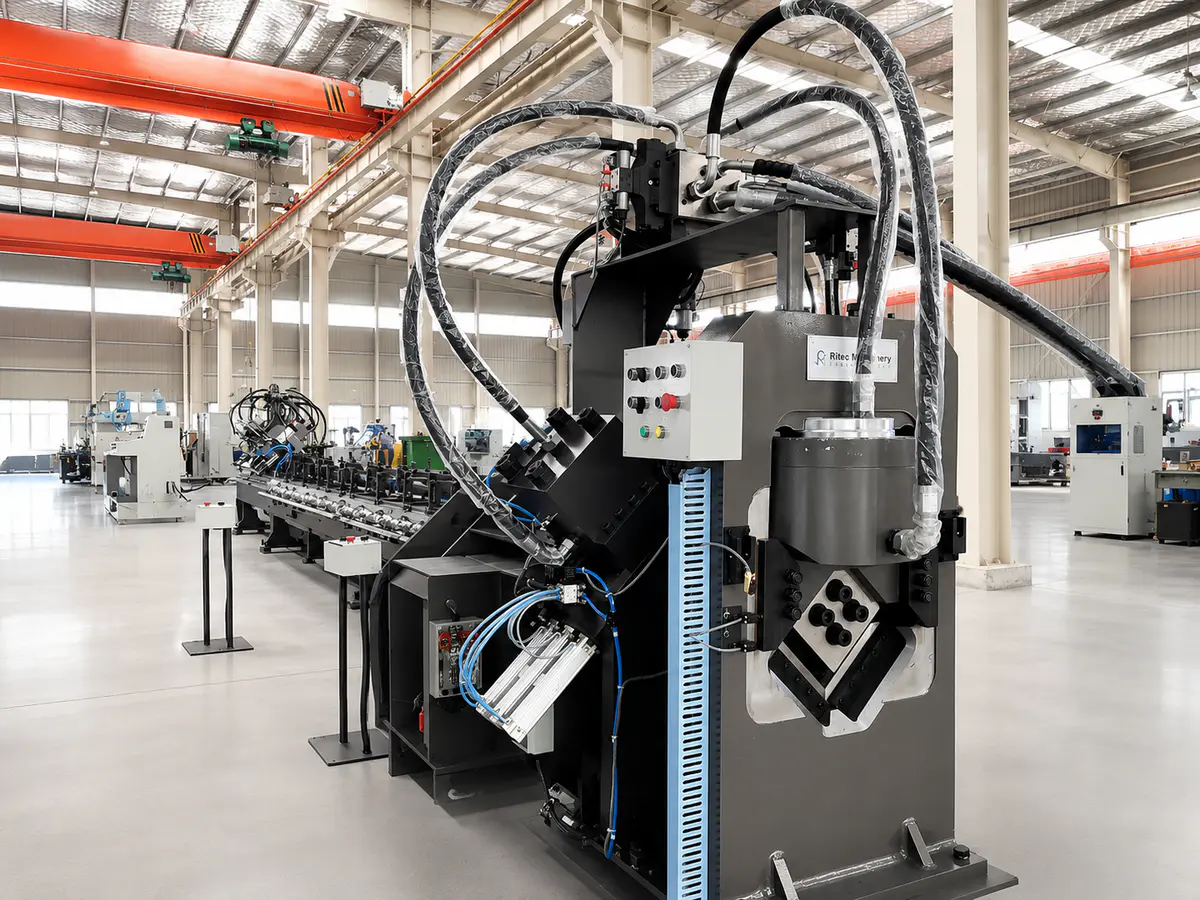
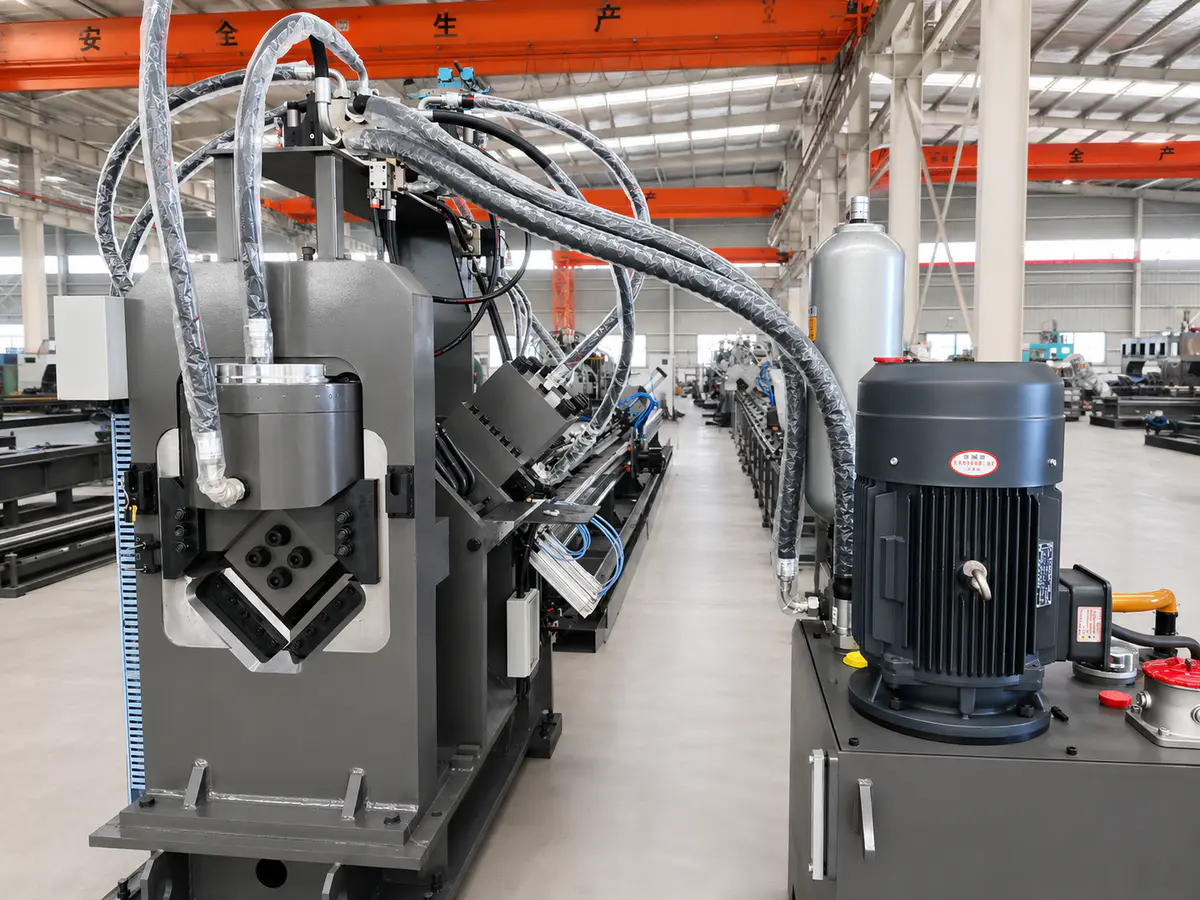
We manufacture CNC channel steel punching lines for steel structure fabrication and industrial projects, focusing on stable hole positioning, consistent accuracy, and continuous production.
Designed for factories processing channel steel in batches — where reliability, repeatability, and ease of operation matter more than theoretical speed.
Why This Line Is Used in Real Factories
-
Stable positioning for channel steel punching
-
Efficient changeover for different channel sizes
-
Suitable for continuous and project-based production
-
Reduced reliance on highly skilled operators
Fast response within 12-24 hours · Discuss project requirements, configuration & delivery
What You Need to Know About This Line
Jump to the section relevant to your channel steel processing needs.
Where This Line Is Used
Confirm whether this line matches the channel steel you process today.

Structural Steel Fabrication
Punching channel steel for industrial buildings, transmission structures, bridges, and supporting frameworks.

Equipment & Frame Manufacturing
Processing channel steel for equipment bases, machinery frames, and standardized industrial structures.

Construction & Engineering
Large-quantity channel steel processing for infrastructure projects with defined timelines and drawings.

Multiple Channel Sizes
Batch processing of different channel heights, thicknesses, and section sizes in one production environment.

Batch & Continuous Production
Stable operation for daily continuous production and project-oriented manufacturing over extended periods.
This production line is intended for real factory use, not single-piece or occasional channel steel processing.
If your workshop processes channel steel in batches on a regular basis, this line is designed for you.
7 Common Challenges in Channel Steel Punching
When channel steel punching becomes part of daily production — not occasional work — certain issues tend to surface on the shop floor.

Challenge 1 of 7
Positioning accuracy in batch feeding


Engineering Design Behind Our Channel Steel Punching Lines
Rather than focusing on isolated machine functions, our design work starts from how channel steel is actually processed, changed, and maintained on the shop floor.

Channel Positioning & Feeding Logic
Variations in straightness, length, and surface condition affect how reliably channel steel can be positioned during punching. Positioning and feeding are treated as controlled processes in the design stage.
Goal: keep hole locations repeatable throughout the punching cycle, without relying on operator adjustments.
Structural Design for Production Stability
Stability is not about how rigid a machine looks, but how predictably it behaves during extended production. Structural design decisions directly influence punching consistency and vibration control.
Critical for maintaining quality when the line runs continuously for long periods.


Modular Design for Size Changeovers
In most workshops, multiple channel sizes are processed on the same line. Frequent changeovers are part of normal production, not special cases.
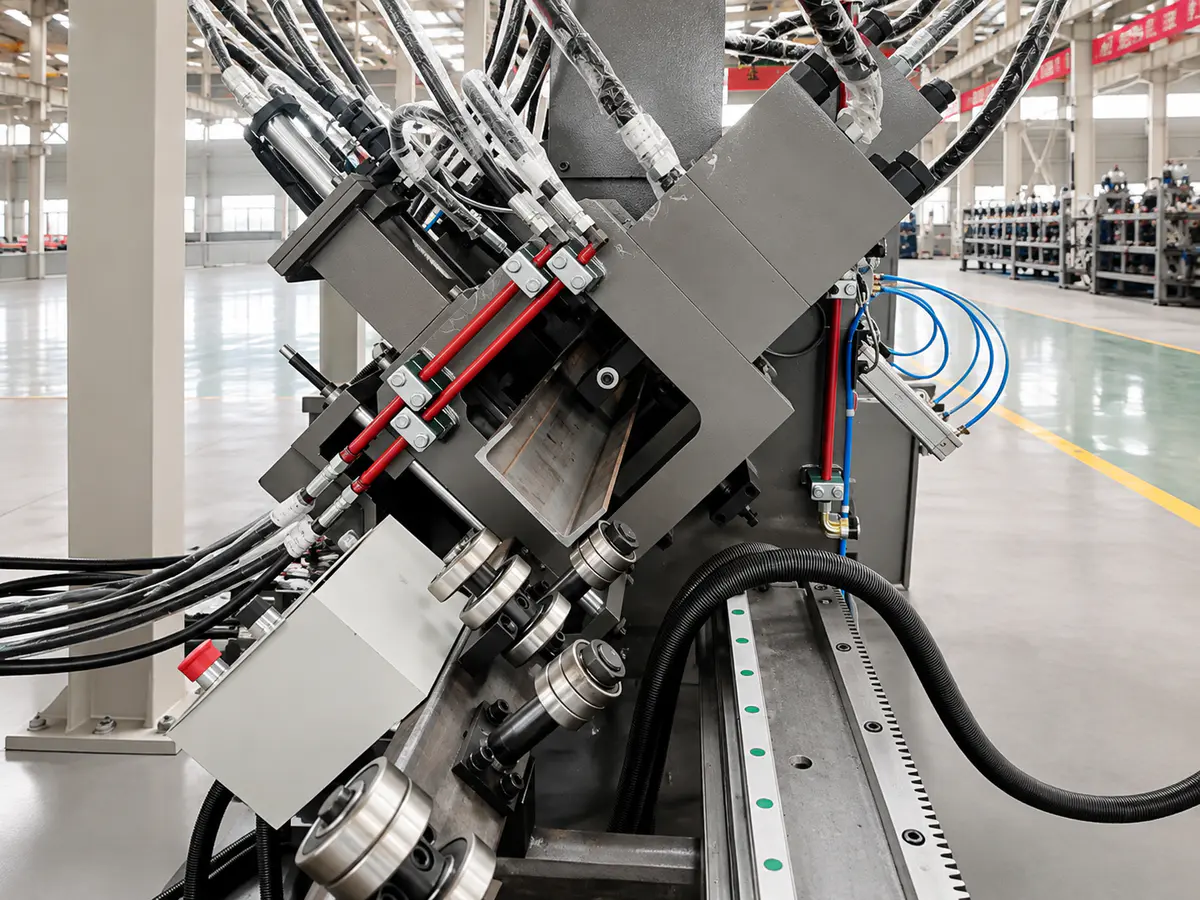
Tooling and shearing units can be adjusted or replaced in a controlled and predictable way.
Control Logic & Operation Flow
As output increases, relying solely on operator experience becomes less reliable. Control logic and operation flow are designed to simplify daily operation and reduce variation between shifts.
Maintains consistent output, even when experienced operators are not always available.


Maintenance & Long-Term Operation
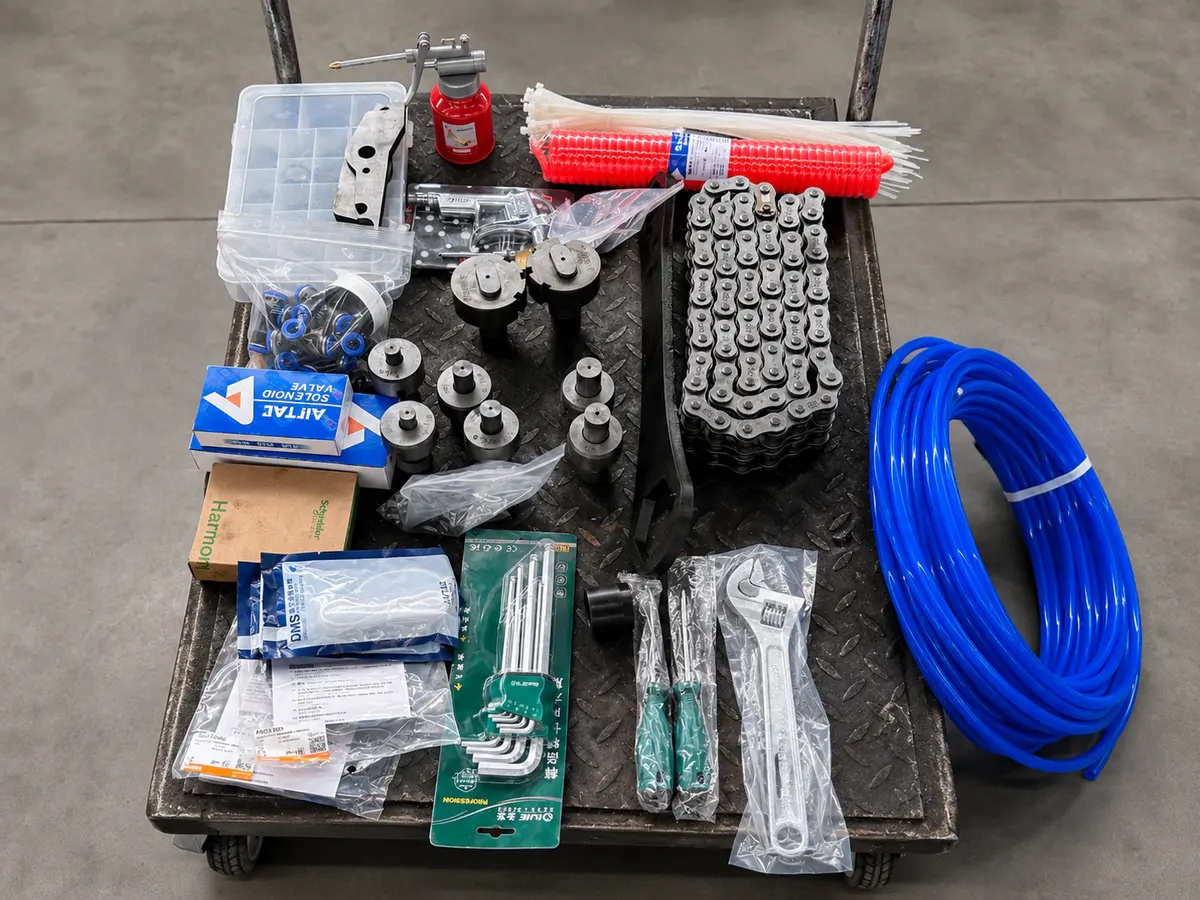
A punching line faces different demands during long-term use than during initial commissioning. Maintenance access, inspection routines, and adjustment work are considered during the design stage.
These engineering considerations shape how a channel steel punching line performs during daily production, not just during acceptance tests.
They also form the basis for defining typical line configurations in real projects.
Typical Channel Steel Punching Line Configurations
The following configurations represent typical channel steel punching lines commonly adopted in real projects. They are reference solutions, not fixed models, and are adjusted based on material, output requirements, and production workflow.
Typical Line A — Standard Channel Steel Punching Line
This configuration is widely used in steel structure workshops processing channel steel as part of regular production. It covers the complete workflow from feeding and marking to punching and shearing, providing a stable and consistent setup for daily operation. It is often selected as a baseline solution when channel steel processing is a continuous part of workshop production rather than an occasional task.

Typical Line B — Multi-Size Channel Processing Line
Designed for workshops that handle multiple channel steel sizes within the same production schedule. This configuration places greater emphasis on controlled changeovers and flexible processing, allowing different channel sections to be processed without frequent line reconfiguration. It is commonly adopted in project-driven production environments where specifications vary from order to order.

Typical Line C — Integrated Punching & Shearing Line
This configuration integrates punching and shearing into a unified production flow. It is often used where production efficiency and workflow continuity are key concerns, especially when channel steel parts are produced in larger batches according to defined cutting lengths. The line is designed to support stable operation during longer production runs while maintaining consistent output quality.
These configurations are used as reference points during project discussions. Final line layouts are defined based on actual material specifications, production plans, and workshop conditions.
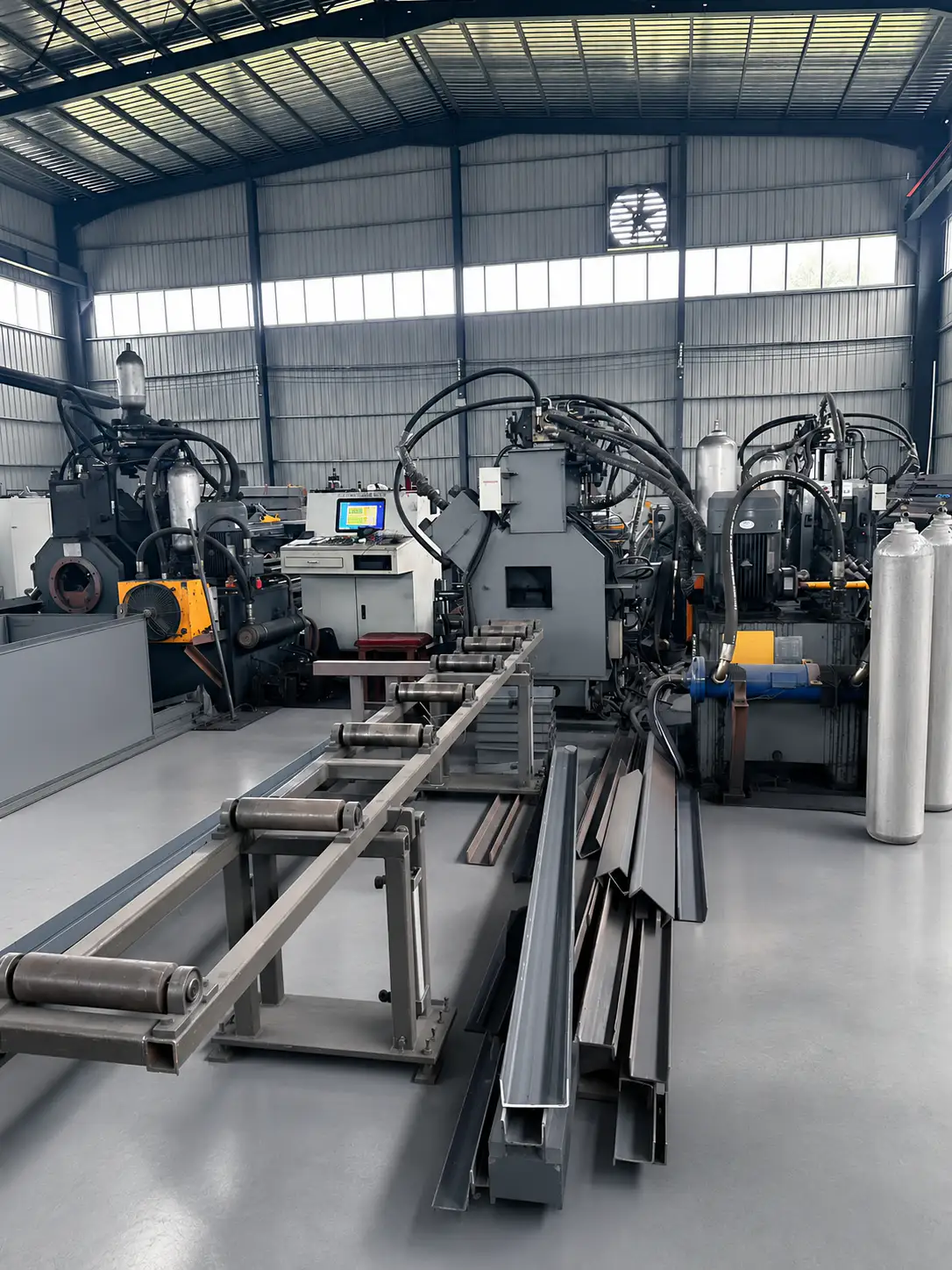
Line Configuration of a Channel Steel Punching Line
The channel steel punching line is arranged as a continuous production process. Each station performs a specific task to ensure that channel steel is processed in a controlled and repeatable manner from loading to stacking.

Material Loading
Station 1 of 7Channel steel sections are placed onto the loading area and prepared for processing. This step ensures that raw material enters the line in a stable and orderly condition, forming the starting point of the production process.

CNC Feeding
Station 2 of 7The channel steel is fed forward in a controlled manner according to the programmed processing sequence. Feeding accuracy at this stage determines the reference position for subsequent marking, punching, and shearing operations.

Marking
Station 3 of 7Identification marks or reference indicators are applied to the channel steel surface as required by drawings or production plans. This step supports downstream assembly, orientation, and quality verification during fabrication.

Punching
Station 4 of 7Holes are punched at predefined positions along the channel steel section. The punching operation is carried out according to the programmed pattern to ensure consistent hole location across batch production.

Shearing
Station 5 of 7After punching is completed, the channel steel is cut to the required length. Shearing defines the final part length and separates finished components from the continuous material flow.

Discharging
Station 6 of 7Processed channel steel sections are transferred out of the line after shearing. This step ensures a smooth transition from machining to handling or stacking without interrupting the production flow.

Stacking
Station 7 of 7Finished channel steel parts are collected and stacked in an orderly manner. Stacking prepares components for subsequent processes such as assembly, welding, or shipment.
Processing Capacity of the Channel Steel Punching Line
Processing capacity becomes meaningful only when a punching line is part of your daily production plan. What matters is not peak figures, but how the line supports your actual workload, shift after shift.
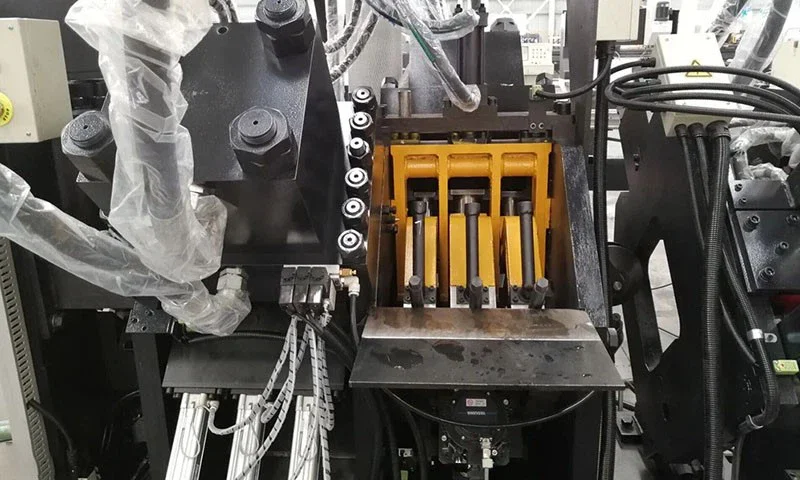
Punching Integrated into Your Production Flow
When punching, marking, and shearing are arranged as a single production flow, channel steel moves through the line without repeated stops and re-handling.
In daily operation, this means fewer interruptions between processes and a workflow that feels continuous rather than fragmented. You spend less time coordinating separate steps and more time focusing on output.
Production That Can Run Continuously
Once the line is part of regular production, short test runs no longer matter. What matters is how the line behaves over a full working shift or across several days of operation.
With a configuration designed for continuous use, you can plan production schedules with fewer unexpected slowdowns or restarts during normal working hours.
Capacity Matched to Your Actual Projects
Processing capacity is defined around your material, batch size, and production rhythm. Instead of working around a fixed, oversized machine concept, the line is configured based on how much channel steel you actually need to process.
You receive a line that fits your workload, rather than adjusting your production to fit the machine.
Maintaining Output When Specifications Change
In many workshops, capacity is lost not during steady production, but during specification changes. When channel sizes vary from project to project, predictable changeover becomes part of maintaining usable capacity.
With a modular punching and shearing setup, specification changes become a planned production step rather than a disruption to your schedule.
Consistent Output Without Heavy Operator Dependence
As production volume increases, relying on individual operator experience becomes risky. When operation steps are clearly defined, output remains more consistent across different shifts and personnel.
You are less dependent on a small number of highly experienced operators to maintain production stability.
How Capacity Is Measured in Practice
In daily factory use, processing capacity shows up as predictable output, manageable changeovers, and fewer production surprises. That is the level at which a channel steel punching line supports your business, not just your specifications.