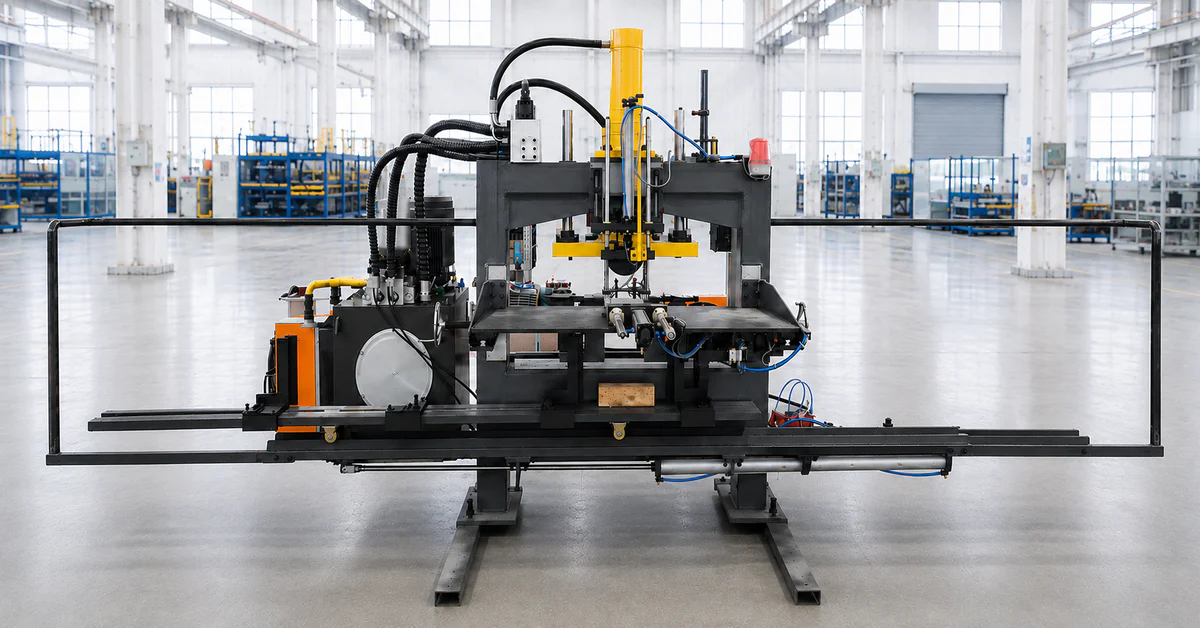
China Automatic Hoop Clamp Making Machine Factory
Automatic punching, cutting and forming solutions for your metal hoop clamp production.
Whether you produce pipe clamps, flat iron hoop clamps or custom metal fixing clamps, we configure the machine around your own drawings, material specifications and production requirements.
What You'll Find on This Page
Jump straight to what matters for your project, from clamp applications and machine configuration to sample testing, support, and getting your quote.
Clamp Applications
Pipe clamps, hoop clamps, and custom fixing clamps you can make.
Production Challenges
The manual bottlenecks and waste slowing your clamp output.
Design Approach
How we engineer the line around your own drawings.
Machine Configuration
Punching, cutting, and forming combined to fit your parts.
Production Workflow
Coil or strip in, finished clamps out, step by step.
Different Clamp Sizes
One line that handles your full range of widths and lengths.
Tooling & Molds
Dies and molds matched to each clamp shape you run.
Production Capacity
Output per shift you can plan your orders around.
Sample Testing
We trial your samples and send proof before shipment.
Why Choose Us
18+ years, 500+ machines, support in 50+ countries.
Project Cases
Real lines we've built and shipped for clamp makers.
Installation Support
Setup and commissioning so your line runs on arrival.
Operator Training
Hands-on training so your team runs it with confidence.
After-Sales Support
Spare parts and remote help whenever you need them.
FAQ
Lead time, payment, shipping, and warranty answered.
Request a Quote
Send your drawings, get a configuration within 24h →
Clamps You Can Produce on One Line
From standard pipe hoops to fully custom shapes, the machine is set up to make the exact clamps your customers order, all from your own drawings.
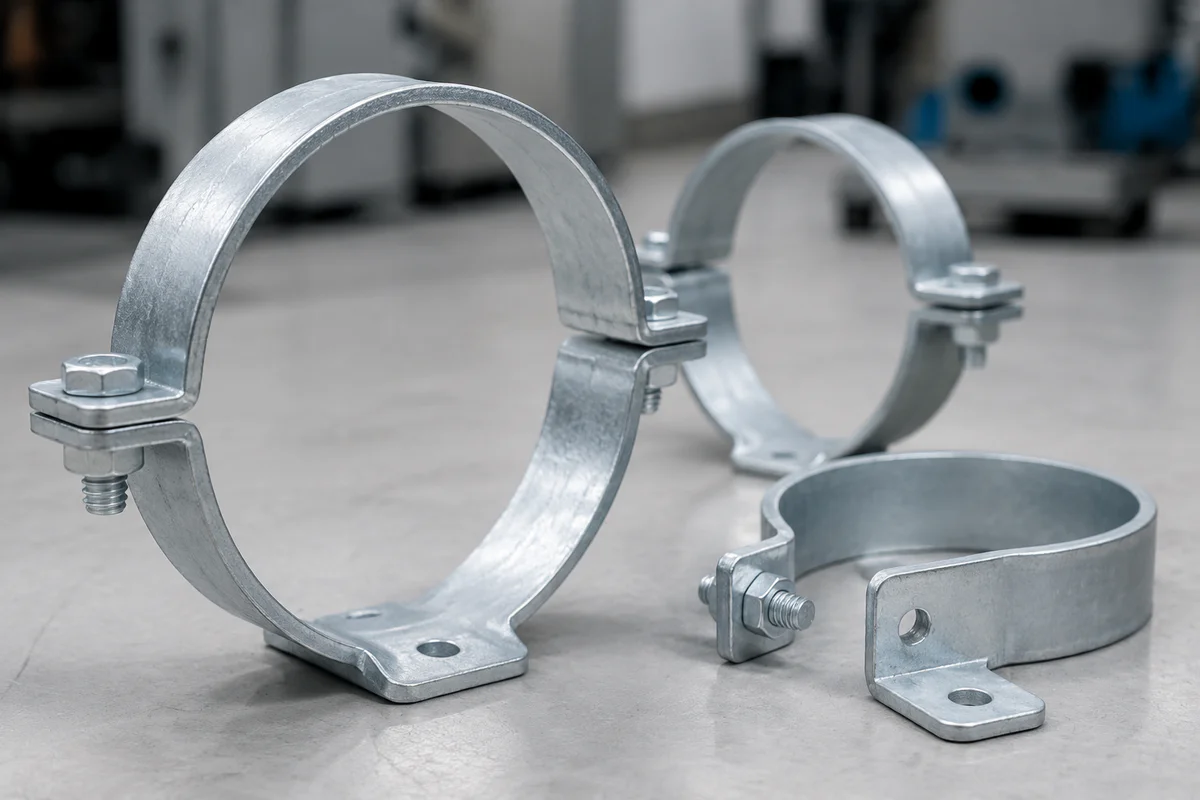
Pipe Hoop Clamps
Metal clamps used to support and fasten pipework across your installations.
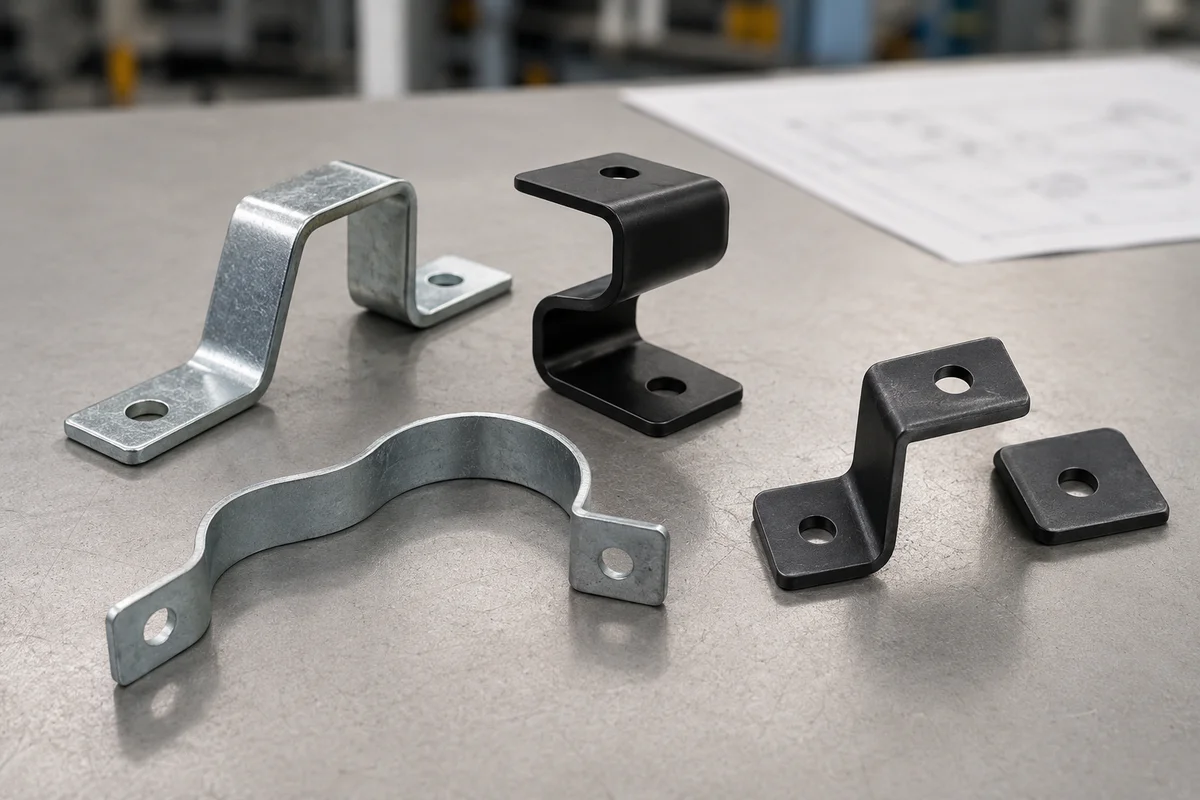
Flat Iron Hoop Clamps
Formed flat steel clamps produced directly from your strip material.
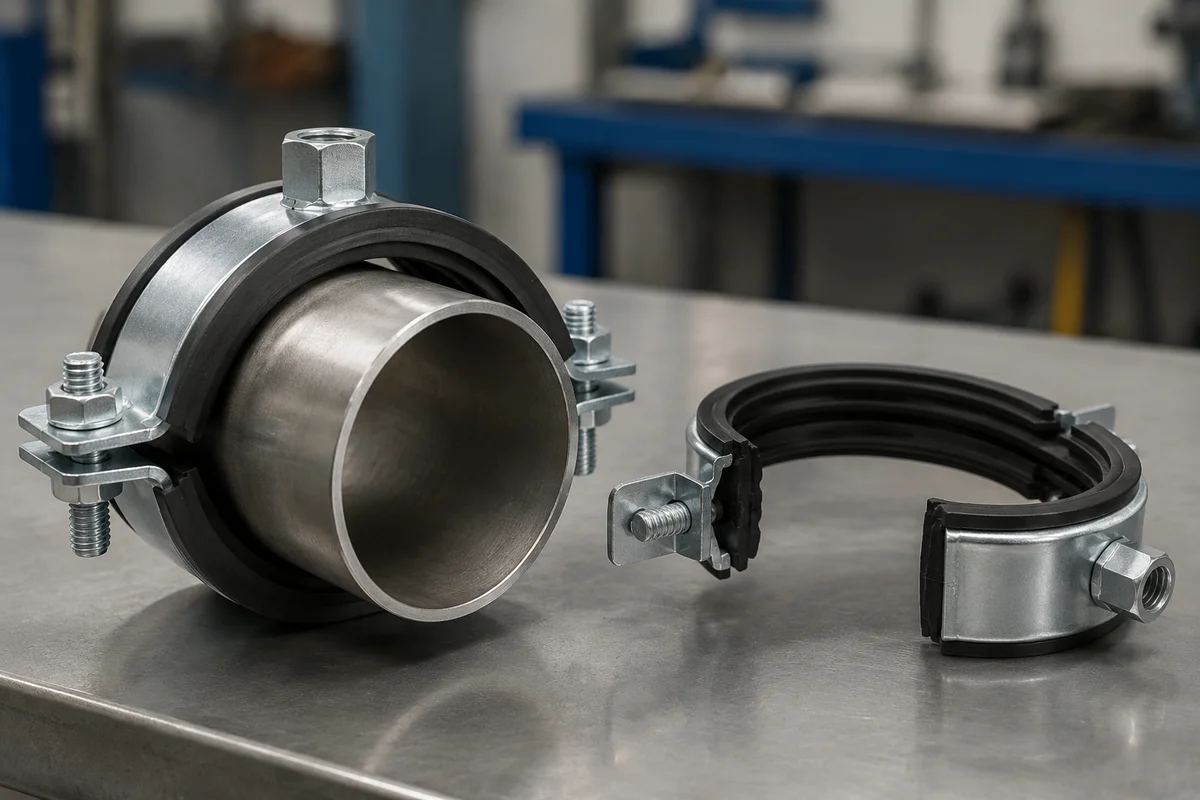
Pipe Fixing Clamps
Clamps designed to position and hold pipes securely during installation.
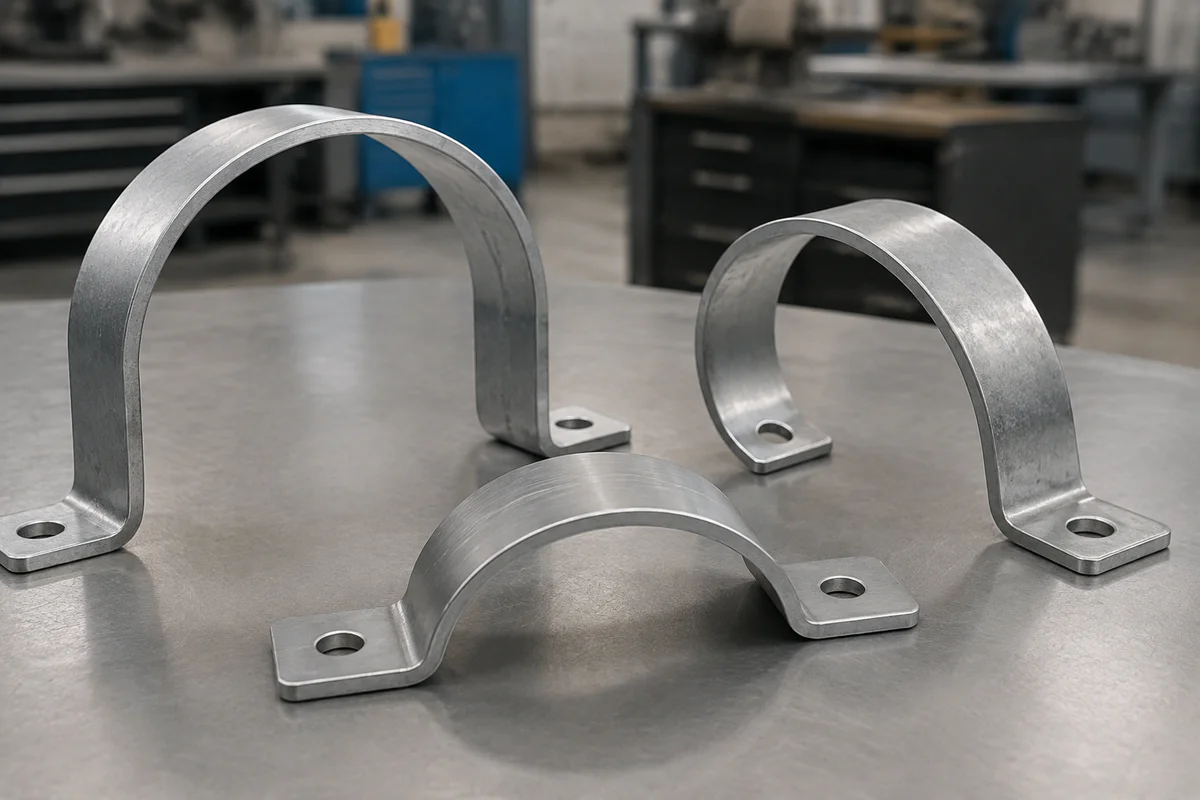
Mounting Clamps
Components for the support and attachment structures your projects rely on.
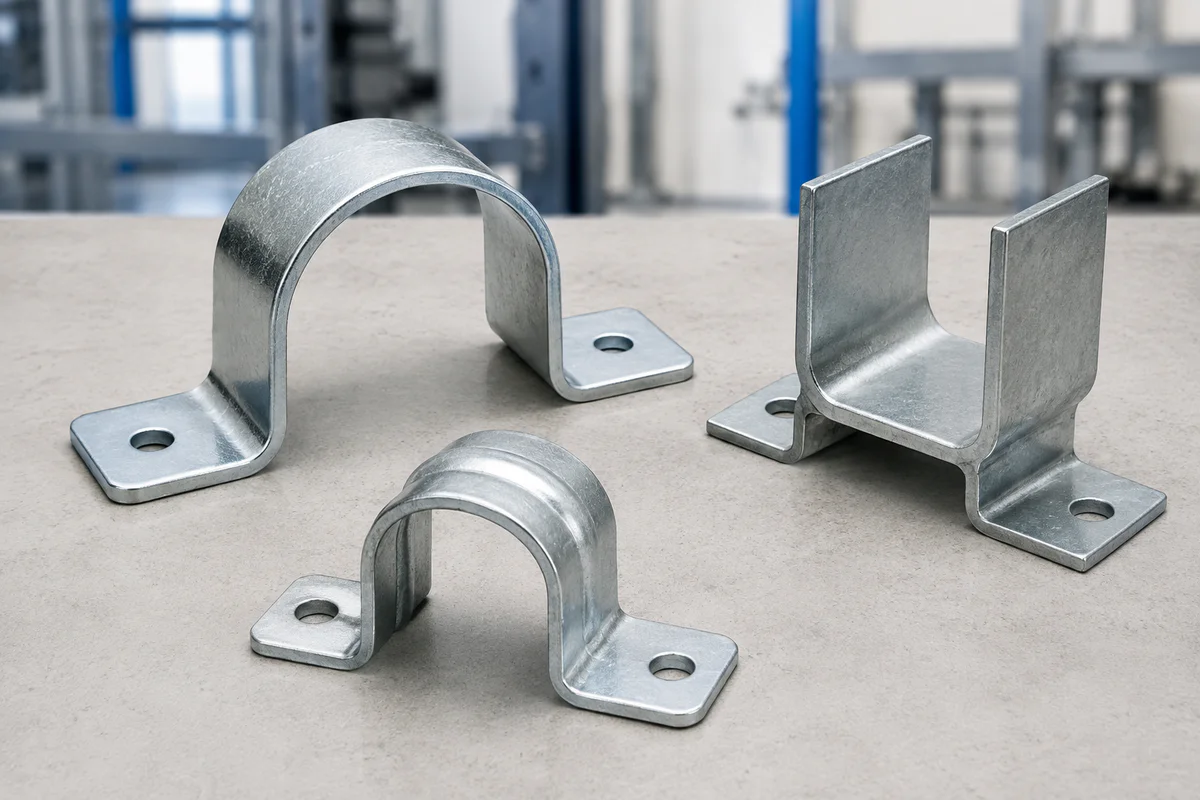
U-Shaped Clamps
Formed clamps that need precise punching and bending in one pass.
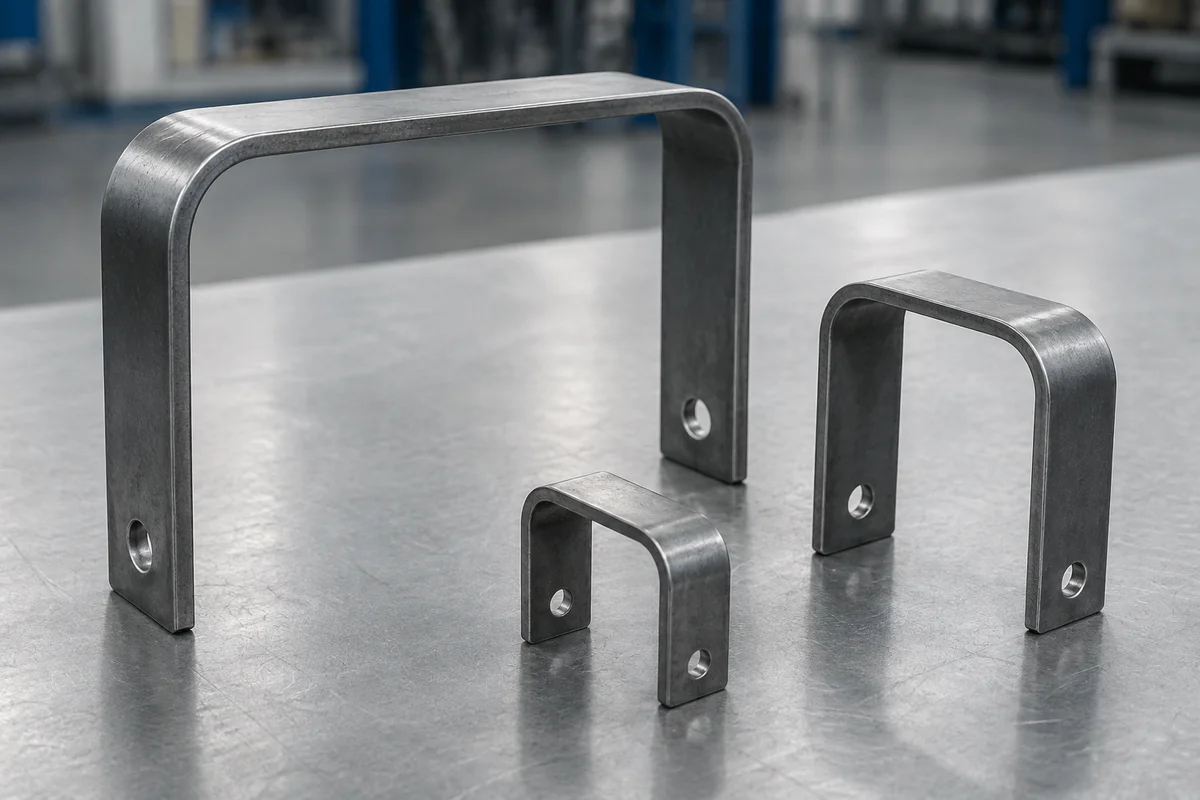
Custom Clamp Products
Clamps built to your own drawings and specifications, whatever the shape.
Every Clamp Starts With a Drawing
Your clamps may need different hole layouts, forming shapes, bending angles and material specs, and no two designs run exactly the same.
That's why we review the configuration around your actual clamp design and production requirements before anything is built.
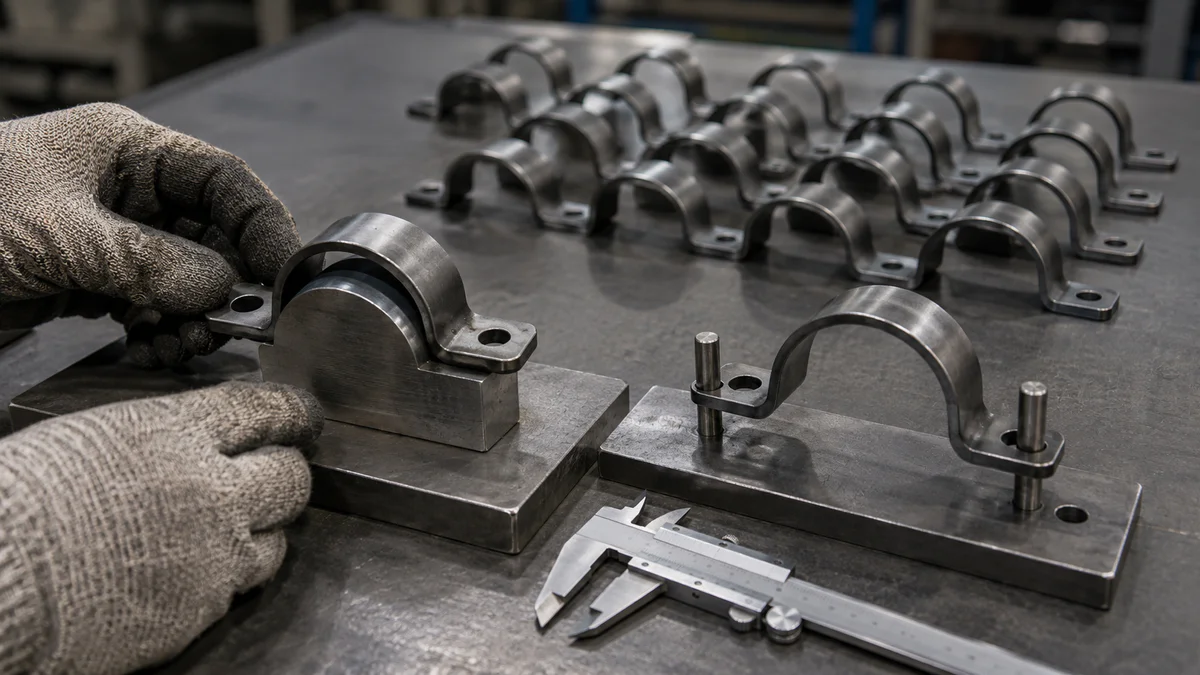
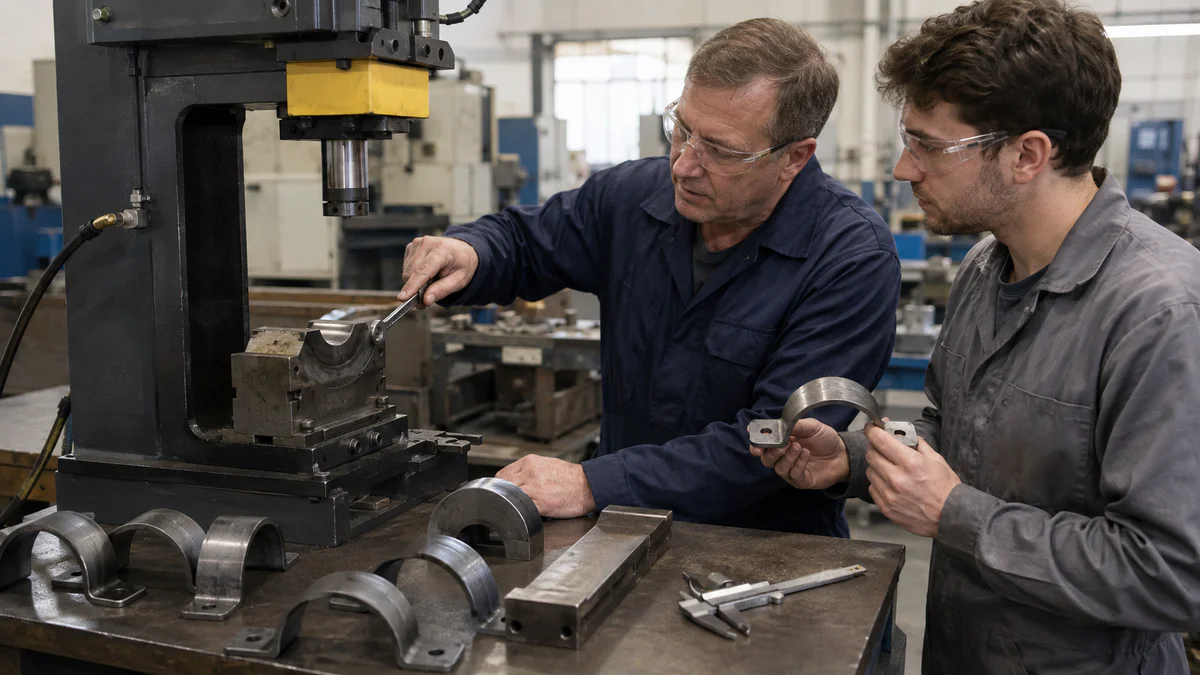
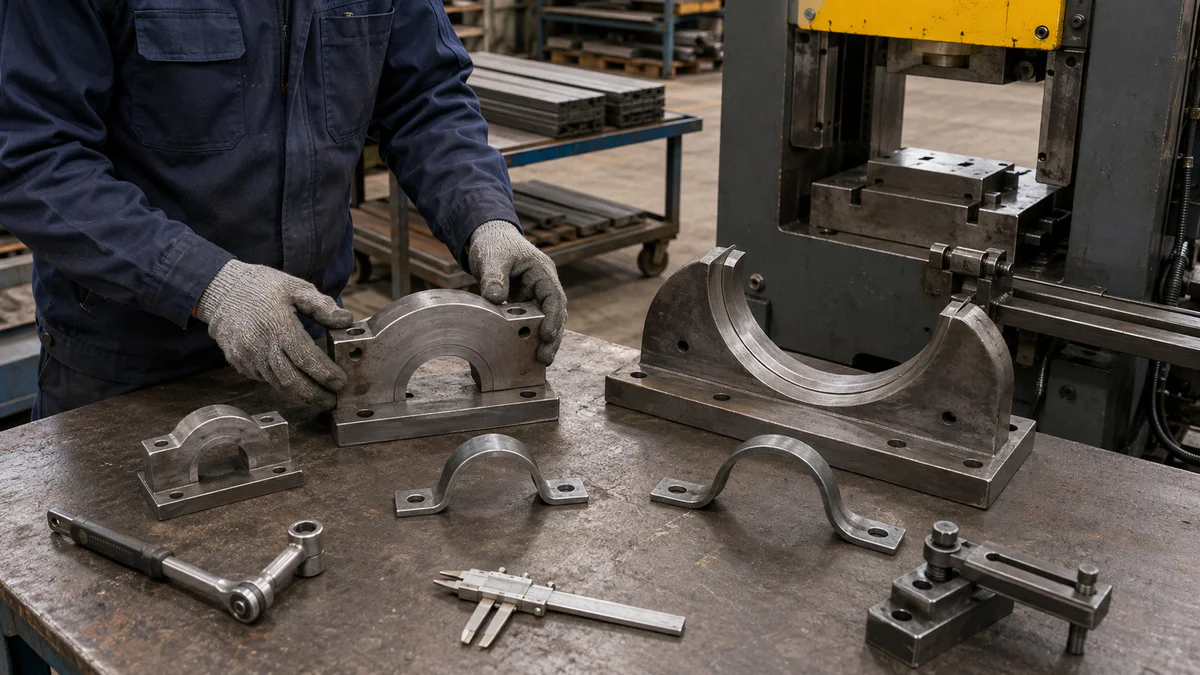
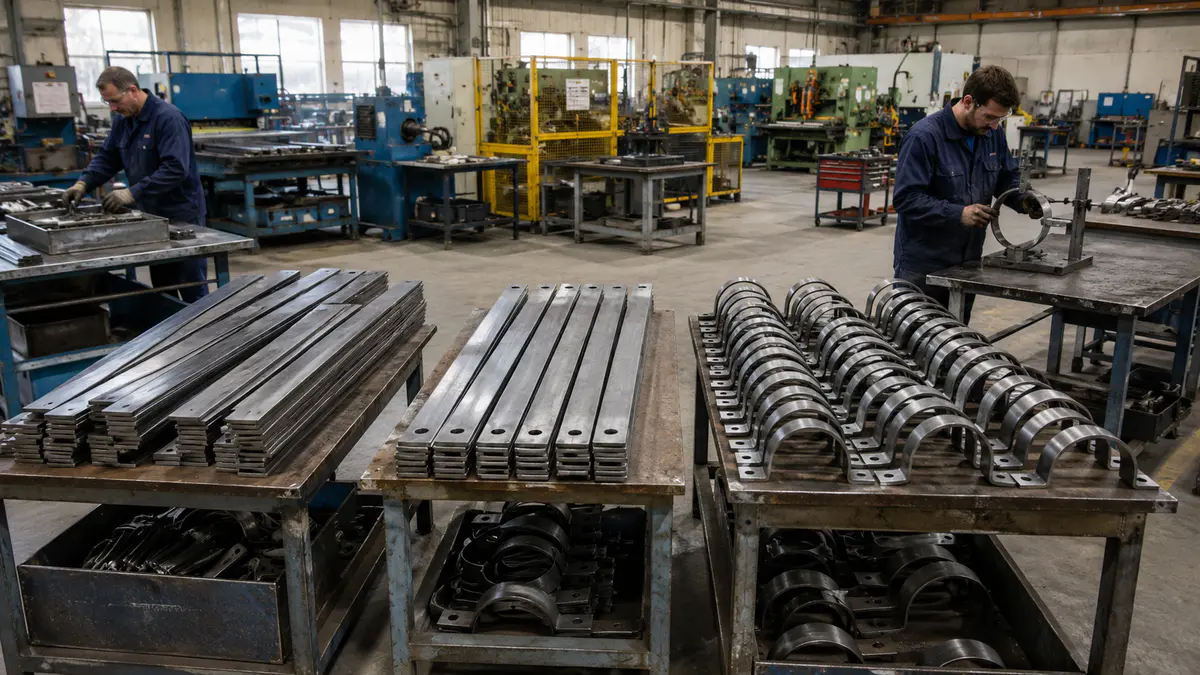
Why Clamp Output Gets Harder to Scale
Making hoop clamps looks simple, but holding quality and steady output gets tougher as your volume grows. The pressure shows up across the whole process, not just at punching or forming.
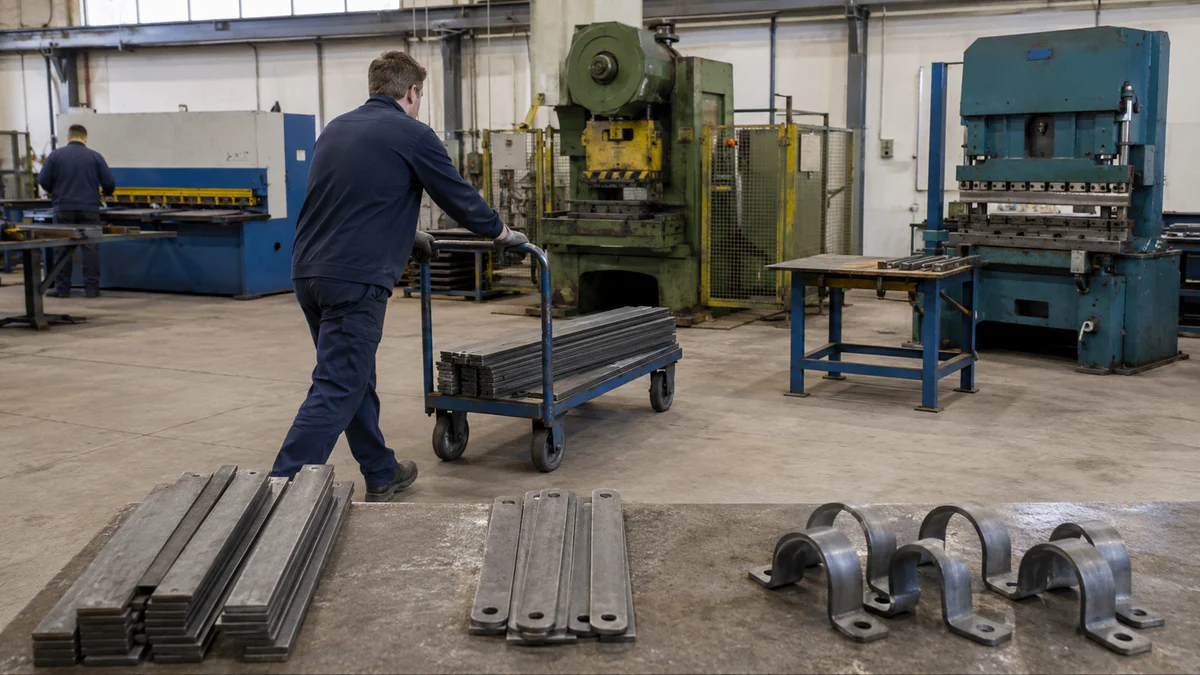
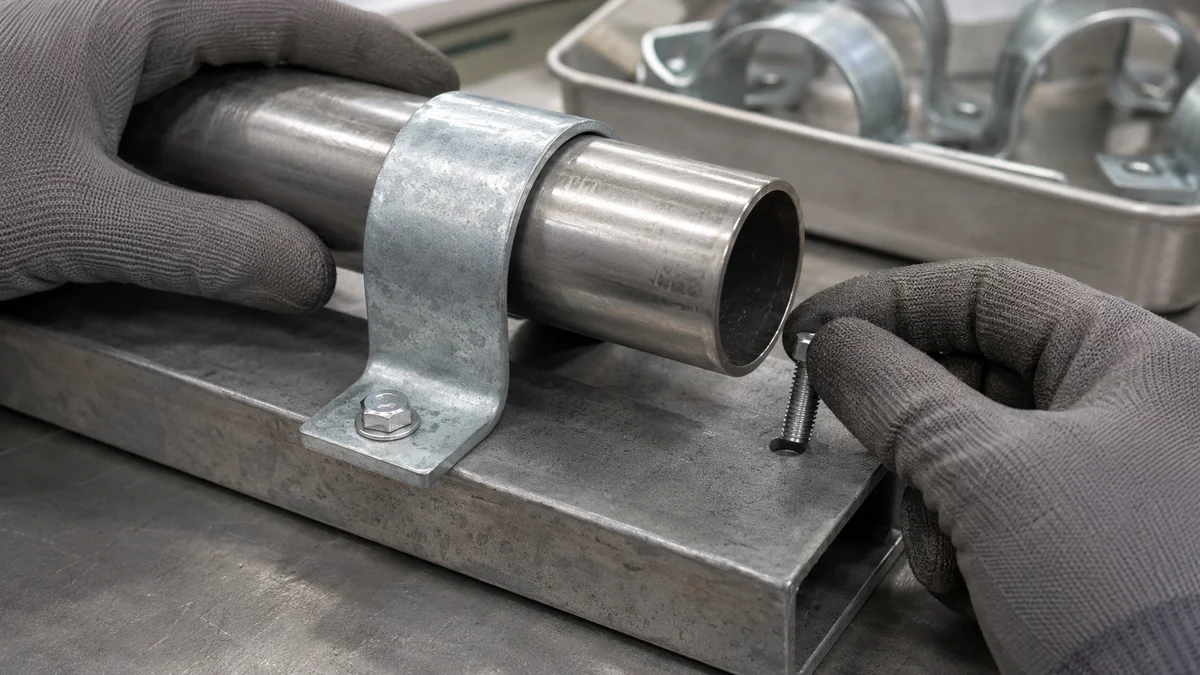
Stop Letting Handling Decide Your Output
When punching, cutting and forming run as one automated line, your output stops depending on how fast parts move between stations or which operator is on shift.
Tell us your clamp design and target volume, and we'll show you how the line is built to hold consistency from the first part to the last.
How the Machine Is Designed
No two hoop clamps run the same way. Material size, hole positions, forming dimensions and your volume all shape how the machine is built, so design starts from your clamp, not a fixed model.
Designed Around the Clamp
It starts from your drawing or sample. Strip width, thickness, hole position and finished shape drive the processing layout, not a standard setup.
Designed Around the Process
Some clamps punch before forming, others need extra holes or cuts. The flow is arranged for your product instead of forcing one fixed workflow.
Designed Around Tooling
Punching dies, cutting tools, locating fixtures and forming molds are matched to your clamp, so production stays repeatable across batches.
Designed for Stability
Feeding, positioning, punching and forming are set up for continuous runs, so you get the same clamp again and again, not just once.
Designed for Future Range
New sizes, new customers or different materials often come later. We factor your expansion plans in so the line can grow with you.
From Design to Configuration
Once design, process and tooling are reviewed, the final configuration is locked to your real manufacturing flow. The machine units come next.
Send Your Drawing, Get the Right Configuration
Because the machine is designed from your clamp rather than a fixed model, the fastest way to a real answer is to share your drawing, sample or target output.
We'll review your design, process and tooling needs, then come back with a configuration matched to how you actually produce.
Typical Machine Configuration
Your final setup depends on clamp design, material and volume. Most automatic hoop clamp lines follow the same core production sequence, tap each step to see how it works.
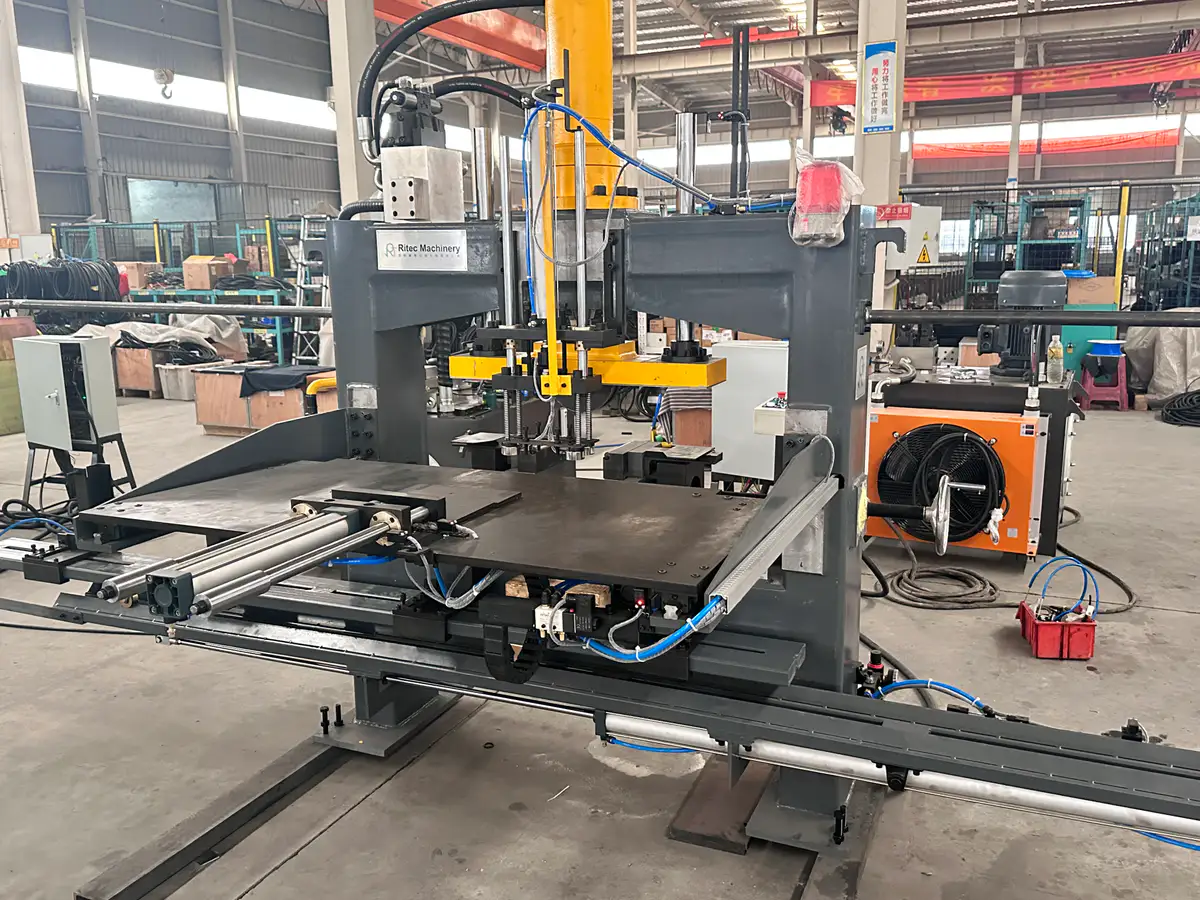
Material Loading
Production starts with your raw material supply. Depending on the format and your volume, material is prepared for continuous feeding into the line.
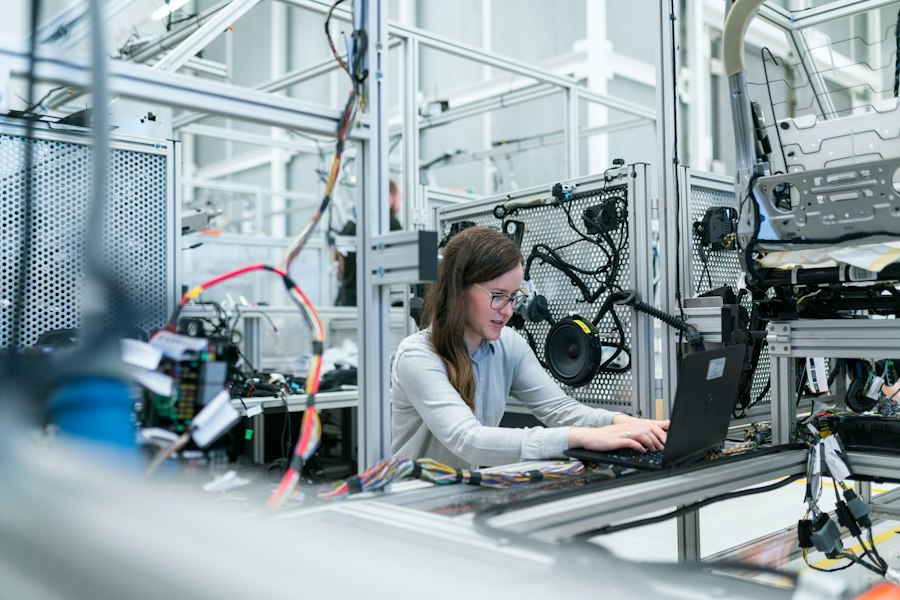
Straightening Section
Before processing, material straightness is checked and adjusted for stable feeding, preparing it for clean punching, cutting and forming downstream.
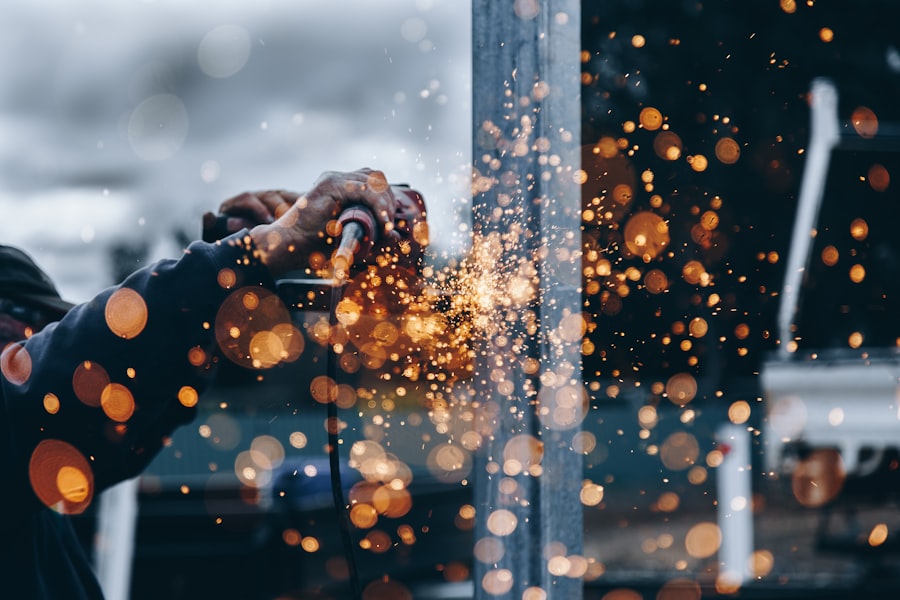
Feeding System
The feeding system controls material movement through the line. Feed length and positioning are coordinated to your clamp dimensions and hole locations.
Punching Unit
The punching unit makes holes, slots and other features to your clamp design. Tooling is set up around hole quantity, diameter and your product needs.

Cutting Unit
Once punching is done, material is cut to your required clamp dimensions. The cutting arrangement is matched to your material size and output.
Forming Unit
The forming unit creates your final clamp shape. Forming tools are configured to your clamp diameter, bending radius and finished geometry.

Finished Clamp Output
After forming, finished clamps move to the output area for collection, inspection or packaging, arranged to suit your volume and workflow.
Configured for your product. Every clamp is different, so material specs, hole locations, forming dimensions and quantities all shape the final setup. Recommendations are based on your actual drawings, not a standard machine arrangement.
One Line for Your Range of Sizes
You rarely make just one clamp. Different diameters, widths, hole positions and materials show up across your orders, so flexibility is reviewed during machine and tooling design from the start.
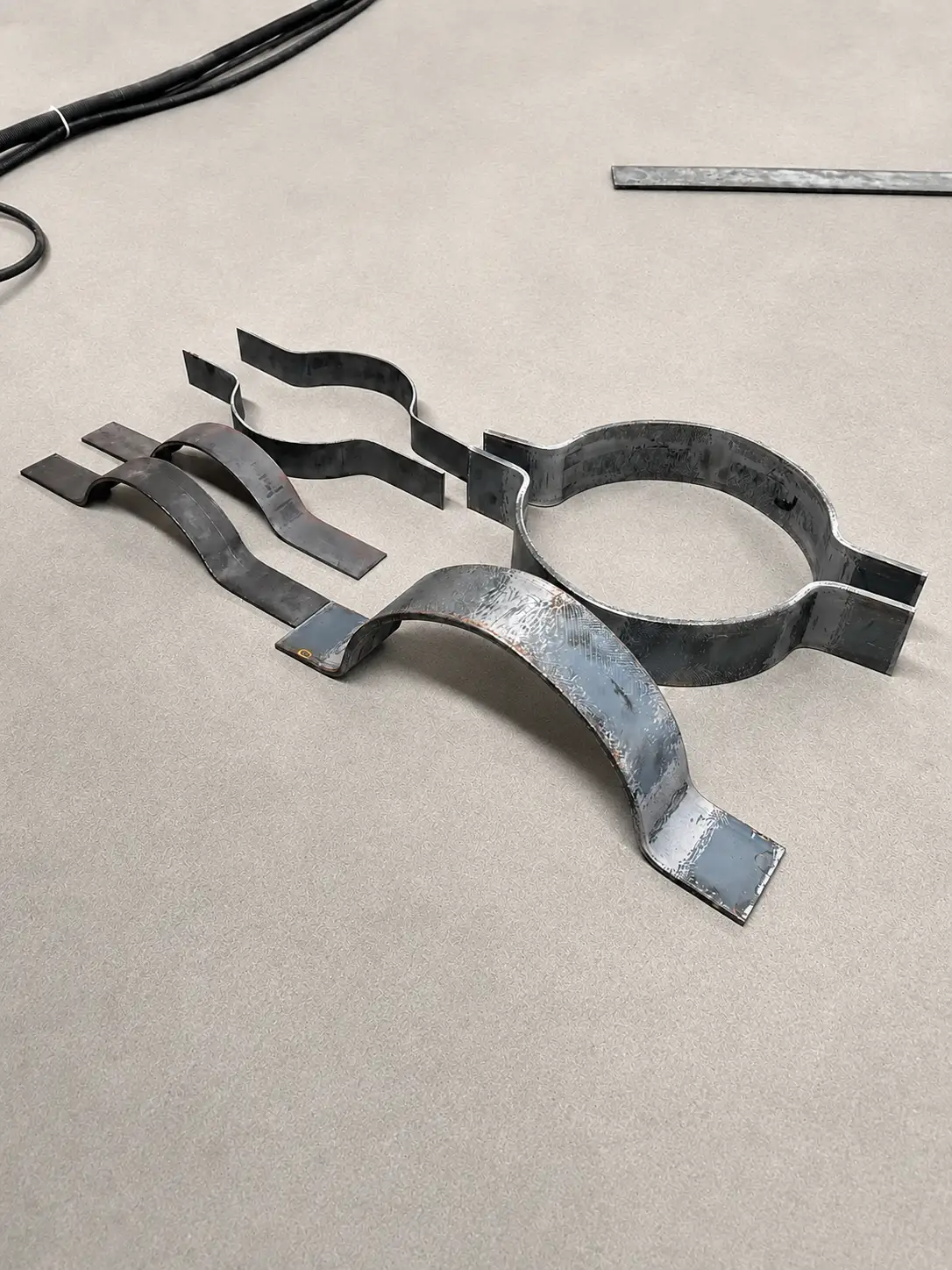
Similar Sizes Share One Platform
When your products sit in the same family and stay within a similar material and forming range, different sizes can often run on the same machine with the right adjustments.
Tooling Depends on the Difference
Not every size change is equal. Some run with simple parameter and tooling changes, while bigger shifts in shape, material or forming may need extra tooling. We evaluate this during project review.
Room for Future Products
Your range tends to grow. New sizes or new customer requirements often come after install, so we can review your future plans now to help the line support later expansion.
The Drawing Decides the Solution
Diameter is only part of it. Width, thickness, hole layout, bending radius and finished dimensions all matter, which is why your drawings or sample parts are the most reliable basis for review.
Not Sure if One Machine Covers Your Sizes?
Send us the clamp sizes you run today and the ones you plan to add. We'll tell you which can share one platform and where extra tooling is needed.
You get a clear answer based on your actual drawings, not a guess from a standard machine spec.
Tooling Decides Your Finished Quality
The machine alone doesn't set clamp quality. Your punching dies, cutting tools, forming molds and fixtures drive finished dimensions and repeatability, so tooling is reviewed alongside the machine configuration.
Punching Tooling
Your hole quality and position ride on the punching tooling. It's selected to your hole diameter, quantity and material, keeping holes consistent across large runs.

Cutting Tooling
Cutting tools are matched to your material width, thickness and finished size, giving clean, stable blanks that feed smoothly into the forming stage.
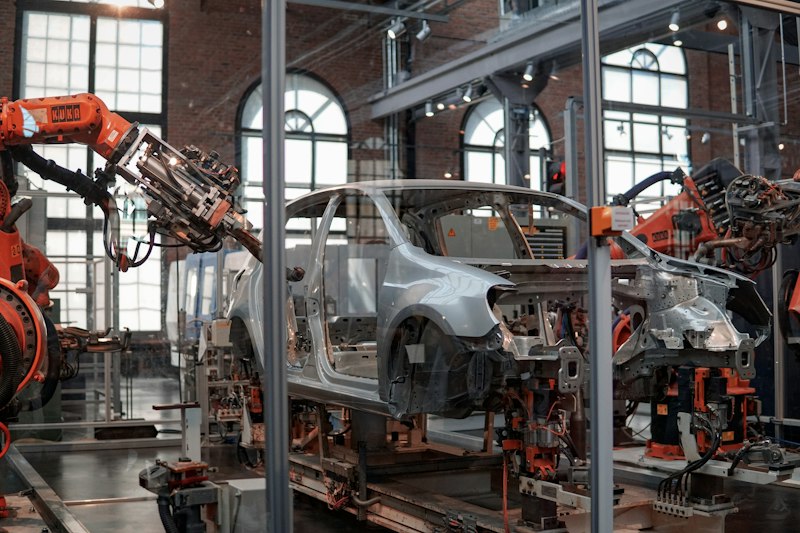
Forming Molds
Forming sets your final shape. Molds are designed to your clamp diameter, bending radius and geometry, not assumed from a standard shape.
Designed Around Your Drawing
Tooling starts from your clamp, not a catalog. Hole layout, material size, bending radius and finished geometry all shape what's needed.
Matched to Your Size Range
Producing several sizes? Tooling is reviewed to your product range. Some changes are simple adjustments, others need dedicated tooling.
Planned for the Long Run
Tooling isn't a one-time setup. Wear, maintenance and future products all factor into keeping your production stable over time.
Your Capacity Depends on the Product
Output is driven by far more than machine speed. Your material, clamp dimensions, hole count, forming needs and how you organize production all shape it, so capacity is evaluated against your real clamps, not one theoretical number.
| Production Factor | Influence on Your Capacity |
|---|---|
| Material thickness | Thicker material generally needs higher processing force and longer cycle times. |
| Clamp diameter | Larger clamp sizes may call for different forming arrangements. |
| Hole quantity | More holes mean more punching operations per part. |
| Hole size | Tooling requirements vary with your hole dimensions. |
| Forming complexity | Extra forming steps change the production rhythm. |
| Product changeovers | Frequent size changes affect how continuously you can run. |
| Material feeding method | How material is prepared affects your workflow efficiency. |
| Production organization | Your loading and collection procedures influence overall output. |
Suitable for Repeated Production
If you run the same clamp family in repeated batches for ongoing orders, the line is built for continuous processing while holding dimensions consistent across large quantities.
Stable output comes from feeding, punching, cutting and forming working together, not from any single process on its own.
We Test Your Sample Before Shipment
Every clamp is different, so your material, hole positions, dimensions and forming needs all shape the process. That's why we run sample testing before your machine ships, to prove it makes your part right.
 01
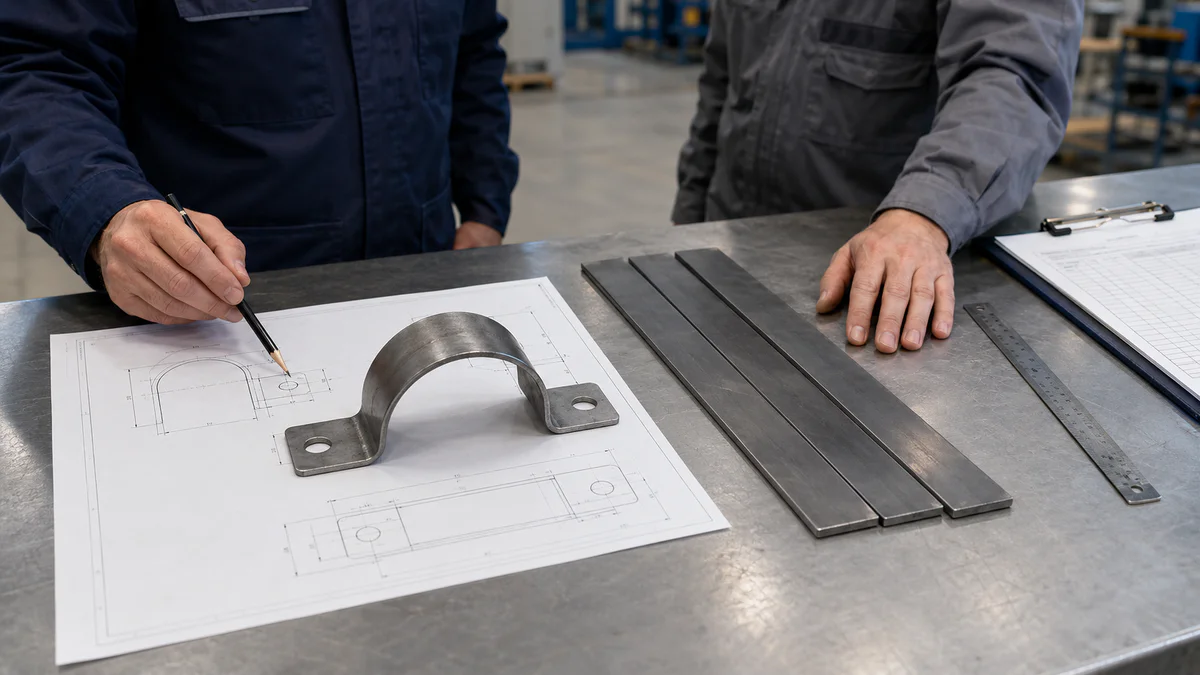
01Testing Starts With Your Product
It begins with your drawing, sample and material specs. The more complete your info, the more accurately testing reflects your real production.
 02
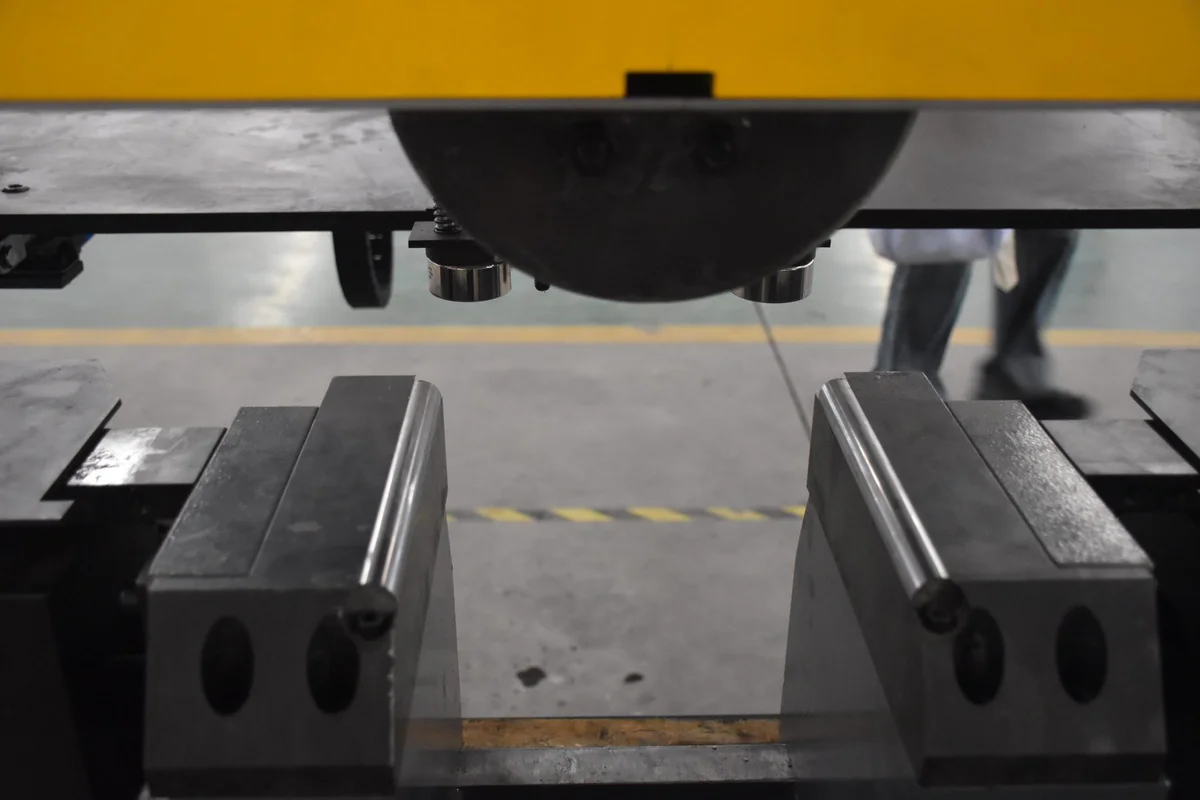
02Verifying the Production Process
We run the full sequence, feeding, punching, cutting, forming and output, to confirm the process follows your agreed requirements.
 03
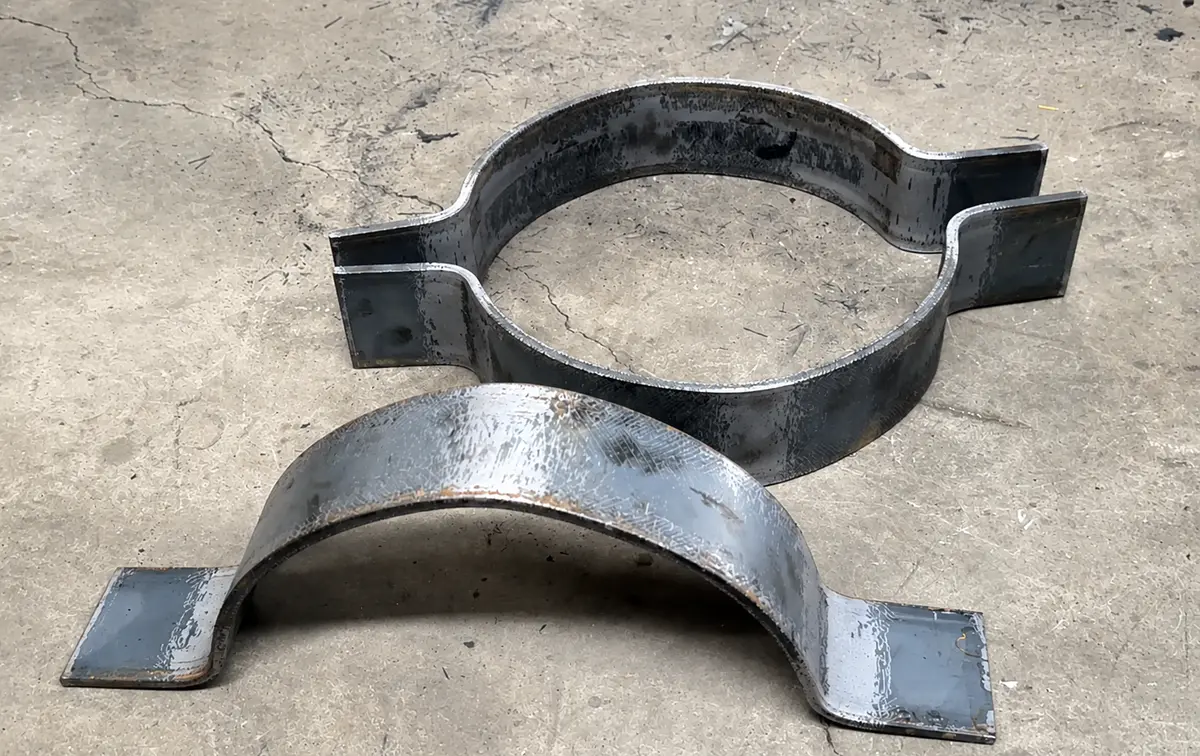
03Checking Your Finished Clamp
Beyond machine operation, finished dimensions, hole positions and forming results are reviewed against your clamp design.
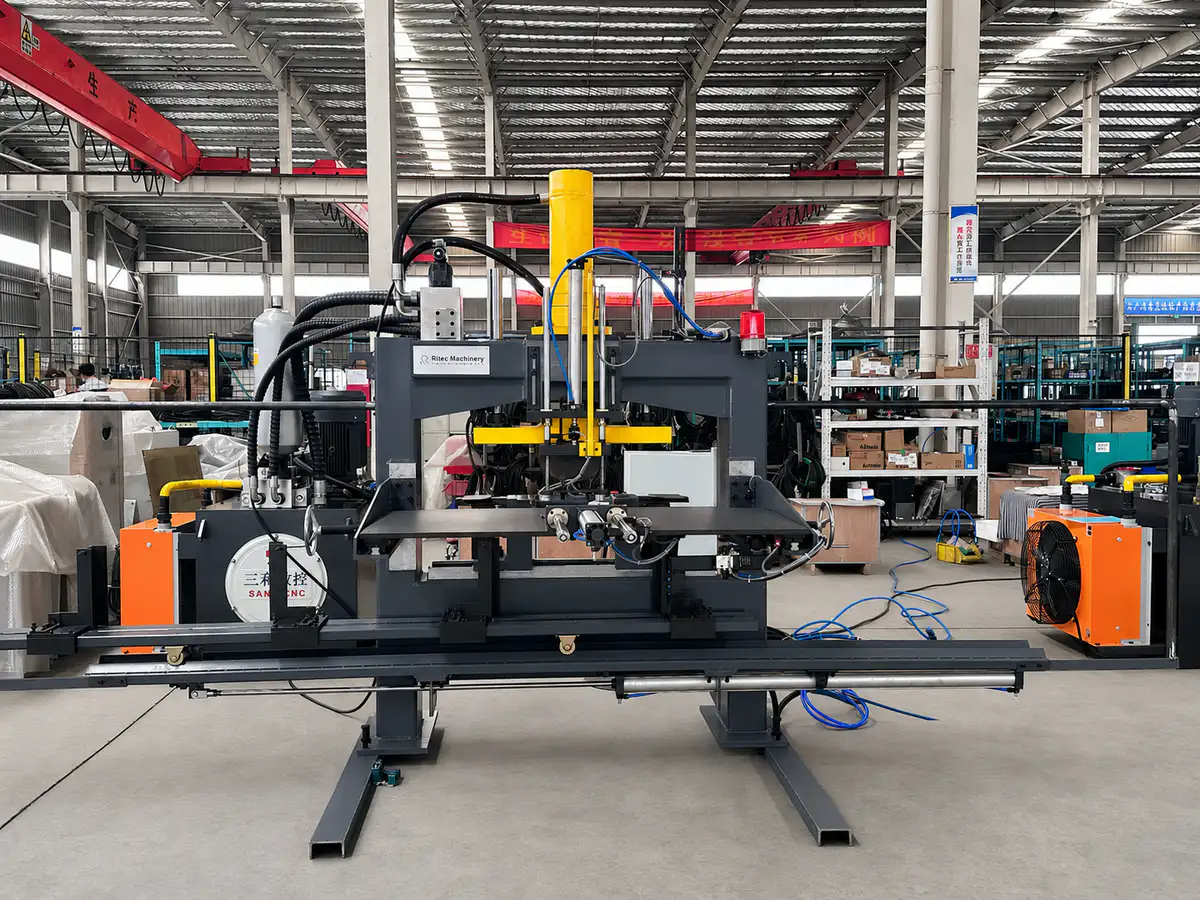 04
04Reviewing the Results Together
We share photos, videos and production records so you can review the process and raise any technical questions before it leaves the factory.
05Reducing Risk Before Delivery
Catching issues at the factory gives you confidence in the process and makes installation and commissioning far smoother once it arrives.
Want to See Your Clamp Tested First?
Send us your drawing or a sample part and we'll run it on the machine, then share photos, videos and production records so you can review the result.
You confirm the finished clamp meets your requirements before anything leaves the factory.
What You Should Check Before You Buy
Choosing a machine supplier is more than comparing specs. You need to know the machine matches your product, that technical talks are clear, and that support stays with you after production starts. Here's what's worth reviewing.
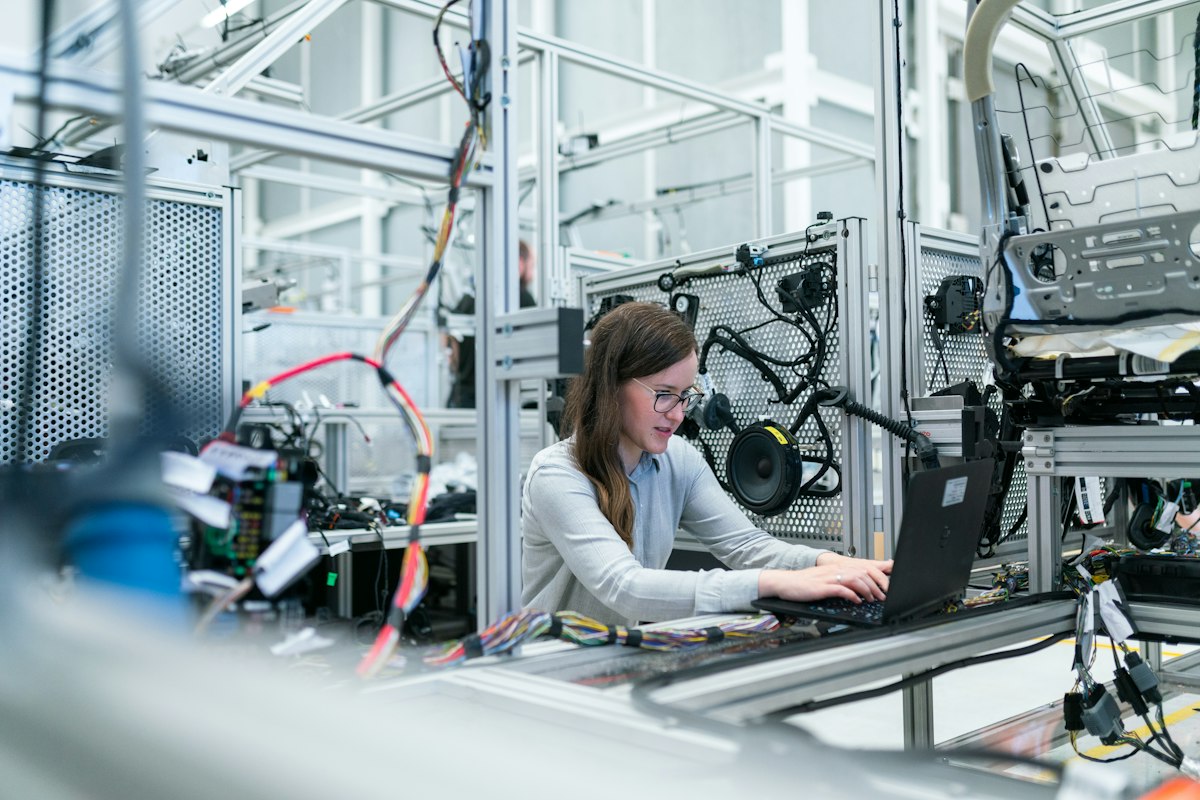
You Start With a Product, Not a Machine
Every clamp is different, so hole positions, diameter, thickness and forming all shape the setup. Instead of pushing a standard machine, we start from your drawing or sample, so the equipment fits your product, not the other way around.
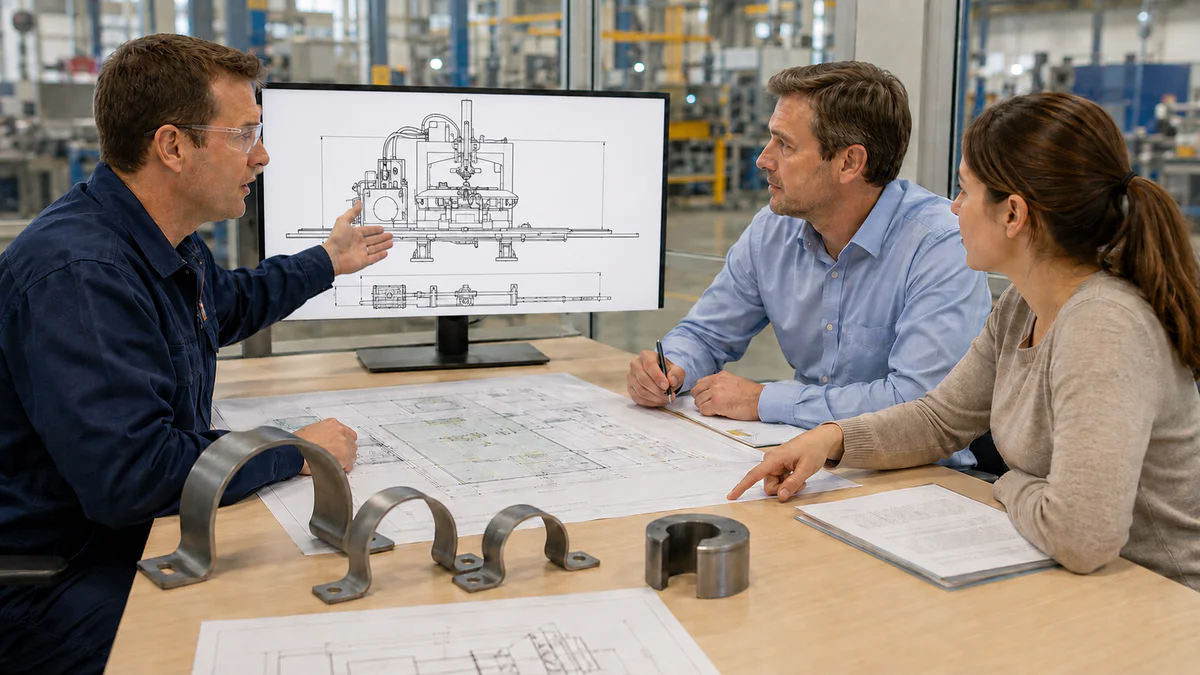
You Can Talk Technical Before You Decide
Your decision involves tooling, product range, future expansion and planning, not just a price. Talking it through before you order clears up the processing details and removes uncertainty, so the important questions are answered before production, not after the machine lands.
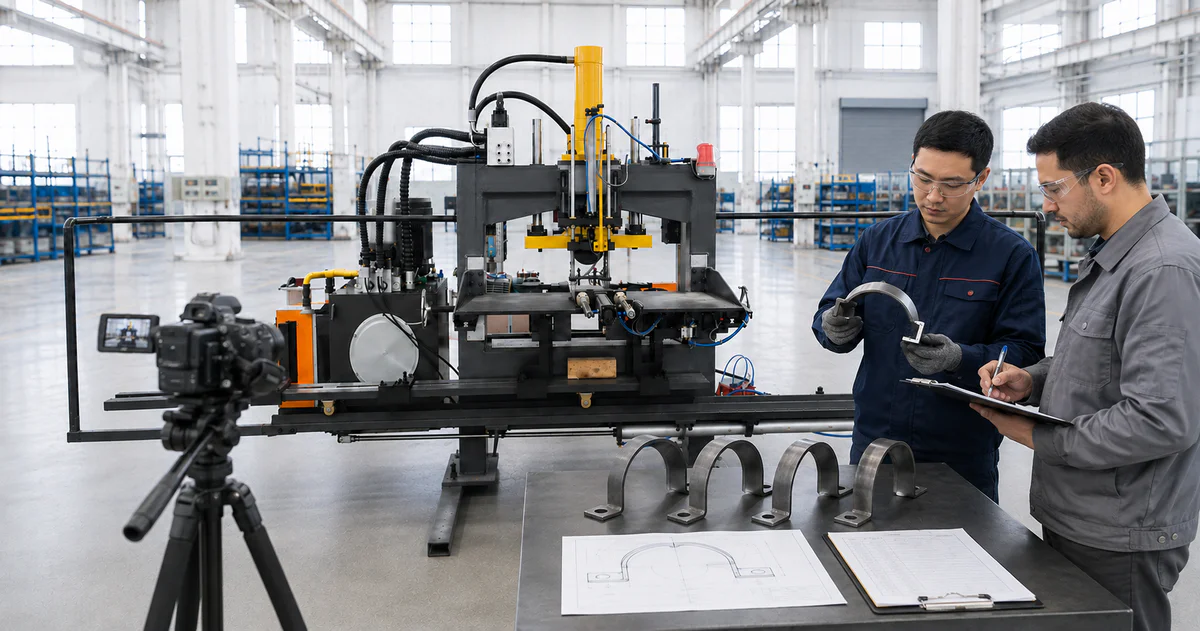
You Can Review Testing Before Shipment
Before your machine ships, testing lets you review the process and verify your product requirements. Photos, videos and results confirm the configuration follows what was agreed, so there's far less uncertainty before delivery.

You Need More Than Installation Support
Install is just one stage. Your team changes, new clamp sizes come in and requirements shift over time. Support should carry on well past commissioning to keep your production running for the long run.
You May Add Clamp Sizes Later
Most makers start with one range and expand into new sizes or customers later. We can discuss your future plans during evaluation so the configuration supports where you're heading, not just where you are today.
You Need a Supplier Who Knows Clamps
Making hoop clamps is more than feeding material through a machine. Hole position, tooling, forming, consistency and workflow all work together, and understanding how supports your configuration, testing and long-term performance.
Talk to Someone Who Knows Clamp Production
Skip the standard quote. Send your clamp drawing or sample and you'll get a technical discussion about tooling, your size range and future plans before any decision is made.
You deal directly with people who understand how hole layout, forming and workflow come together on a real clamp line.
Real Clamp Projects We've Delivered
Automatic hoop clamp production lines and the finished clamp products they make.



From Delivery to Production
Receiving the machine is just one step. Workshop prep, positioning, utility connections and commissioning all decide how fast you can start producing, so installation support is focused on getting you to production smoothly.
Before the Machine Arrives
Prep before delivery cuts installation time and avoids delays. Ahead of shipment, we share what you need to get your site ready.
Positioning & Installation
Once it lands, installation covers positioning, assembly and utility connections to your planned layout, set up for material flow, operator access and future maintenance.
Commissioning & Startup
Then comes commissioning. Machine functions, tooling, feeding and product processing are checked against your requirements, so the line is ready for regular production.
What to Prepare Before Arrival
Getting these ready early makes your installation far more efficient.
- Installation space
- Equipment layout
- Power requirements
- Air supply requirements
- Material flow planning
- Foundation preparation, if required
Support Options
The right level of support depends on your project and location, discussed case by case.
- Technical documentation
- Online guidance
- Video communication
- Commissioning assistance
- On-site support arrangements
Installation is part of production planning. A good install isn't just placing equipment in your workshop. It's preparing your production environment, completing commissioning and helping you start producing on schedule.
Training Built Around Daily Production
A machine only runs consistently when your operators understand both the equipment and the process. Training focuses on the tasks your team does every day, so production keeps moving after commissioning.
Worried Your Team Can Run It?
Tell us about your operators and the clamp sizes you produce, and we'll plan training around your real daily tasks, from process and changeovers to tooling checks and troubleshooting.
You get documentation and procedures your team can keep using, even as people change over time.
Support That Lasts the Machine's Life
Installing the machine is only the start of its working life. As you keep producing, new products, tooling wear, operator changes and maintenance all become part of daily operation, and support is here for all of it.
When Production Can't Stop
Your schedule is tied to customer orders and delivery dates, so when an issue hits, the priority is getting you running again fast. Photos, videos and production records help pin down the cause and speed up troubleshooting when you need help.
As Your Product Range Changes
Most makers expand after install. New clamp sizes, revised designs or new customer requirements may call for tooling or process adjustments, and technical discussions continue as your needs evolve.
Tooling & Wear Components
Punching tooling, cutting tools and forming molds are central to long-term output. As your volume grows, wear becomes part of normal maintenance, so support covers tooling recommendations, replacement guidance and maintenance planning to keep parts consistent.
Supporting Your Next Team
The people running the machine today may not be the same in a few years. New operators, supervisors and maintenance staff still need the technical info, so operating procedures, documentation and ongoing communication keep your production continuous through staff changes.
We Stay With You Long After Delivery
Long-term support isn't just about fixing the occasional issue. It's about keeping your machine producing as your products, your team and your requirements change over time.
Have a question about ongoing support, tooling or future expansion? Reach out and we'll talk it through.
Questions You Might Have
Answers on machine suitability, clamp sizes, tooling, capacity and what we need from you before discussing a configuration.
How do I know if the machine suits my clamp?
The most reliable way is to review your clamp drawing or sample. Diameter, strip width, thickness, hole positions, forming shape and your production needs all shape the configuration, so reviewing the product first tells us whether the machine matches your process.
Can one machine produce different clamp sizes?
Often yes. It depends on how different your products are. Similar clamp families usually run on the same platform, while bigger differences in size, material or forming may need extra tooling. Your drawings remain the best basis for evaluation.
Does every clamp size need a new mold?
Not necessarily. Some variations work with adjustments or tooling changes, while others may need dedicated forming or punching tooling. What's required depends on your product design, not diameter alone.
What info do you need before discussing a configuration?
Usually helpful: your clamp drawing or sample, material width and thickness, material type, hole size and locations, clamp diameter, and production quantity. The more complete your info, the more accurate the configuration review.
What determines production capacity?
Several factors: your material specs, clamp dimensions, hole quantity and size, forming complexity, how often you change products, and your production organization. That's why capacity is evaluated against your actual clamp, not one speed number.
Can future clamp products be considered in the configuration?
Yes. Many makers expand after install, so we can discuss your future product plans during evaluation and factor potential expansion into machine and tooling planning.
What can be verified during sample testing?
Sample testing checks material feeding, hole punching, cutting, forming results and finished clamp dimensions. The aim is to review the process and confirm the machine follows your agreed requirements before shipment.
Is tooling as important as the machine itself?
Yes. Punching tooling, cutting tools, locating fixtures and forming molds all affect your finished quality and consistency. Machine configuration and tooling design are reviewed together because both shape the result.
What if we introduce new clamp sizes later?
New products are reviewed against their drawings and requirements. Depending on how different they are from the original, we can discuss adjustments, additional tooling or production changes to support them.
Why is the clamp drawing so important?
The drawing holds everything needed to evaluate your process, dimensions, hole locations, material specs and forming requirements all shape configuration, tooling and planning. Without it, any recommendation would be a guess rather than based on your real product.
Henry
Clamp Machine Specialist · RITEC
Send me your clamp drawing or sample and I'll review your material, hole layout and forming needs personally, then come back with a configuration matched to how you produce.
No standard quote, no pressure, just a straight technical answer and realistic pricing, usually within 24 hours.
Request a Quote
Tell me about your clamp and I'll reply within 24 hours.