Angle Heel Arc Processing
Machine the heel arc on your angle members where the profile needs controlled, repeatable material removal.
Purpose-built for transmission tower, power fitting and steel structure workshops, this machine replaces slow planer work and heavy manual handling. You get stable clamping, continuous feeding and controlled heel depth adjustment on long angle steel members in real batch production.
Send us your angle size, thickness, material grade, milling length and required heel depth, and we will confirm the right machine configuration with you before quotation.
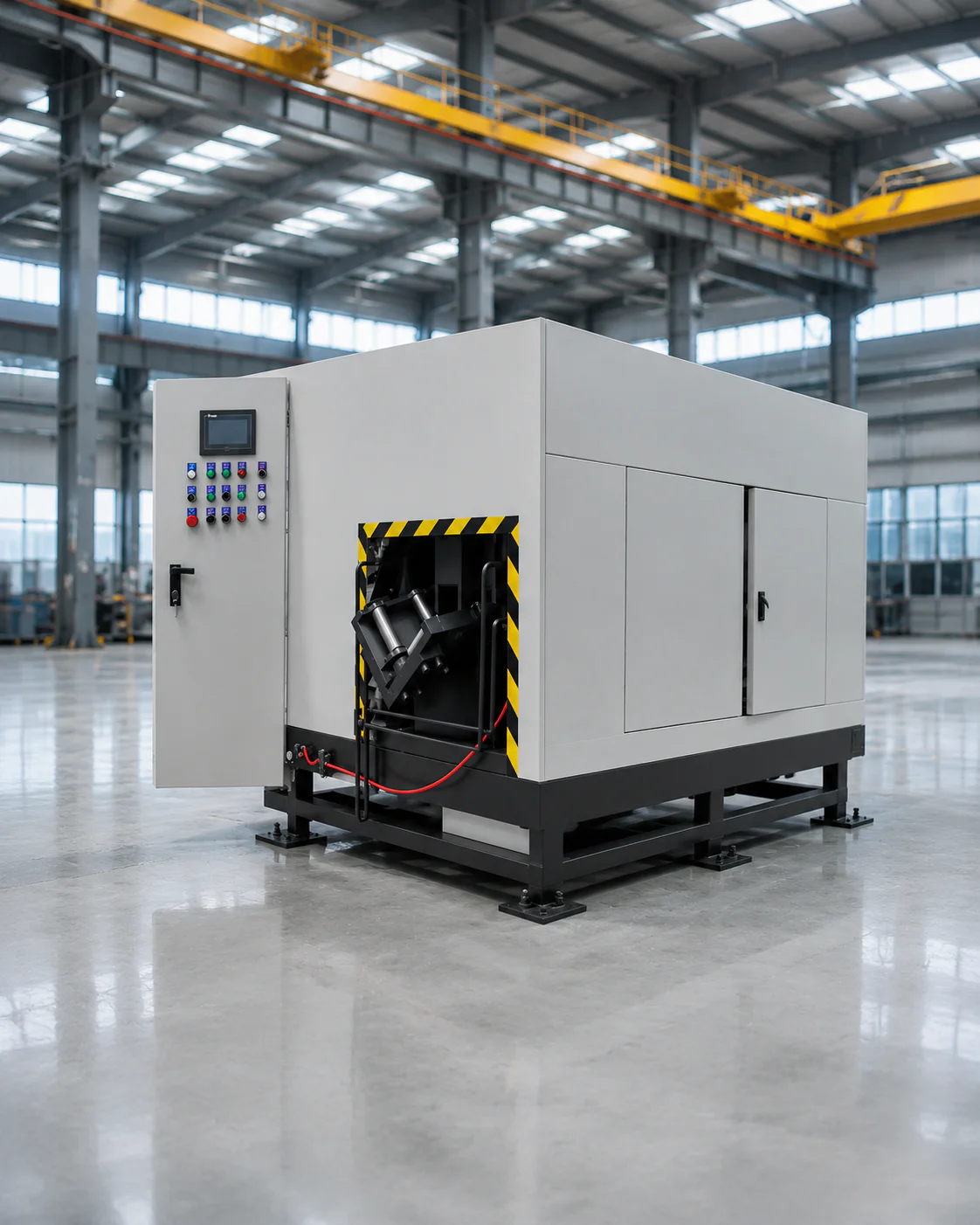
Jump straight to what matters for your project, from heel milling needs and size requirements to factory testing, support, and sending your specs.
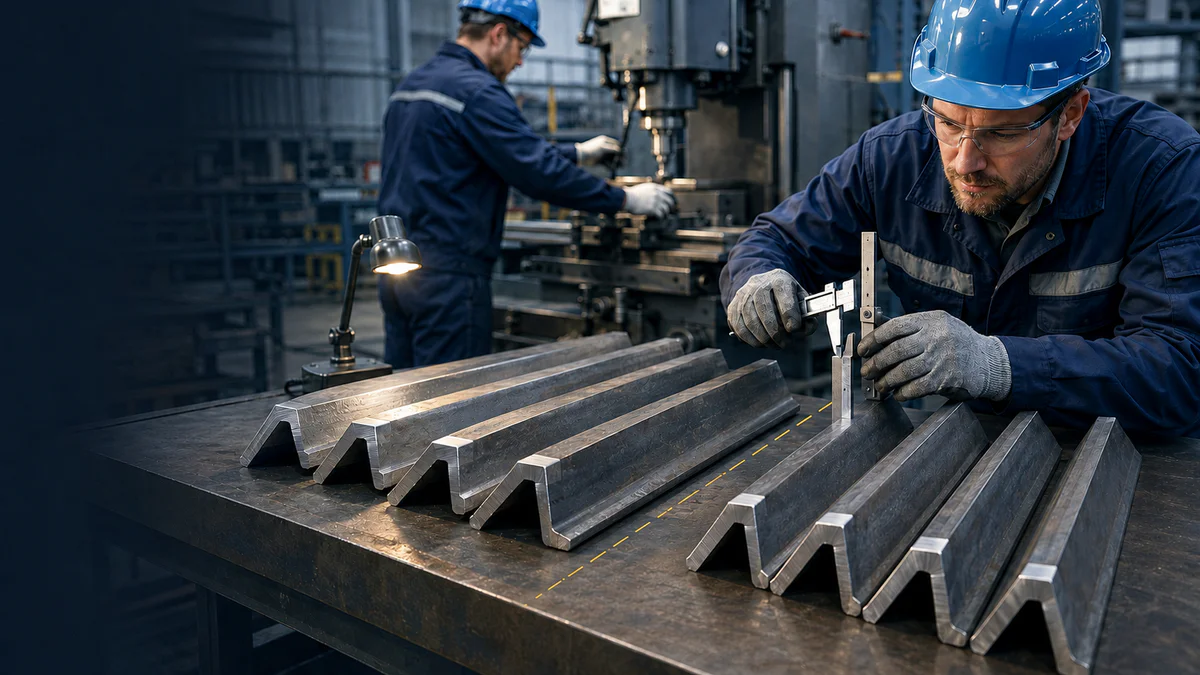
Transmission tower, power fitting and steel structure parts that need heel milling.
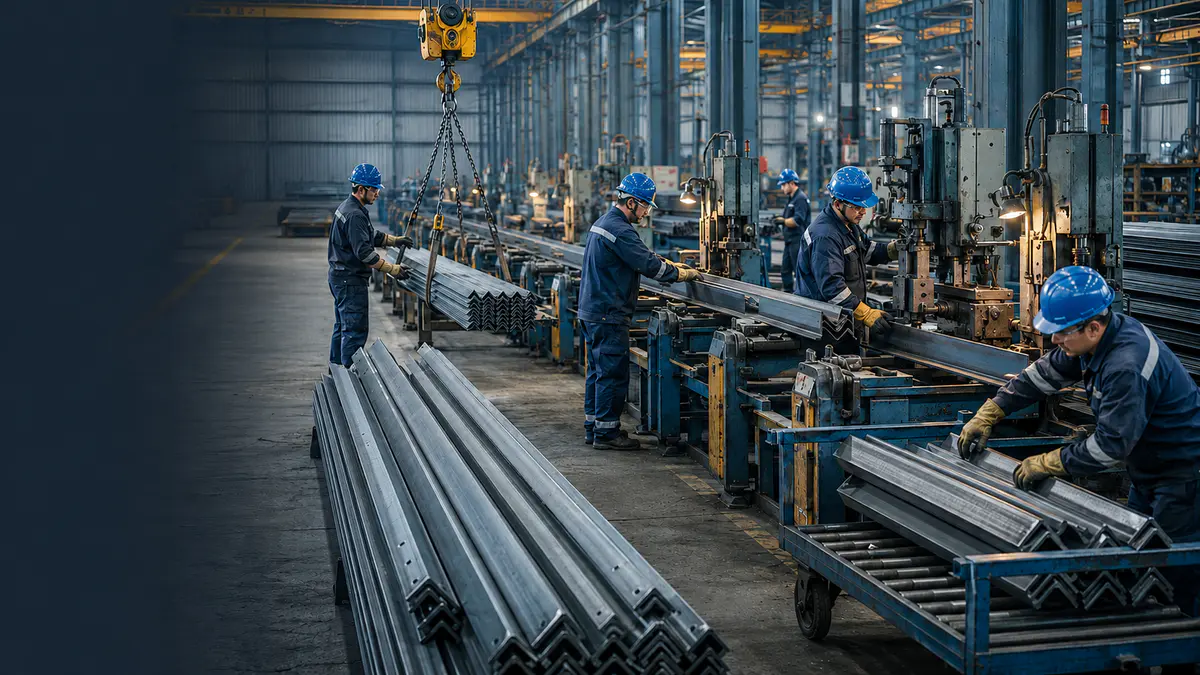
Why slow planer milling and manual handling hold back your output.
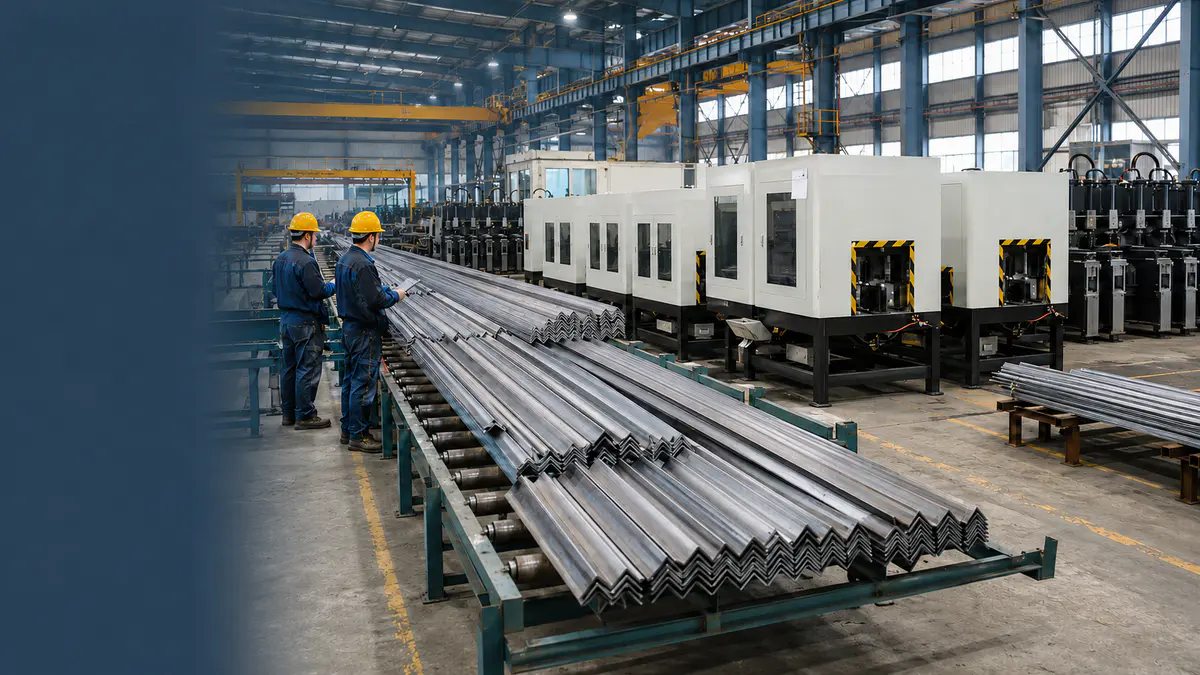
How the machine clamps, feeds and mills heel depth in one pass.
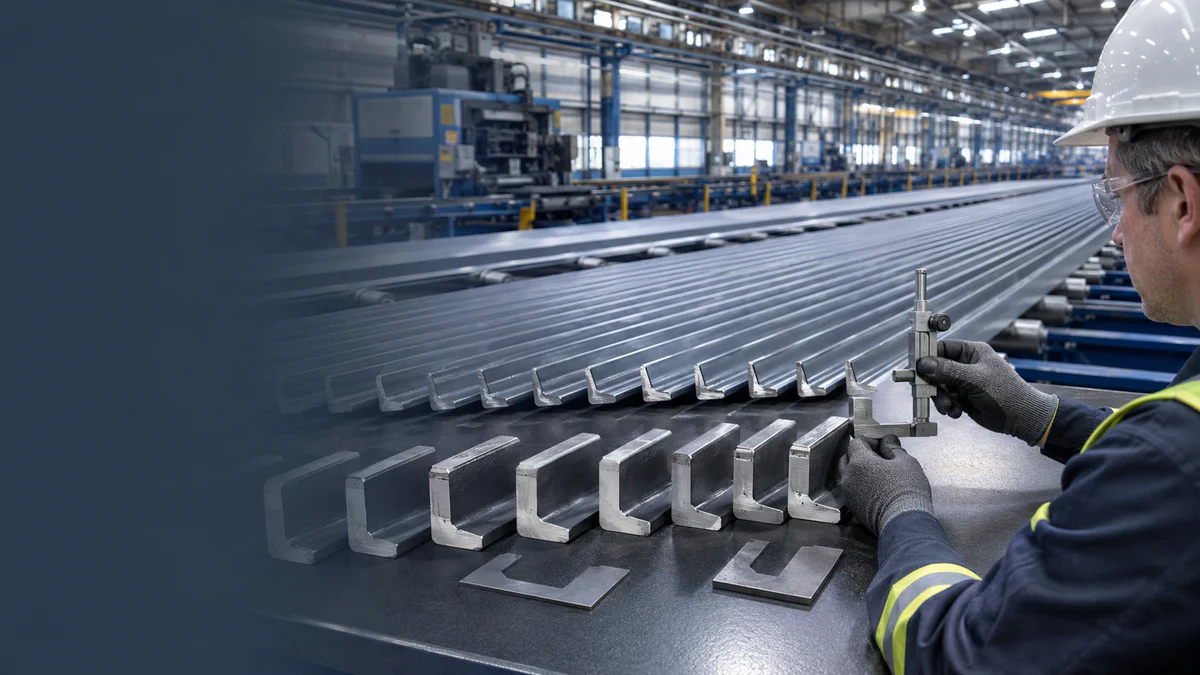
The angle size, thickness, milling length and heel depth it handles.
Milling cutters matched to your work, plus simple upkeep.
We trial your angle samples and send proof before shipment.
Installation, operator training, spare parts and remote help.
Lead time, payment, shipping and warranty answered.
Send your angle size and heel depth, get a configuration within 24h →
Not every angle steel part needs heel milling. You typically need it when your members require specific heel, back or root machining before assembly, fitting or further fabrication. Here is when it fits your work.
Machine the heel arc on your angle members where the profile needs controlled, repeatable material removal.
Mill the back face of your angle parts to hit drawing requirements and hold consistency across repeated runs.
Remove material at the angle root where standard cutting or punching can't reach the required shape.
Process long angle members that are slow and awkward on planers or repeated manual setups.
Prepare transmission tower angle members that need repeatable heel and root machining across large volumes.
Run repeated angle parts continuously, cutting down handling and setup time per piece.
If your drawing calls for angle heel, back, root arc or similar machining, send us the angle size, heel depth and processing details. We will confirm whether a heel milling machine fits your application before you commit to anything.
You probably already have a way to process heel, back or root areas. The real question isn't whether the work gets done, it's whether you can keep it consistent and efficient as your volume climbs.
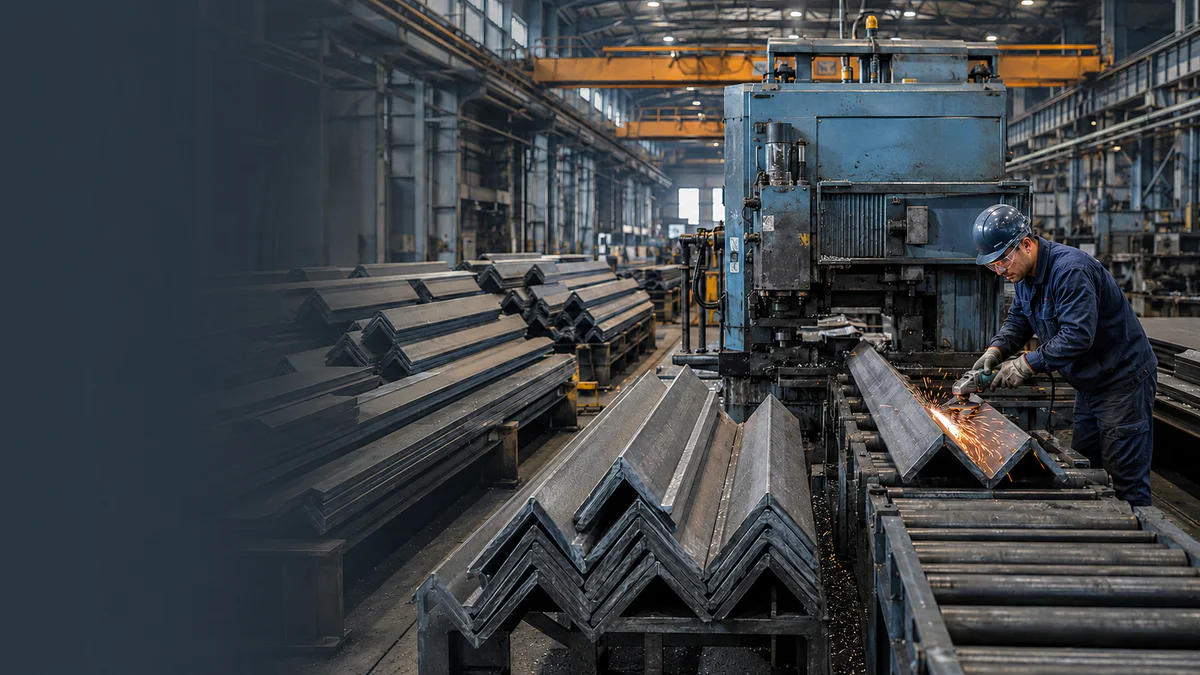
Long cycle times
Hard to hit project schedules
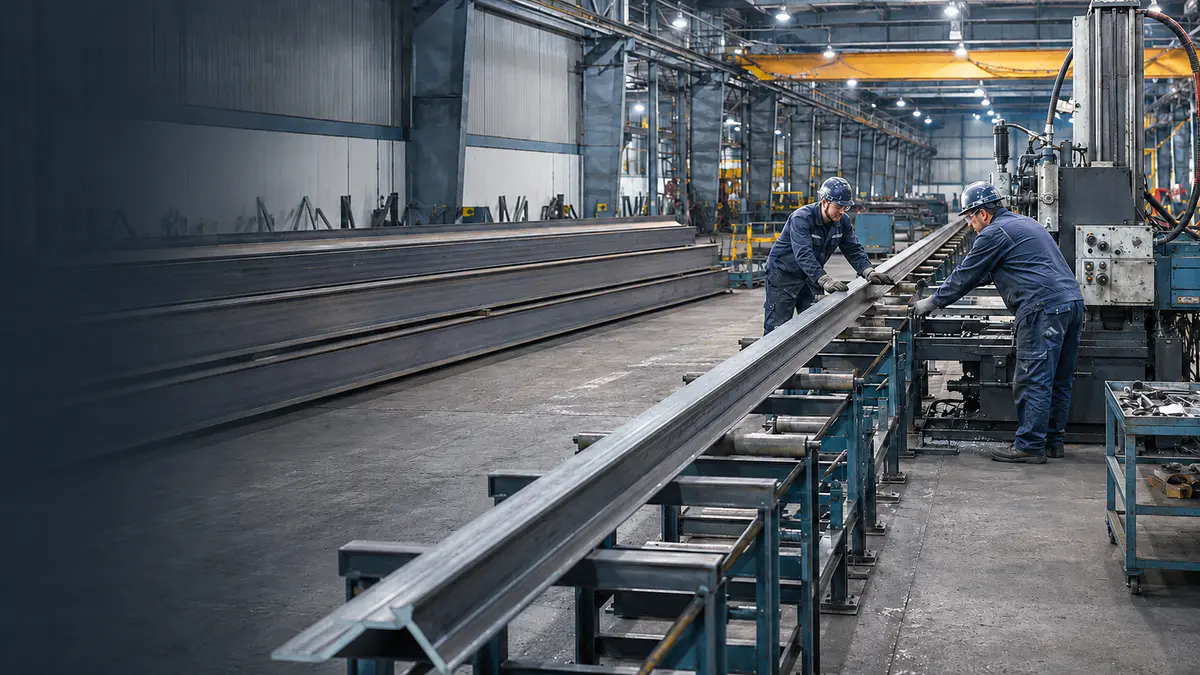
Heavy handling
Slows your production flow
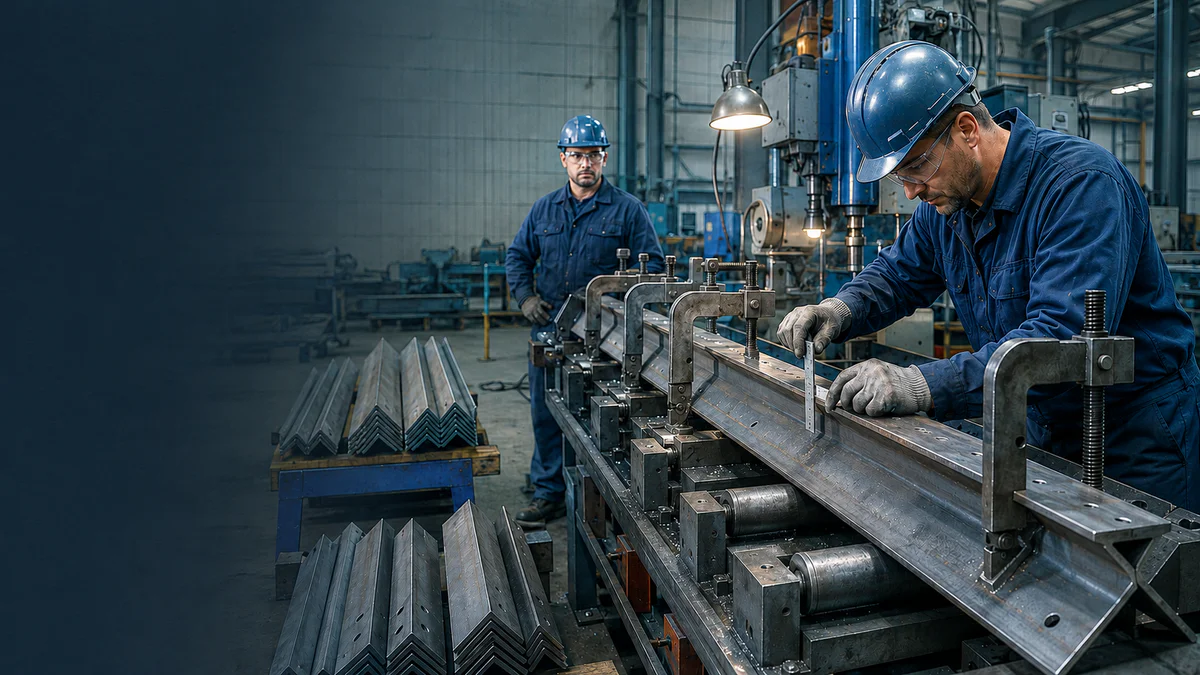
Repeated clamping
Setup time keeps climbing
Results drift
Depth varies between batches
More labor needed
Costs rise with volume
The limiting step
Can't match line pace
Hard to repeat
Profile drifts over long runs
Most manufacturers start looking at dedicated heel milling equipment once traditional methods can no longer keep up with their production volume, consistency or delivery schedules.
Dedicated heel milling equipment processes your angle steel heel, back and root areas with a controlled, repeatable method. Instead of repeated manual handling and multiple setups, it keeps the focus on stable positioning and continuous production flow.
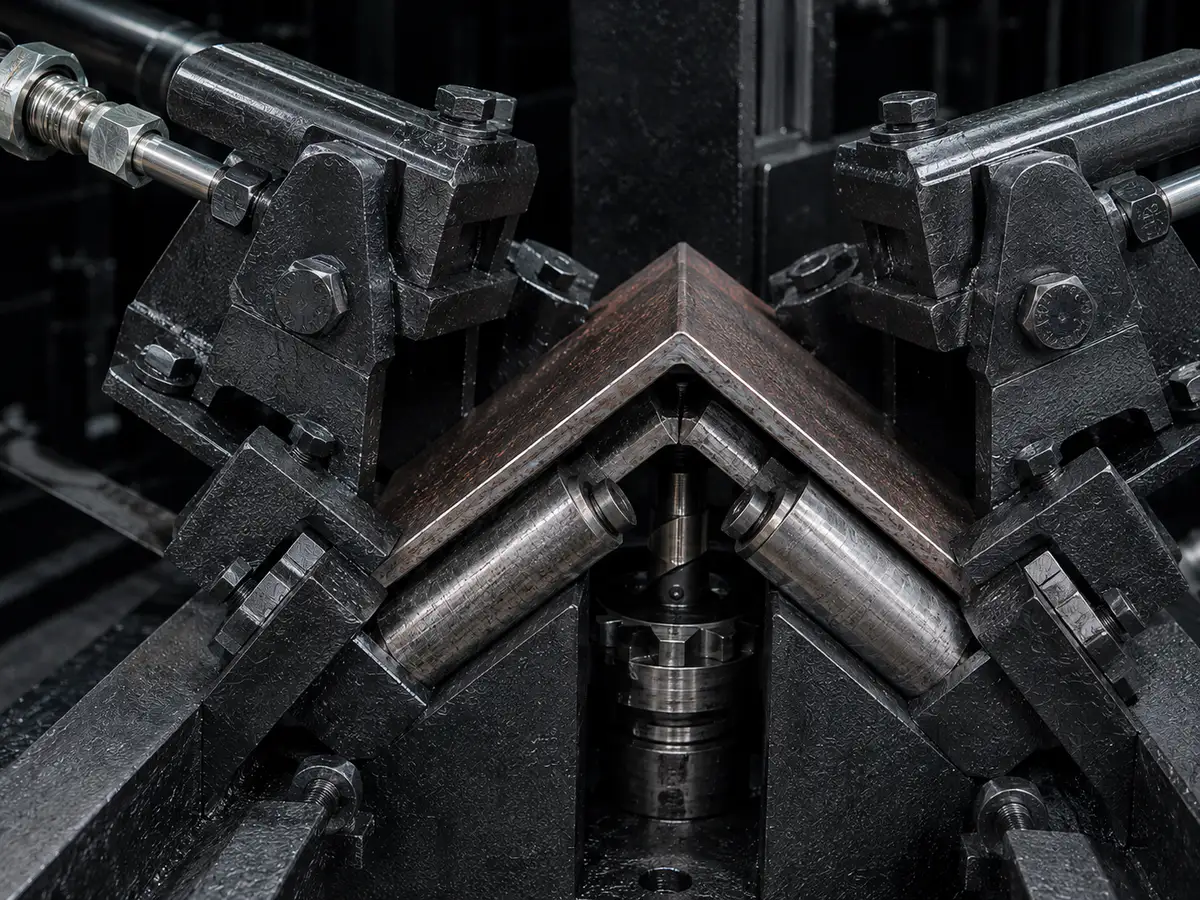
Consistent milling starts with consistent positioning.
Hydraulic clamping holds your angle steel firmly through the cut, cutting movement and vibration while keeping steady contact between cutter and workpiece. That matters most on long members and repeated production batches.
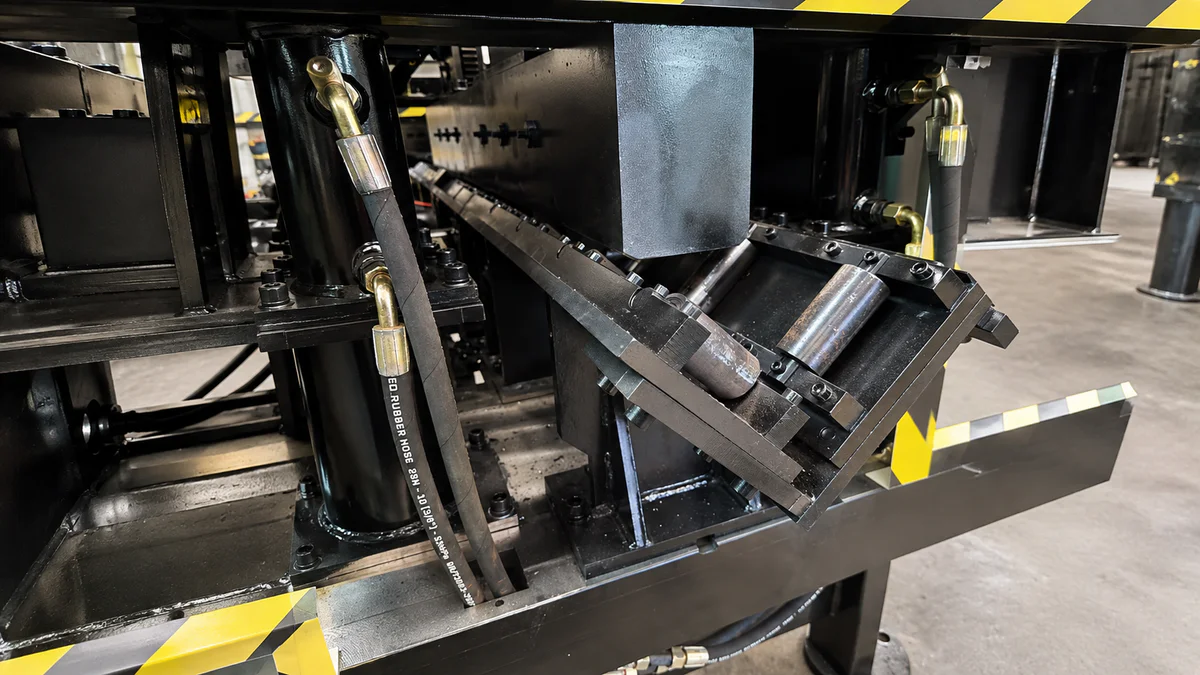
Every project can call for a different heel depth and profile.
You set the milling depth to match each component spec, so the same profile carries across large quantities of similar parts instead of drifting from one batch to the next.
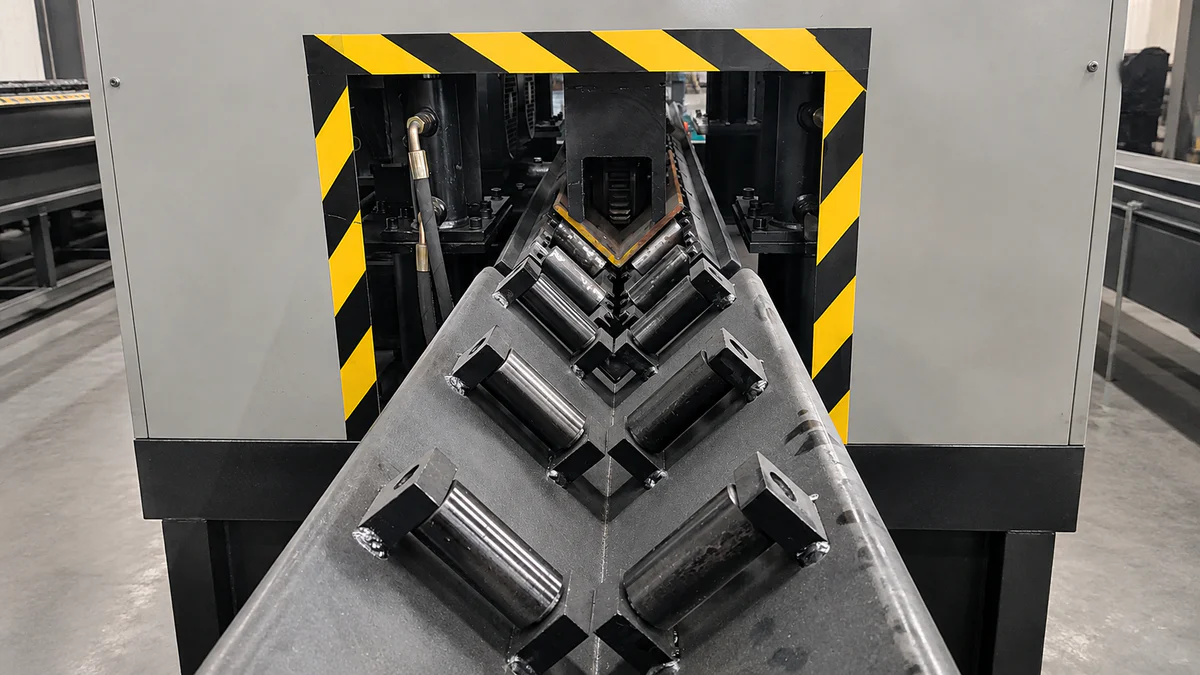
Long members shouldn't mean constant repositioning.
Continuous feeding cuts repeated handling and keeps production flowing on the long angle steel you run for transmission tower and structural applications.
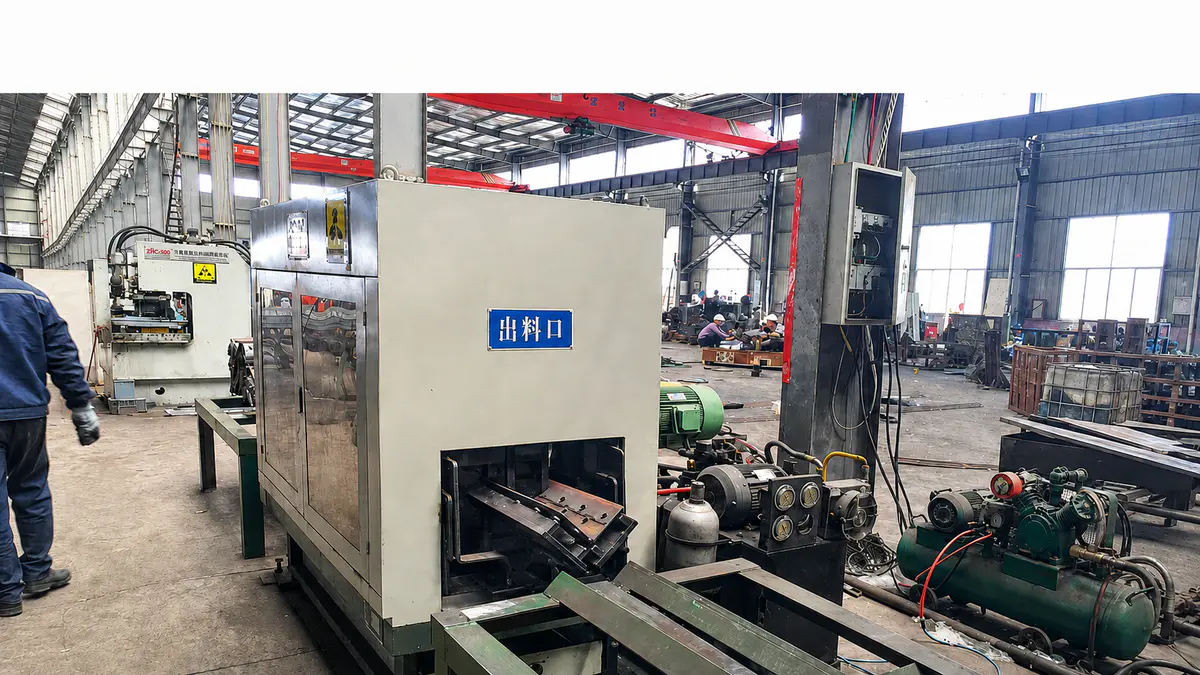
Your workshop runs hundreds or thousands of near-identical parts.
Stable clamping, controlled feed and fixed machining parameters work together to give you repeatable results from the first part to the last of the run.
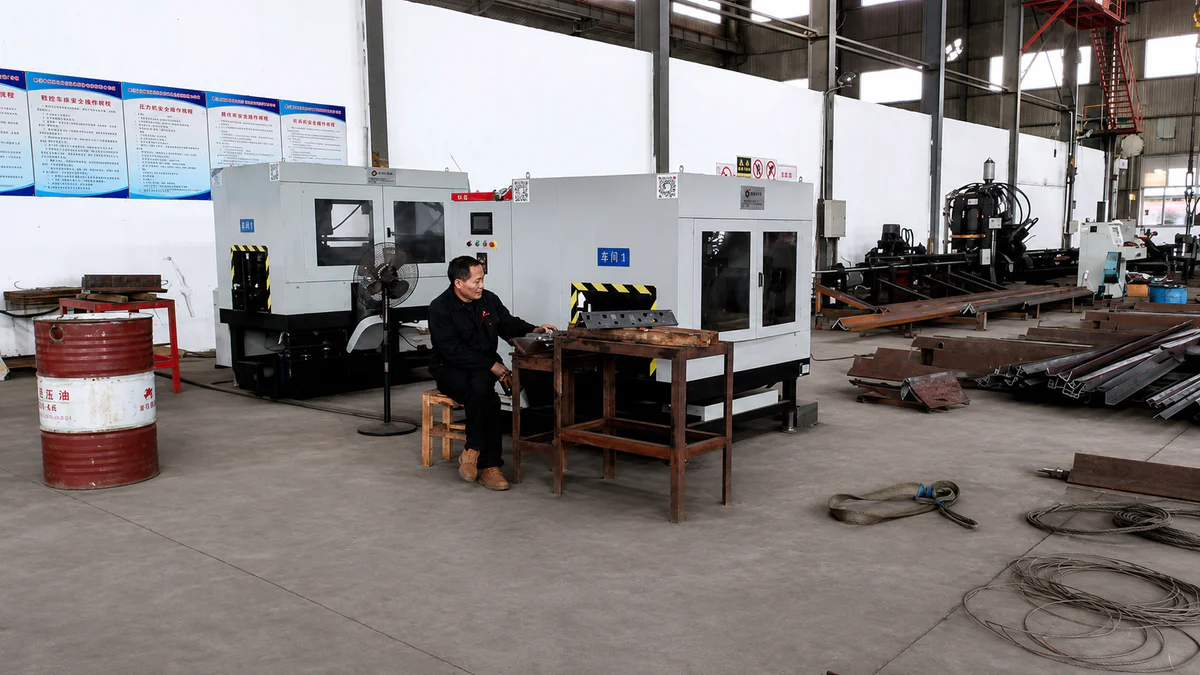
Quality shouldn't ride on who's running the machine.
A dedicated process standardizes the operation, so you hold consistent quality across shifts and production runs without leaning on only your most experienced hands.
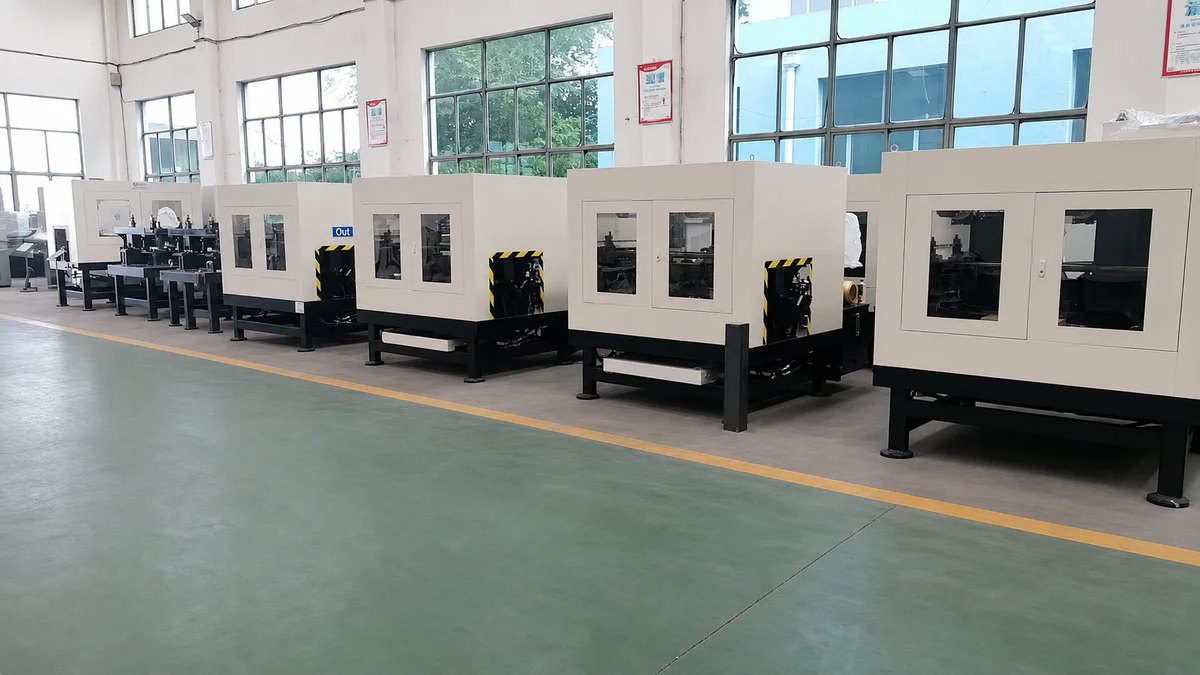
This isn't a general-purpose machine tool.
It's built around real angle steel work, handling repeated members and protecting machining consistency for transmission tower, power fitting and structural fabrication.
Send us your angle size, thickness, milling length and required heel depth. We will map this milling method to your parts and recommend a configuration that holds stable clamping, controlled depth and repeatable batch results.
Heel milling requirements change project to project. Before we recommend a configuration, we need to understand your workpiece and machining details. The more of the below you can share, the more accurate your quote and the better the machine fit.
Sets the machine capacity and clamping range you'll need.
Drives the milling load and which cutter we select for you.
Affects cutting conditions and how the tooling performs.
Tells us the milling adjustment your parts require.
Lets us plan feeding and your production arrangement.
Confirms whether you need heel, back or root milling.
Guides cutter choice and the machining settings we use.
Helps us match production rhythm to your workflow.
Shows us your current bottlenecks and improvement targets.
Lets us verify the real machining requirement before quoting.
Answer what you can from the list. With these details we can evaluate your processing requirements and recommend a heel milling configuration that actually fits your parts and your volume.
Long-term performance isn't only about machine structure. It comes down to cutter condition, clamping stability and daily maintenance, and those details shape your milling quality, tool life and consistency.
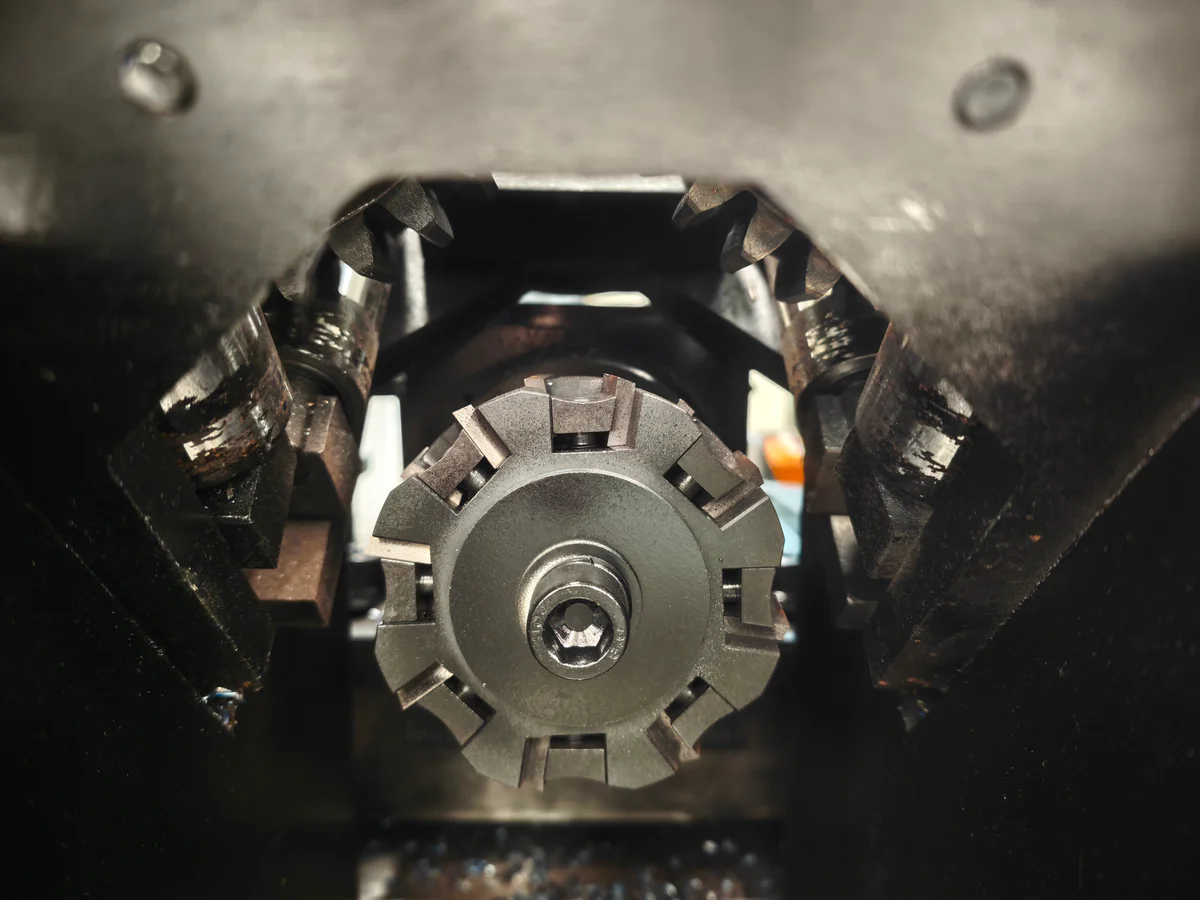
Match the cutter to your angle size, thickness, grade and heel depth, then check wear during runs, especially on harder or thicker stock.
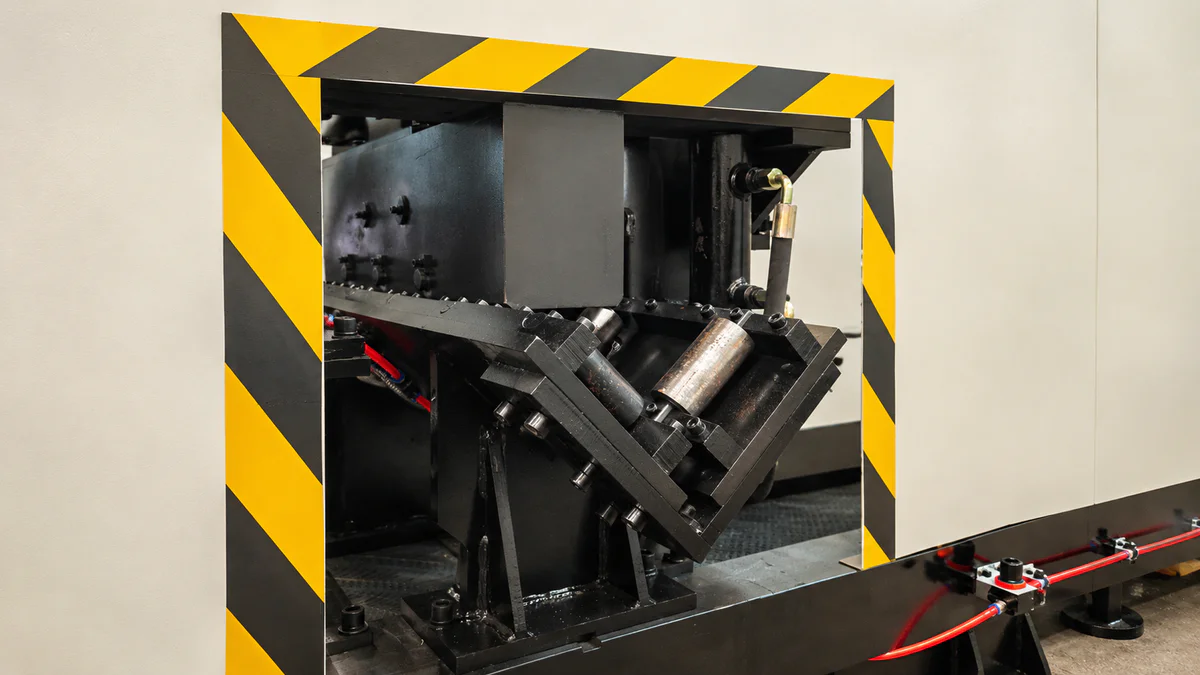
Hydraulic clamping holds the angle steel firmly through heel, back and root milling, cutting vibration that hurts surface, cutter life and dimensions.
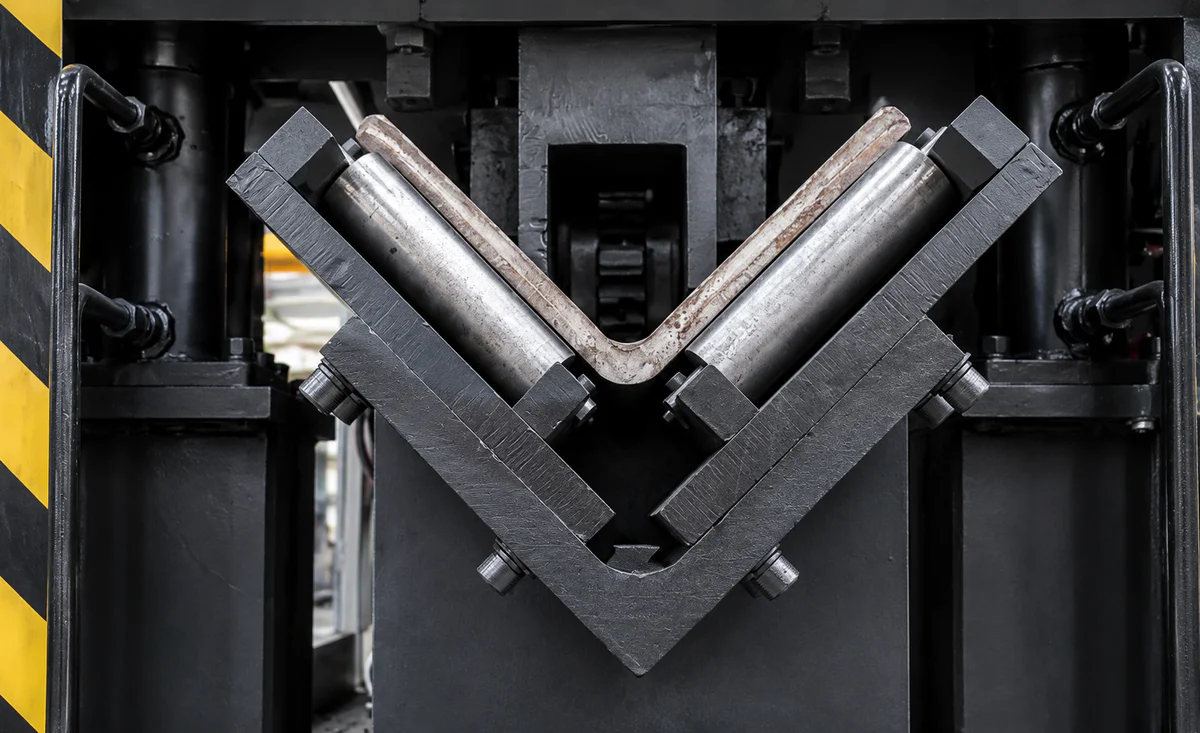
Different specs need different clamping and pressing setup. Correct setup keeps parts stable and repeatable when you switch sizes or batches.
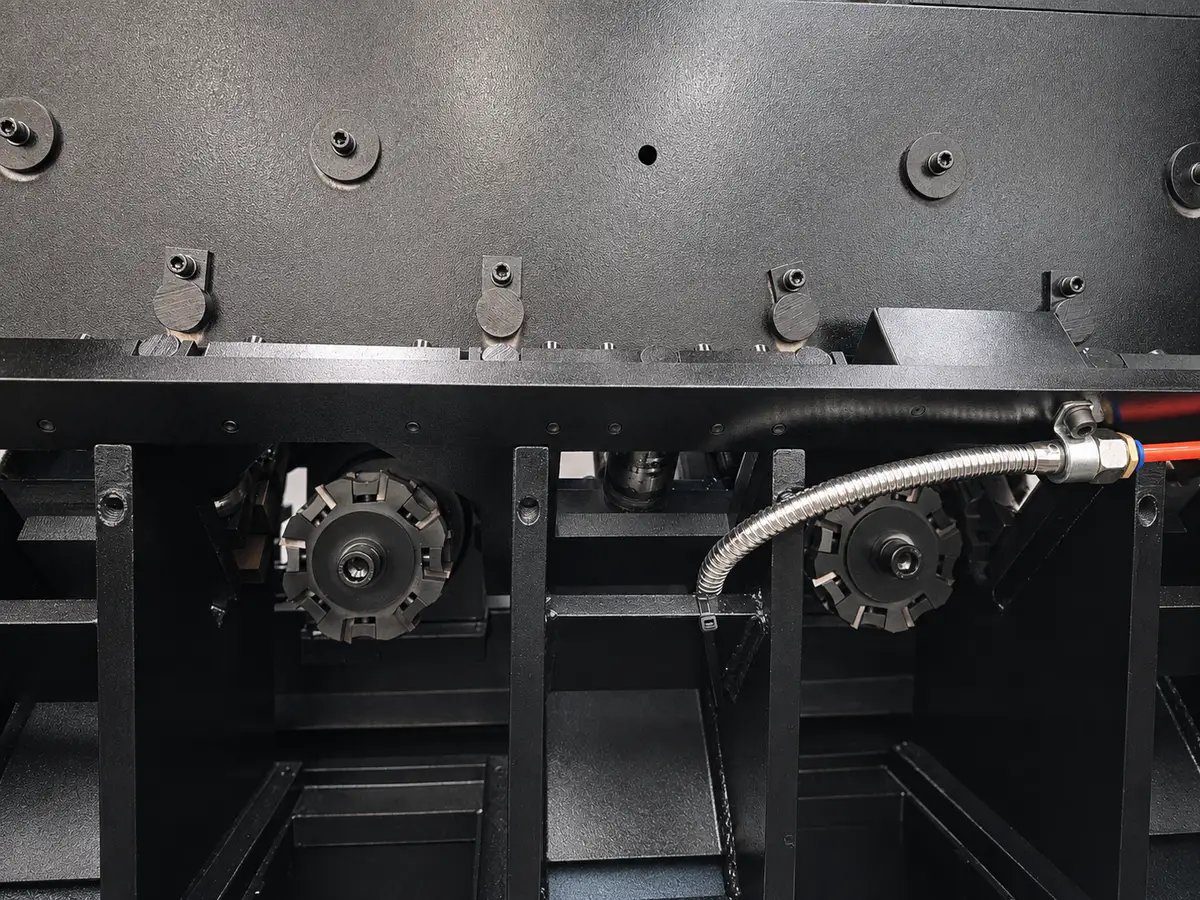
Clear cutting chips as you go and lubricate on schedule to protect moving parts and keep the machine ready for continuous shop use.
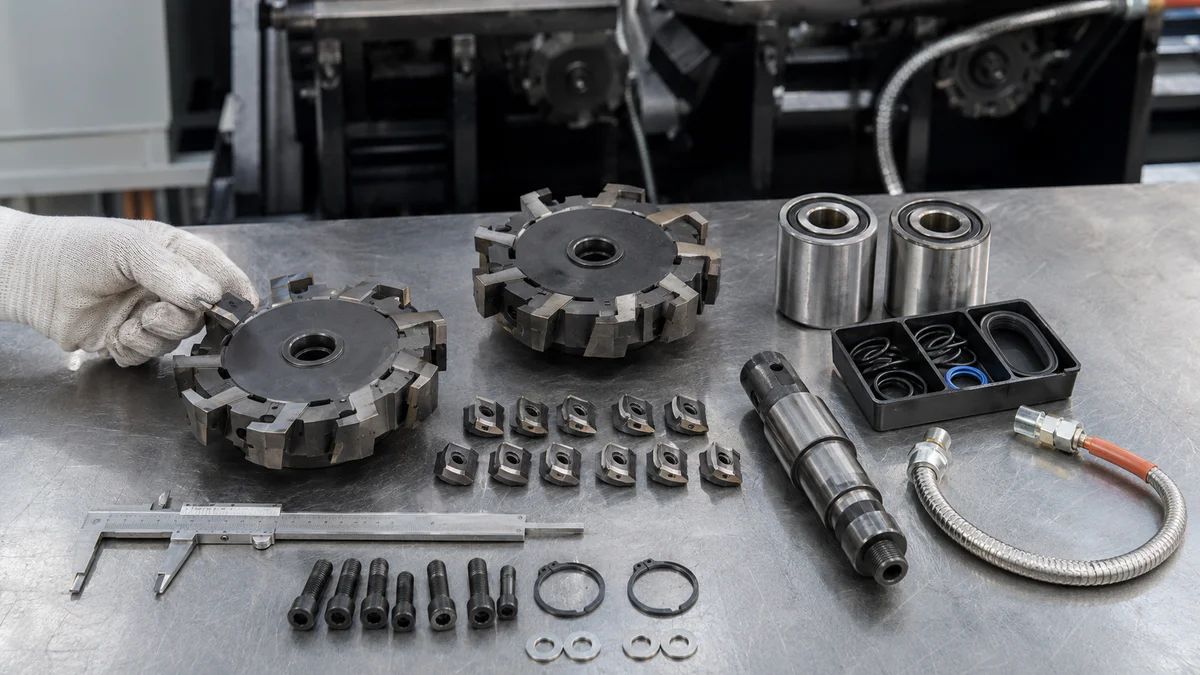
Stock spare cutters and wear parts for your real volume, and run quick checks on the cutter head, clamping, feeding and hydraulic system to avoid downtime.
Send your angle size, grade, heel depth and expected workload. We'll confirm the right cutter setup and a recommended spare parts list before shipment.
The goal isn't just finishing one milling job. It's keeping heel milling quality stable across repeated workpieces, different batches and long-term production.
Before shipment, we can test the machine in our factory against your agreed configuration, so you check operation, clamping stability and heel milling performance before delivery. After it lands, we stay with you through setup and daily production.
Send your angle specs, heel depth, milling length or sample requirements and we run test milling on the confirmed conditions before the machine leaves our floor.
Before production or shipment we confirm the key details with you, so you don't receive a machine that misses your actual application.
Your operators get guidance on basic operation, workpiece positioning, feeding setup, milling depth adjustment and routine checks for daily production.
Cutter condition and wear parts drive your long-term milling quality, so we help you prepare the right spares from the start.
For daily use, you get support on hydraulic clamping, lubrication, inspection points and basic maintenance that keeps milling stable.
After delivery, reach us for operation questions, adjustment guidance, cutter replacement and troubleshooting. New angle sizes or heel requirements? We help review and adjust.
Everything we do points to one practical goal: helping you run your heel milling machine correctly, safely and consistently. From the first test part to years of batch production, you have a team behind the machine, not just a machine in your workshop.
Quick answers on sizing, heel milling, replacing planer work and what to send before quotation. Don't see yours? Send your specs and we'll answer directly.
It depends on your size, thickness, material grade, required heel depth and milling length. Send your workpiece specs, a drawing or a sample photo and we'll check whether the configuration matches your processing before quoting.
It machines the heel, back or root area of angle steel. You typically need it when members require a specific profile before assembly, fitting or further fabrication, especially for transmission tower, power fitting and steel structure work.
In many heel milling applications, a dedicated machine cuts down slow planer processing, repeated handling and heavy manual setup. Final suitability depends on your current process, workpiece size, milling profile and production volume.
Heel depth is set to your required machining spec and workpiece condition. Share your required heel depth, angle size and material thickness, and we'll confirm the adjustment method and machine configuration that fit.
Mainly workpiece positioning, clamping stability, cutter condition, material grade, heel depth, feeding setup and operator adjustment. For batch runs, stable hydraulic clamping, the right cutter and routine inspection keep results consistent.
Yes. It's built for workshops where long workpieces are common. Continuous feeding and stable clamping cut repeated repositioning, making long angle steel processing more efficient than manual or planer-based methods.
Send your angle steel size, thickness, material grade, required heel depth, milling length, batch quantity and a drawing or sample photo. If you're on planer processing or manual machining now, share your current process and main production problems too, so we can recommend a better-matched configuration.
Tell me your angle size, heel depth and milling needs. I'll confirm a suitable machine configuration and get back to you, usually within 24 hours.
Henry
Angle Steel Equipment Specialist · RITEC
I've spent years helping angle steel workshops move off slow planer work and manual handling. Send me what you're processing and I'll tell you straight whether a heel milling machine fits, and which setup makes sense for your volume.
Drawings, sample photos, a rough spec, even a quick description is enough to start. No pressure, just a clear answer.
Henry