China Hydraulic Plate Punching Machine Factory
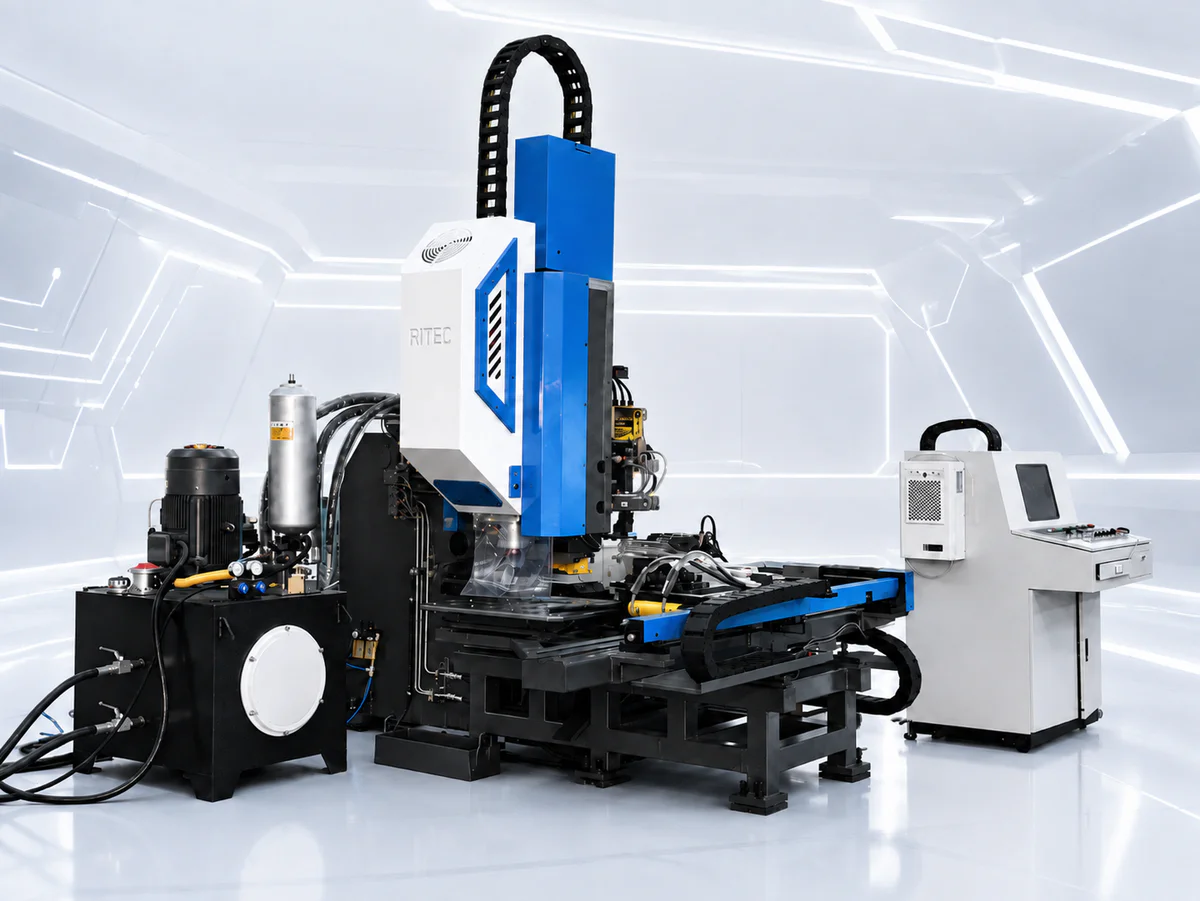
Hydraulic plate punching machines built for steel plates, connection plates, gusset plates and your custom metal parts.
Send us your plate drawing, thickness, hole diameter and material grade. We help you select the right punching force, tooling and positioning method for your production line.
Years Manufacturing
Machines Delivered
Countries Served
Certified Quality
What You'll Find on This Page
Jump straight to what matters for your project, from plate applications and machine types to punching tools, factory testing, support, and sending your specs.
Applications
Steel plates, connection plates, gusset plates and your custom metal parts.
Drilling Problems
Why marking, drilling and manual handling slow your plate output.
Machine Types
Single-head, CNC and high-speed models matched to your volume.
Plate Requirements
The plate thickness, hole diameter and sheet size it handles.
Punching Tools
Punches and dies matched to your hole shapes and materials.
Capacity Factors
What drives punching force, speed and real throughput on your line.
Testing Process
We trial your plate samples and send proof before shipment.
After-Sales Support
Installation, operator training, spare parts and remote help.
FAQ
Lead time, payment, shipping and warranty answered.
Send Requirements
Send your plate drawing, thickness and hole specs, get a configuration within 24h →
Plate Punching Applications
Hydraulic plate punching machines handle hole punching in steel plates and metal parts across different sizes, hole patterns and production requirements.
This machine suits plate parts that need repeated hole punching, stable positioning and a clear hole layout. Put it to work on steel structure fabrication, tower plate production, metal fabrication workshops and machinery parts processing.
Before you choose a machine, send your plate drawing, material, thickness, hole diameter and hole quantity. We check whether hydraulic punching fits your parts and recommend the right machine configuration.
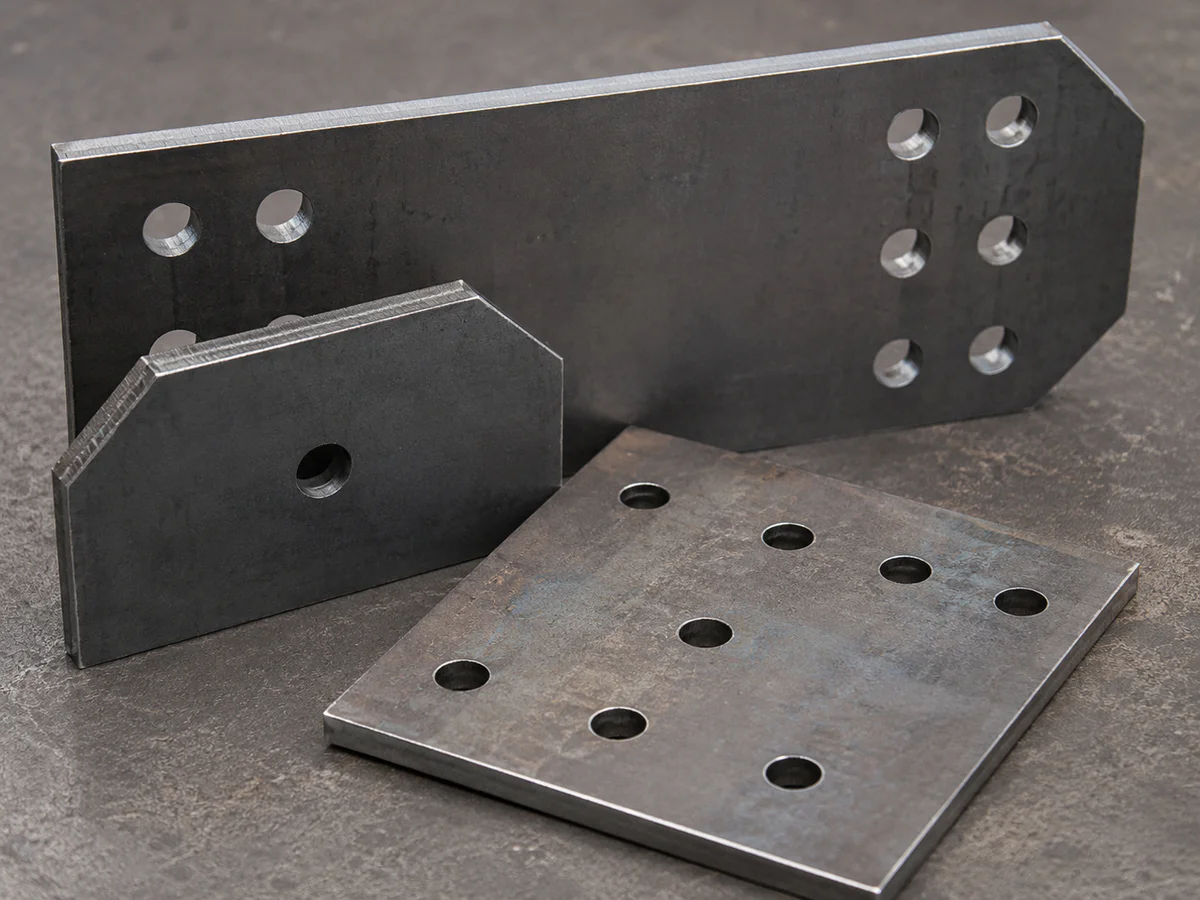
Connection Plates
For steel structure connection plates with single-hole or multi-hole layouts.
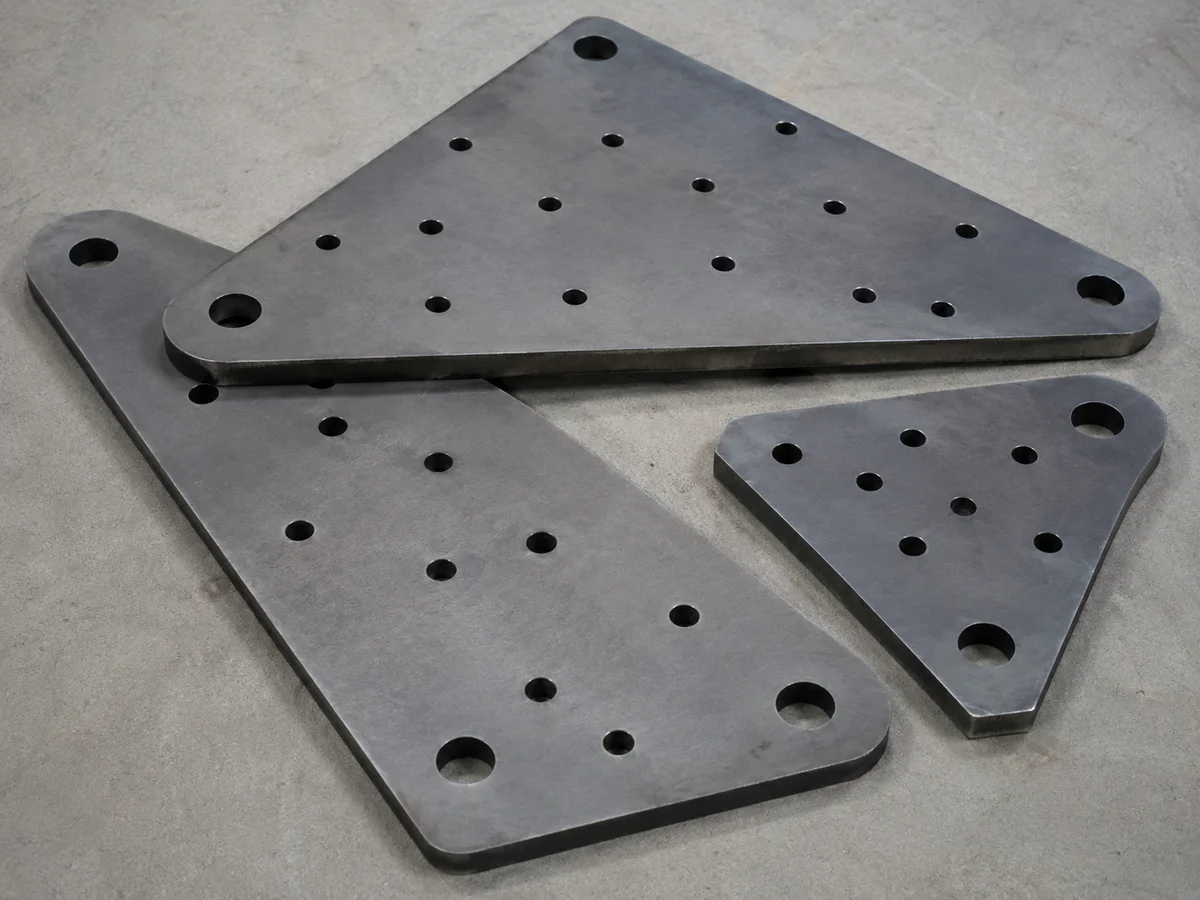
Gusset Plates
For gusset plates used in steel frames, towers and structural joints.
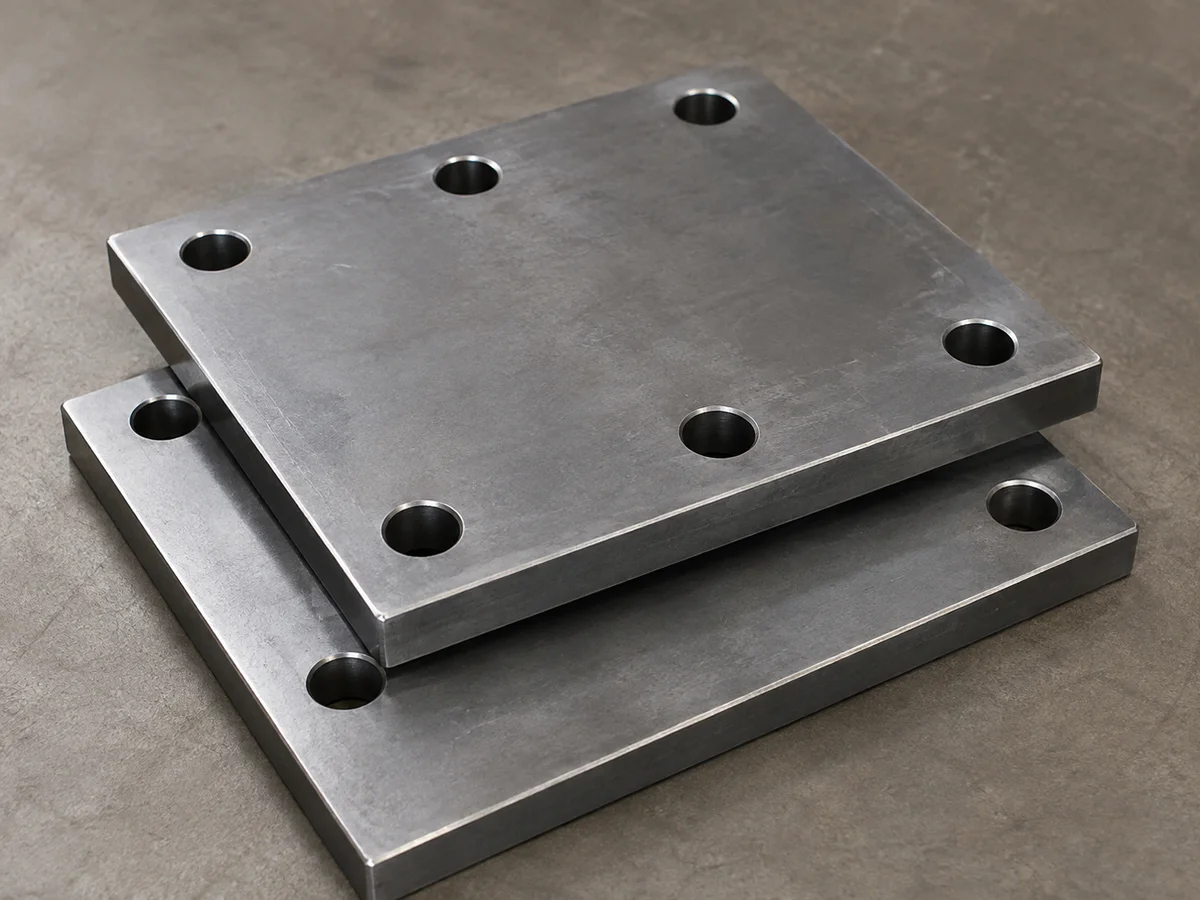
Base Plates
For base plates that need accurate hole positions for assembly or installation.
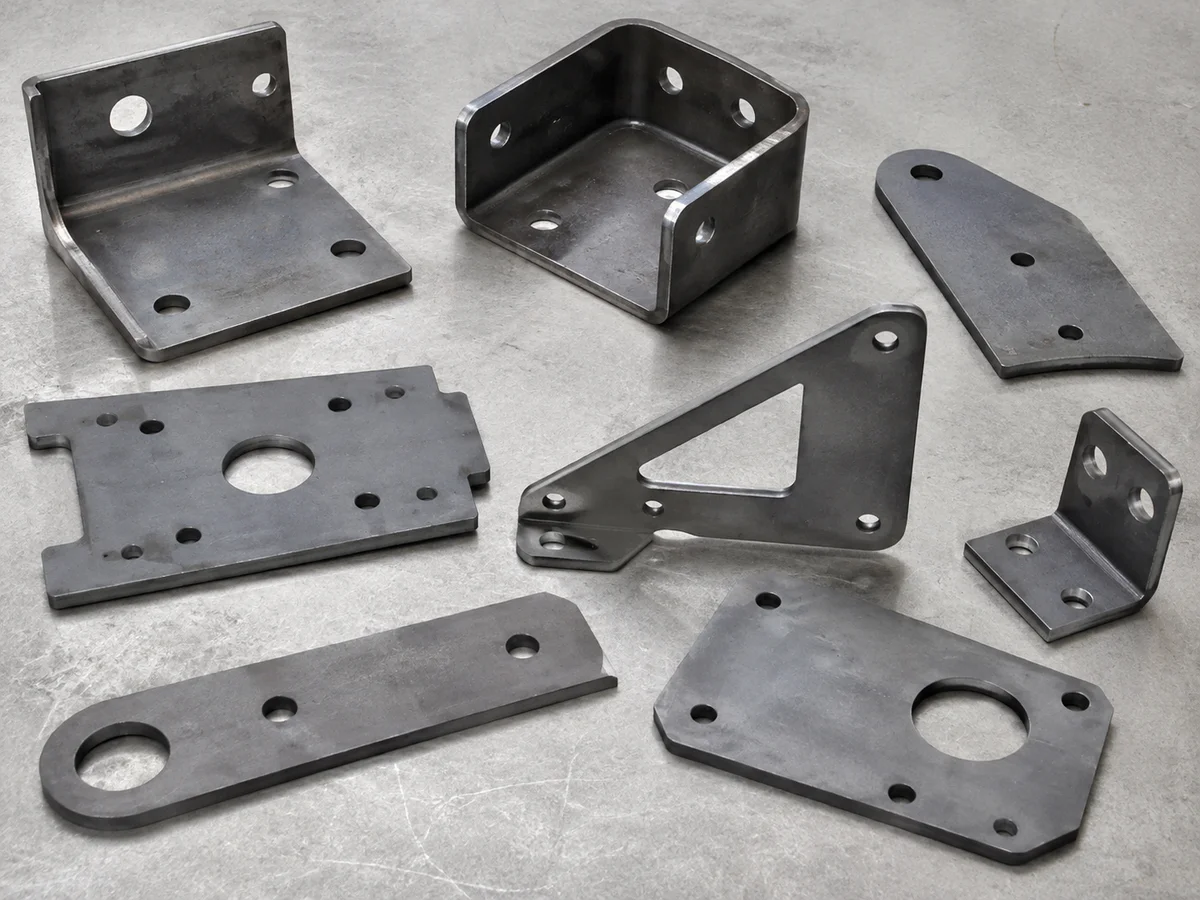
Bracket Plates
For mounting brackets, support plates and custom fabricated parts.
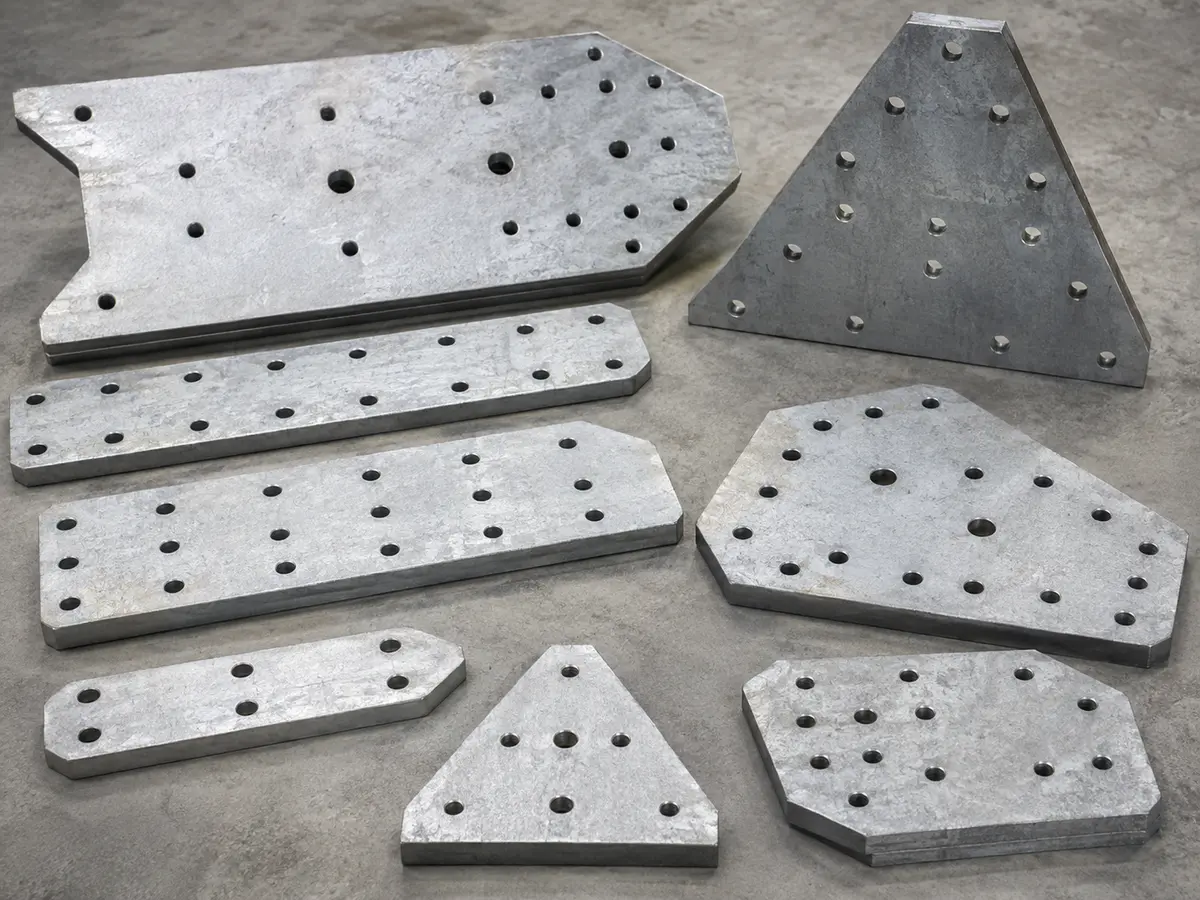
Tower Plates
For transmission tower plates and power fitting plates with repeated hole patterns.
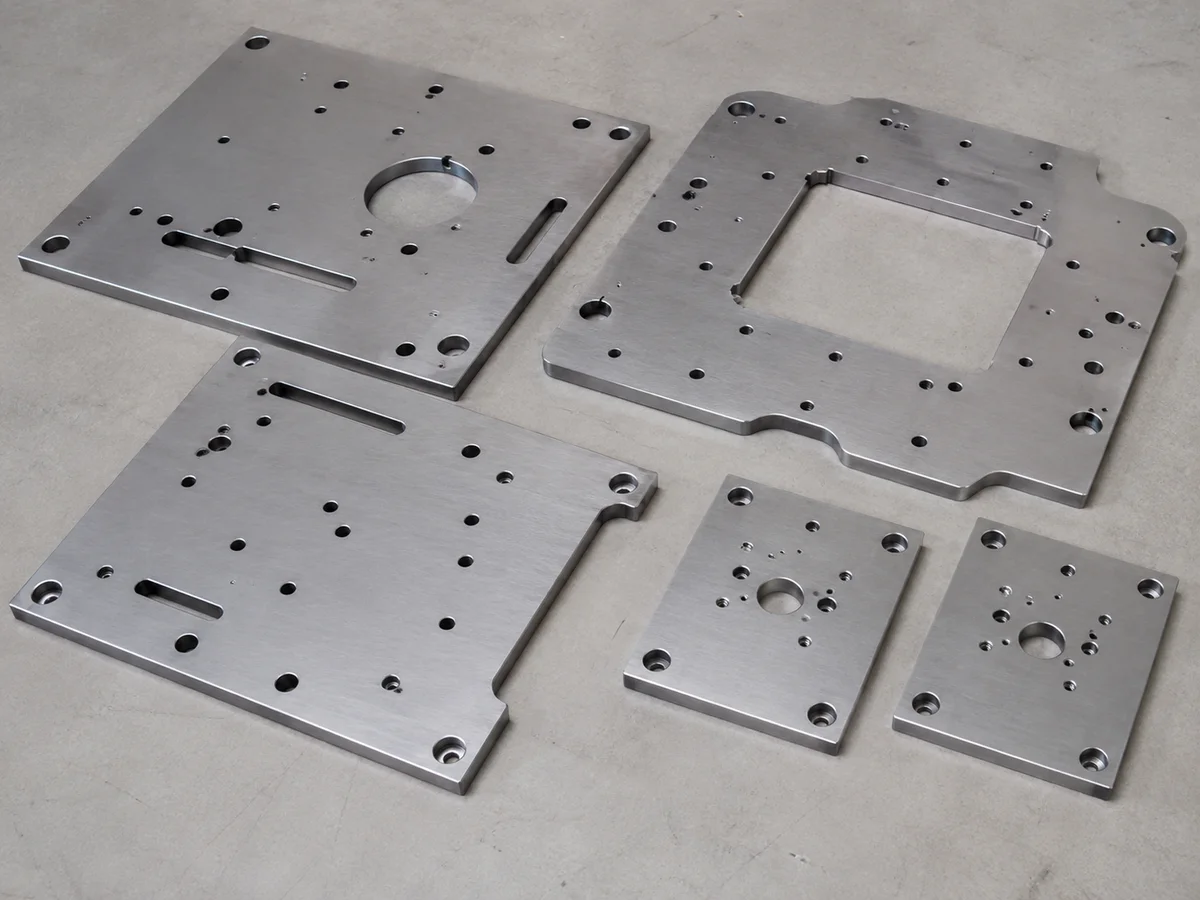
Mounting Plates
For equipment mounting plates, machinery plates and installation parts.
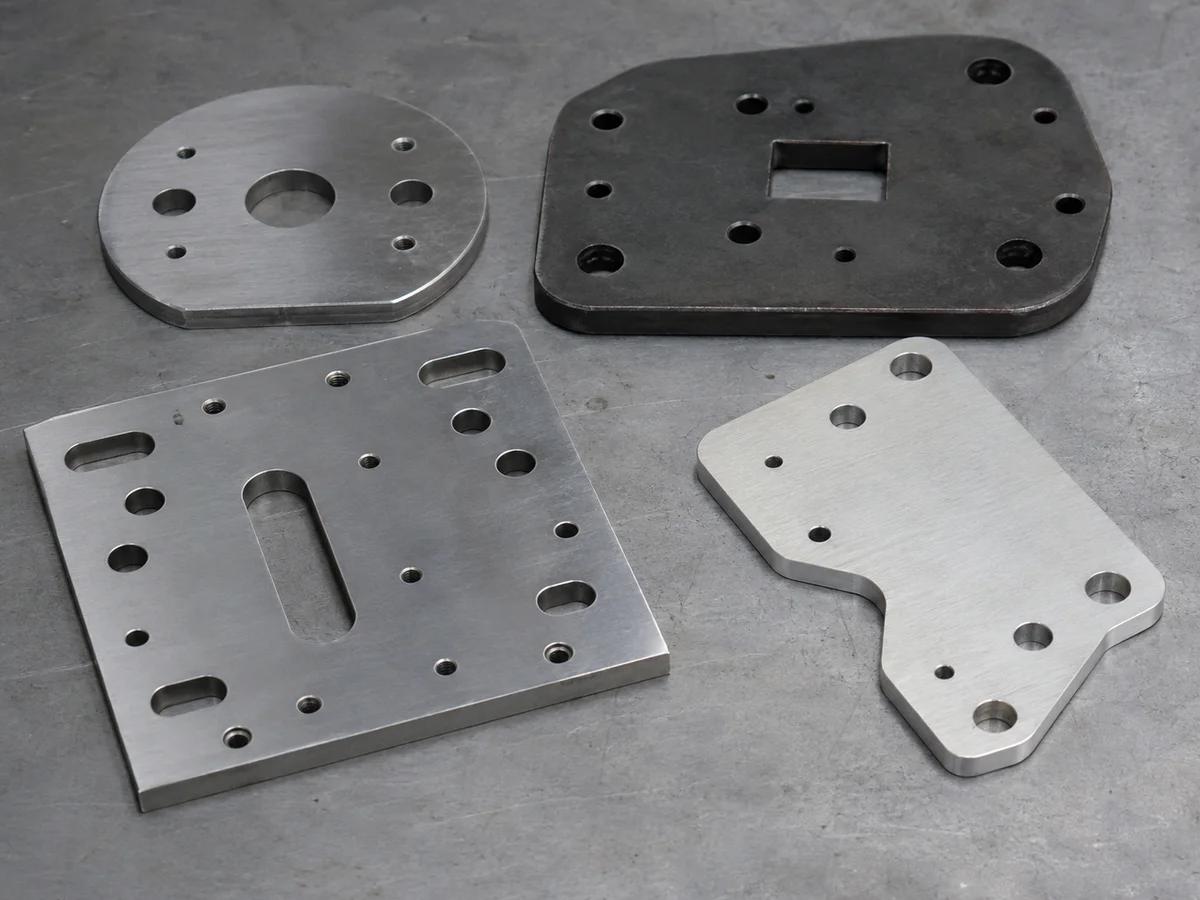
Custom Metal Plates
For carbon steel, stainless steel or aluminum plates, matched to your tooling configuration.
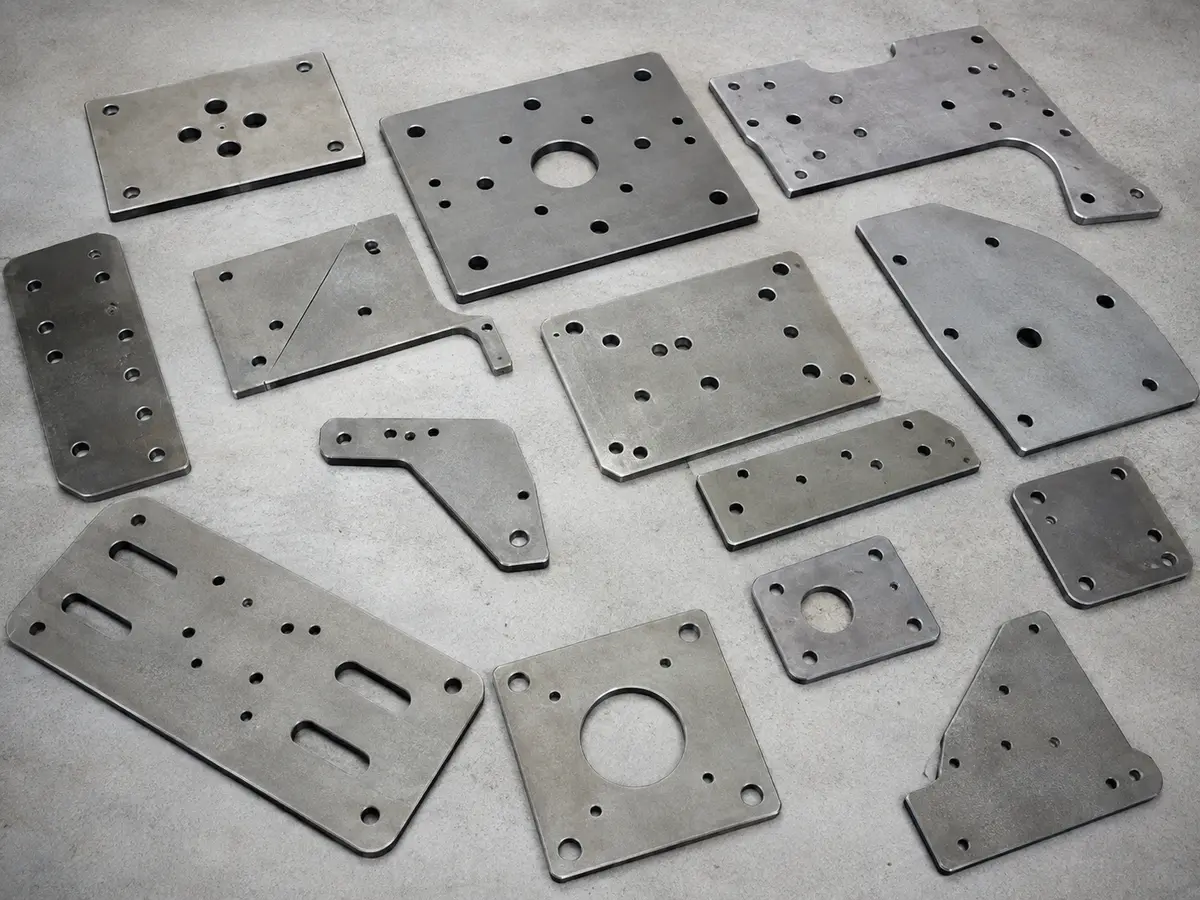
Project Plates
For project-based plate punching with different drawings and batch quantities.
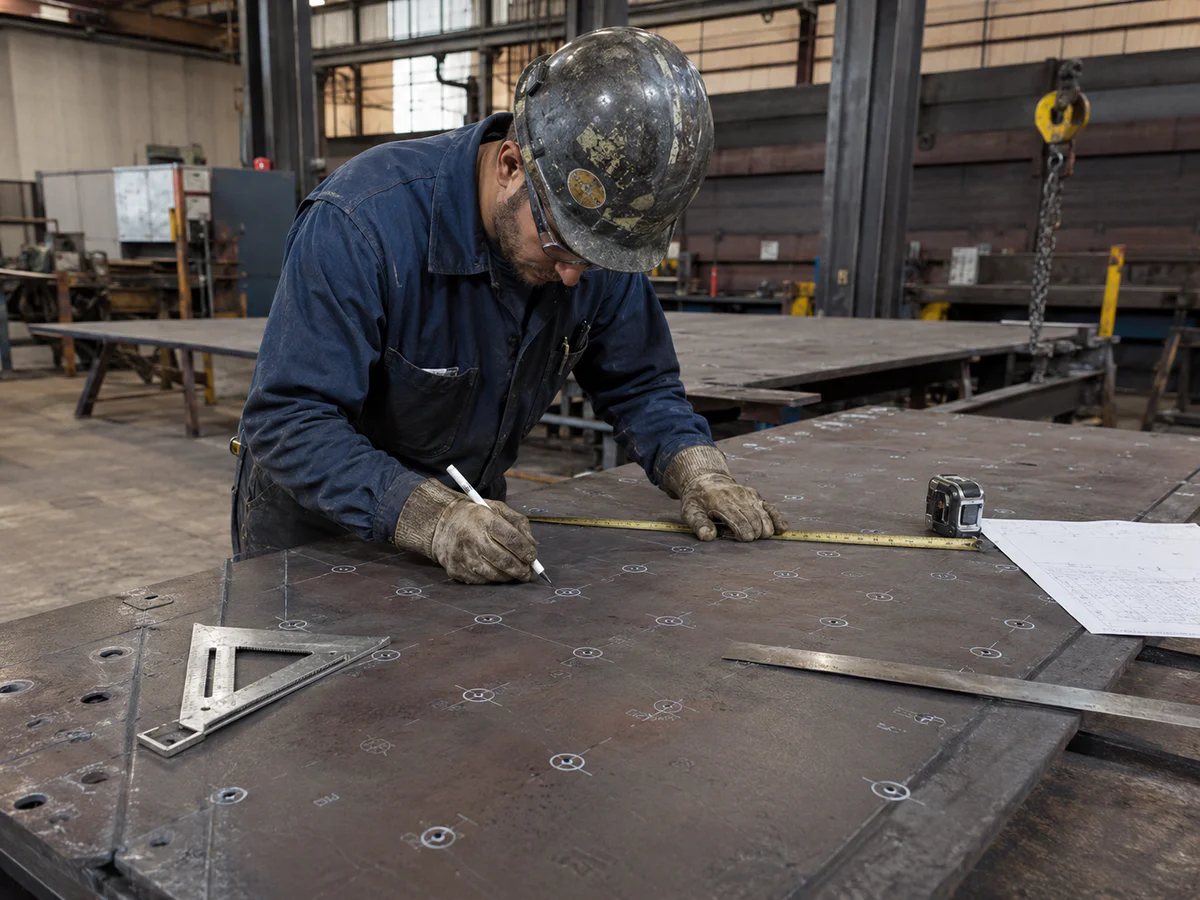
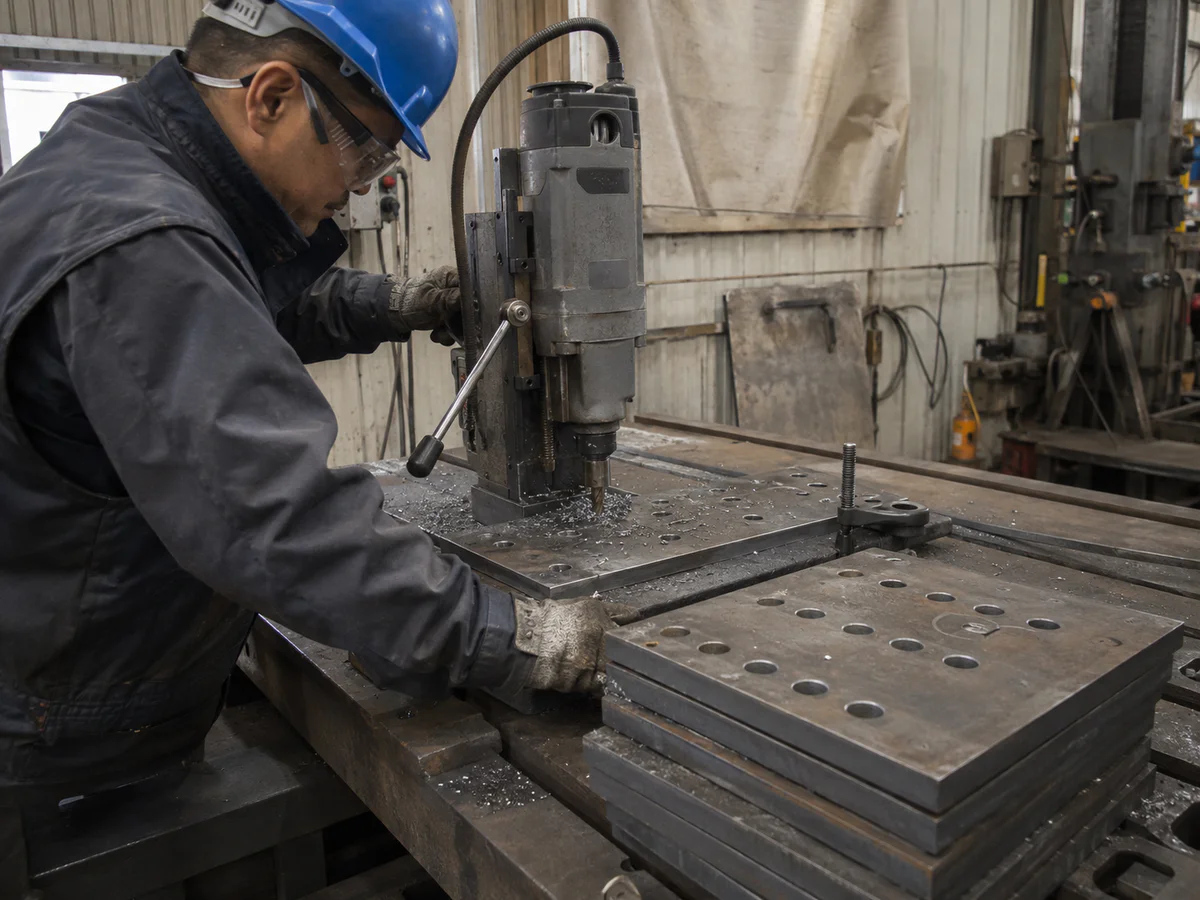
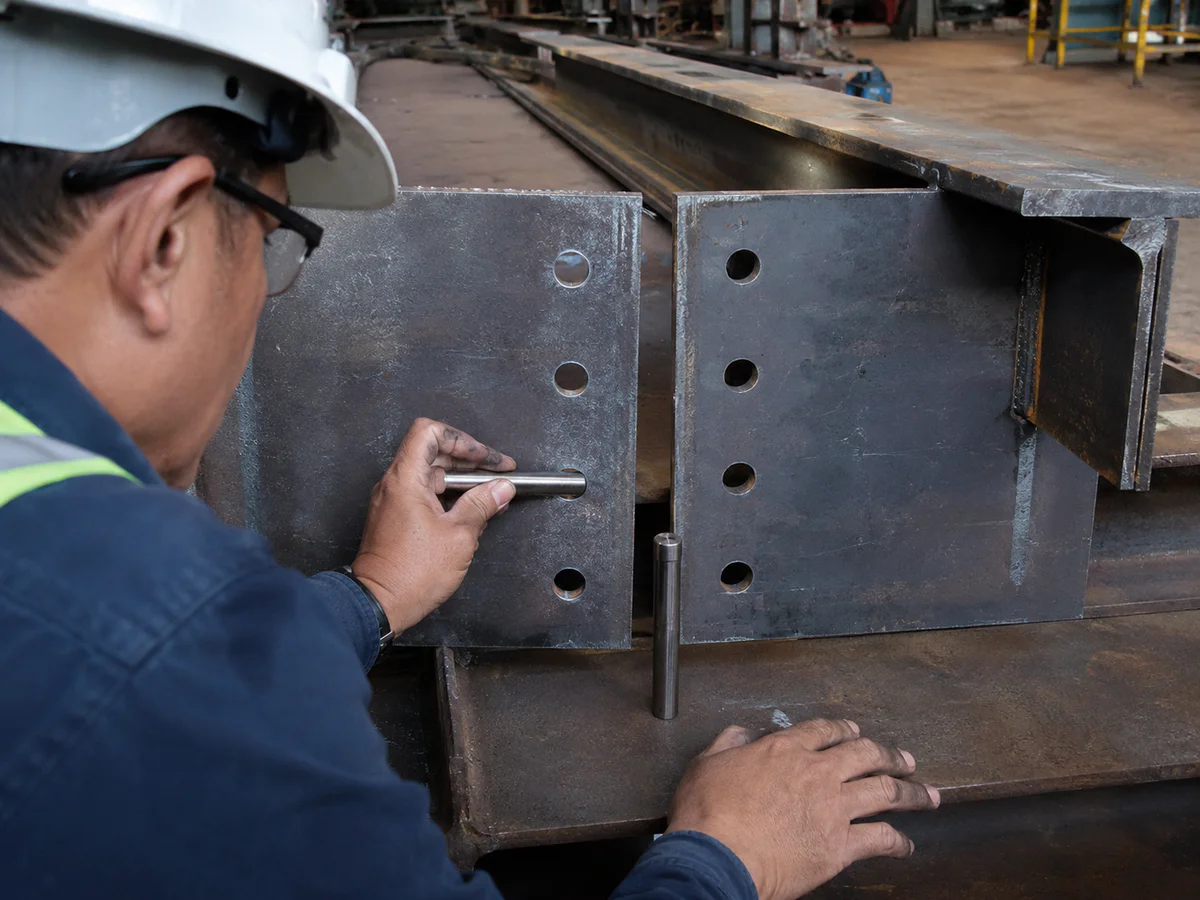
Why Manual Drilling Gets Harder to Control
For a few plates, manual marking and drilling works fine. But once your plates have many holes, repeated layouts or a new drawing every project, the real problem is no longer making holes. It's keeping every plate consistent.
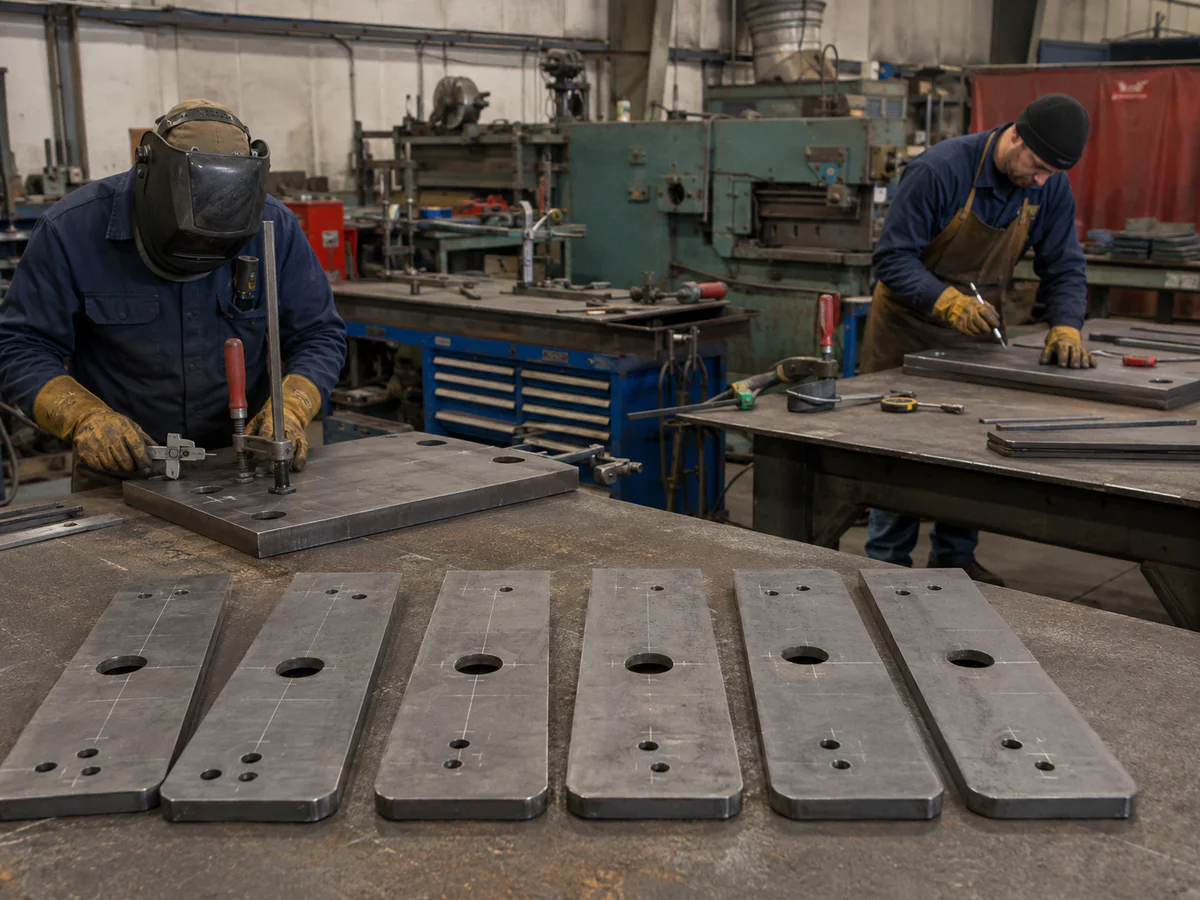
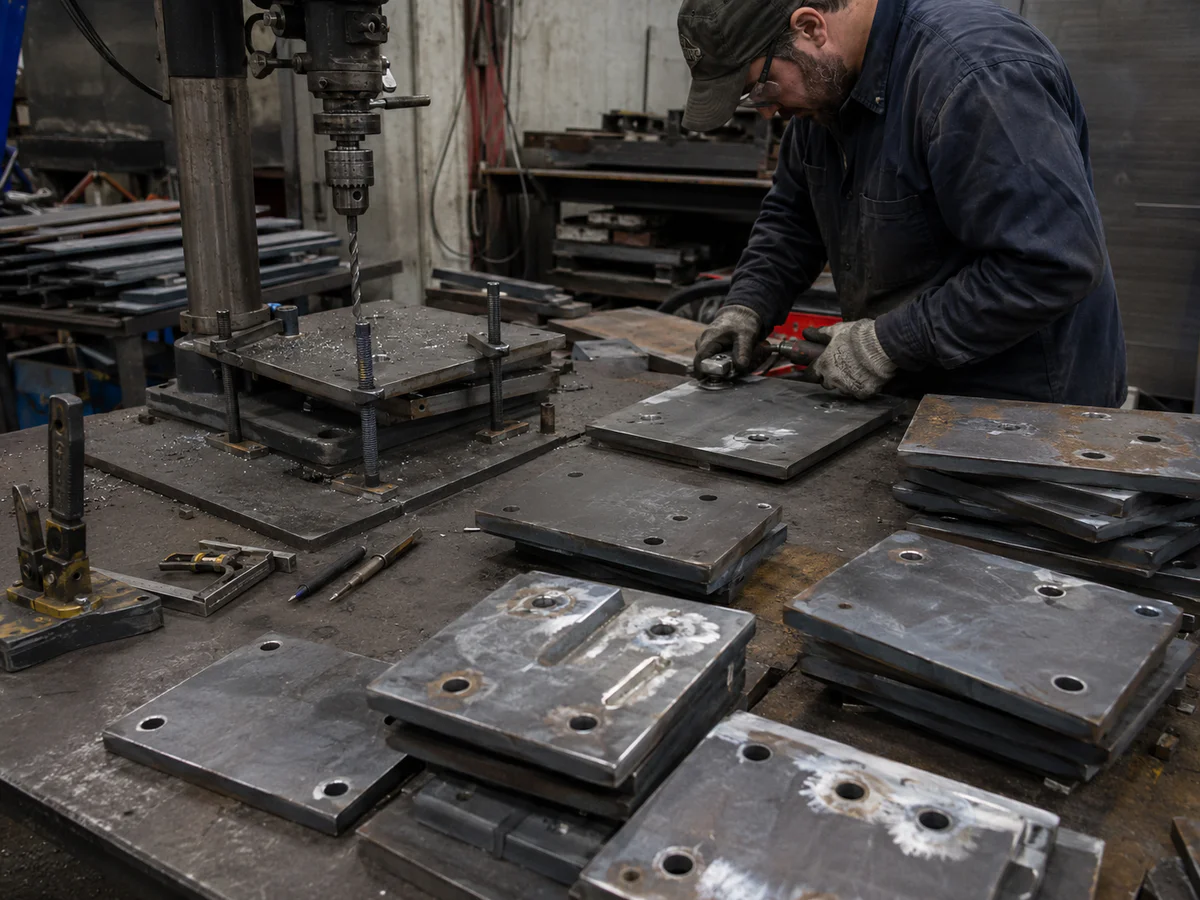
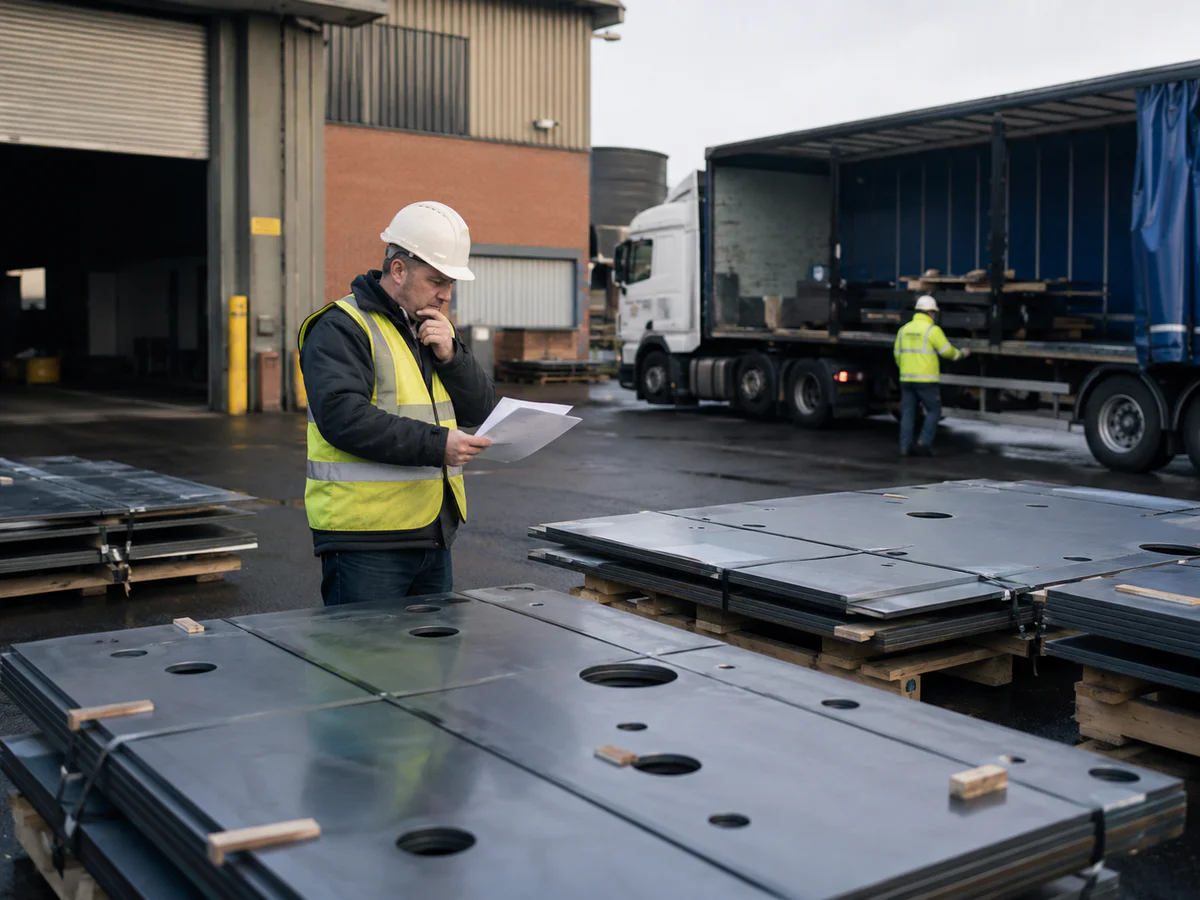
Let Us Check Your Plate Before You Decide
If your production keeps hitting repeated hole patterns, slow drilling, position errors or outsourcing delays, a hydraulic plate punching machine can make the whole process easier to control, as long as your plate thickness, hole size, material and layout suit punching. Send your plate drawing, thickness, material grade, hole diameter and hole quantity, and we'll check whether punching fits and which configuration makes the most sense.
Choosing the Right Machine Type
Not every plate punching job needs the same machine. The right type depends on your plate thickness, hole diameter, hole quantity, plate size, material grade and how you produce. Check your actual drawing first, not just machine size or price.
Basic Hydraulic Plate Punching Machine
Best for simple punching, small batches and plates with fewer holes. When your hole positions are easy to locate and your operator can handle the plate by hand, this gives you a straightforward punching solution without a full CNC system.
A good fit if your parts aren't too complex and your production doesn't need frequent drawing changes.
CNC Hydraulic Plate Punching Machine
Built for plates with multiple holes, repeated layouts and different project drawings. The CNC positioning system cuts out repeated manual measuring and keeps your hole layout under control across steel structure plates, gusset plates, base plates, connection plates and tower plates.
If you run many similar plates or frequent hole patterns, CNC positioning keeps your production consistent.
Plate Punching and Marking Machine
When your parts need identification marks before assembly, welding, packing or installation, this machine punches holes and adds marks in the same flow. Useful for project-based steel structure work, tower plates and power fittings that need clear identification later.
The right choice when plate tracking and assembly recognition matter to you.
Plate Punching and Drilling Machine
Punching is fast for suitable hole sizes and thicknesses, but it isn't the best method for every hole. When a plate is too thick, the hole too large, the material hard to punch or the quality requirement special, a combined punching and drilling solution is more practical.
Ideal when one line has to handle both standard punched holes and holes that don't suit punching.
Portable Hydraulic Punch
Made for simple on-site work, repair jobs and occasional punching. It isn't built for high-volume plate production or complex multi-hole layouts, but for single holes, installation work and flexible job sites it's a handy option.
If your main need is batch processing in a workshop, a fixed or CNC punching machine usually suits you better.
C-Frame Hydraulic Punching Machine
Often used for smaller plates, brackets, metal parts and simple punching. It's easy to operate and suits workshops processing different small parts, though you'll want to check plate size, throat depth, positioning method and punching force before you choose.
For larger plates or multi-hole layouts, a CNC plate punching machine is usually the better fit.
How to Choose Your Machine Type
A few simple holes? A basic hydraulic punch may be enough.
Many holes, repeated layouts or changing drawings? Consider CNC positioning.
Parts need marks before assembly? Punching and marking is useful.
Some holes too large or too thick to punch? A punching and drilling solution fits.
Send your plate drawing, material grade, thickness, hole diameter, hole quantity and plate size, and we'll help you check which machine type is the most reasonable for your production.
Check Your Plate Drawing First
Before you choose a hydraulic plate punching machine, your plate drawing should be checked carefully.
Punching force, machine structure, tooling and positioning method all tie back to your actual plate requirement. A machine that works well for one plate may not suit another with different thickness, hole diameter or material strength.
That's why we recommend confirming your plate details before quotation, so the configuration you get is built around your parts, not a generic spec.
What We Need to Check
Each detail on your drawing changes how the machine is configured. Here's what we confirm before quoting, and why each one matters for your parts.
| Requirement | Why It Matters |
|---|---|
| Plate Thickness | Drives the punching force and which machine fits your work. |
| Hole Diameter | Larger holes need more force and the right tooling. |
| Material Grade | Carbon steel, stainless steel and aluminum each punch under different loads. |
| Plate Size | Sets the working table, throat depth and feeding method you need. |
| Hole Layout | Multi-hole plates may call for CNC positioning or a positioning system. |
| Hole Quantity | More holes usually demand higher efficiency and better repeatability. |
| Edge Distance | Holes too close to the edge can affect punching quality. |
| Plate Flatness | Uneven plates can throw off positioning and hole accuracy. |
| Production Quantity | Small batches and repeated runs may need different configurations. |
Plate Thickness
Drives the punching force and which machine fits your work.
Hole Diameter
Larger holes need more force and the right tooling.
Material Grade
Carbon steel, stainless steel and aluminum each punch under different loads.
Plate Size
Sets the working table, throat depth and feeding method you need.
Hole Layout
Multi-hole plates may call for CNC positioning or a positioning system.
Hole Quantity
More holes usually demand higher efficiency and better repeatability.
Edge Distance
Holes too close to the edge can affect punching quality.
Plate Flatness
Uneven plates can throw off positioning and hole accuracy.
Production Quantity
Small batches and repeated runs may need different configurations.
Why These Details Are Important
If the punching force is too small, the machine may not punch smoothly, and your tooling can wear faster.
If hole diameter and plate thickness aren't matched properly, the hole edge, die life and machine load all take the hit.
If your plate has many holes or repeated layouts, manual positioning eats time and raises the chance of position errors.
If the plate is large, the machine table, throat depth and loading method need checking before you pick a model.
Send your plate drawing with thickness, hole diameter, material grade and quantity, and we'll match the force, tooling and positioning to your parts before you commit.
Punching Tools & Dies
Punching quality isn't just about the machine body or hydraulic force. Your punch, die, die clearance, material thickness and hole shape all shape the final result.
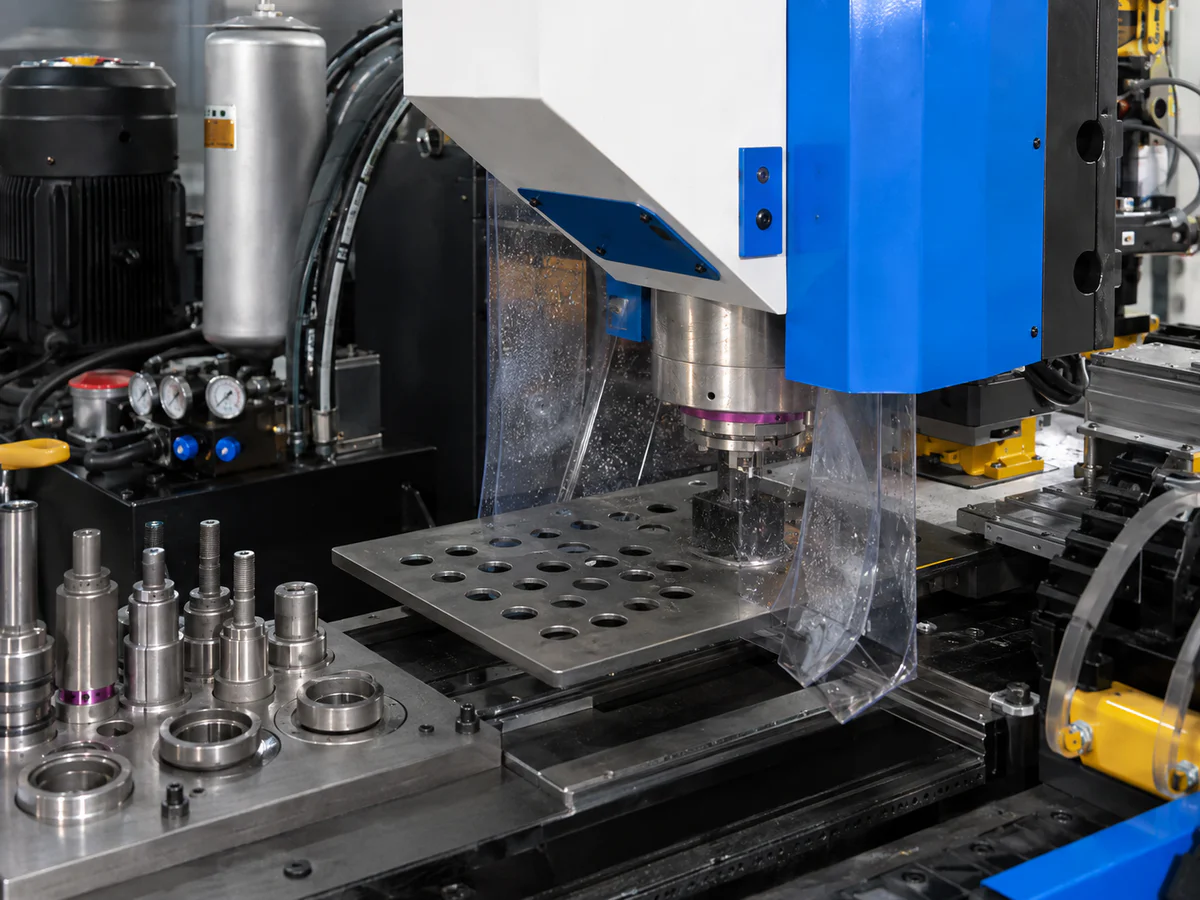
The Right Tooling Keeps Punching Stable
For different plate materials and hole sizes, your tooling should be selected carefully. A suitable punch and die improves hole consistency, cuts down unnecessary wear and keeps the whole punching process stable.
Send us your hole shape, hole size and material thickness together, and we'll configure the tooling around your actual parts.
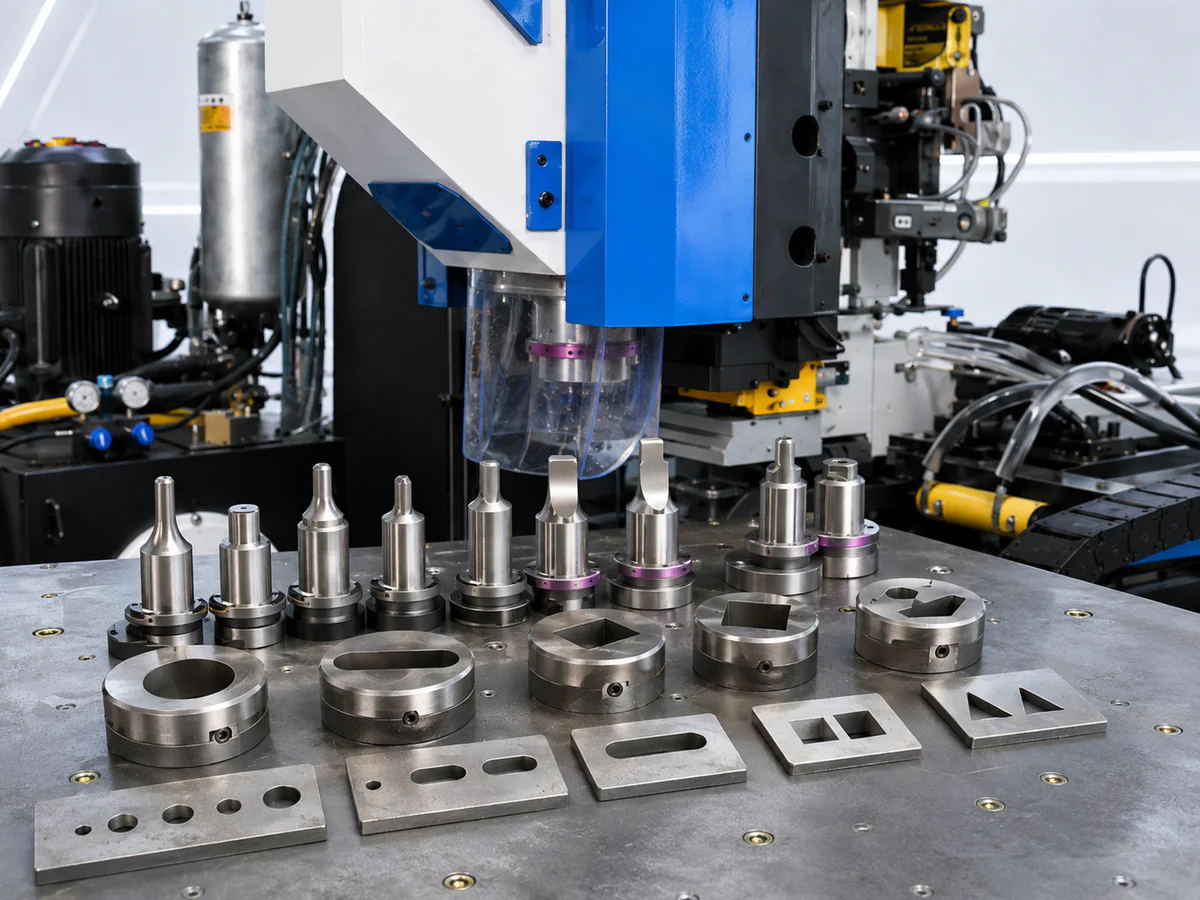
Tooling for Different Hole Shapes
Your machine can be set up with different tools to match the drawing, from round holes to slotted holes and other shapes. Check the hole shape, size and material thickness together before you confirm the machine.
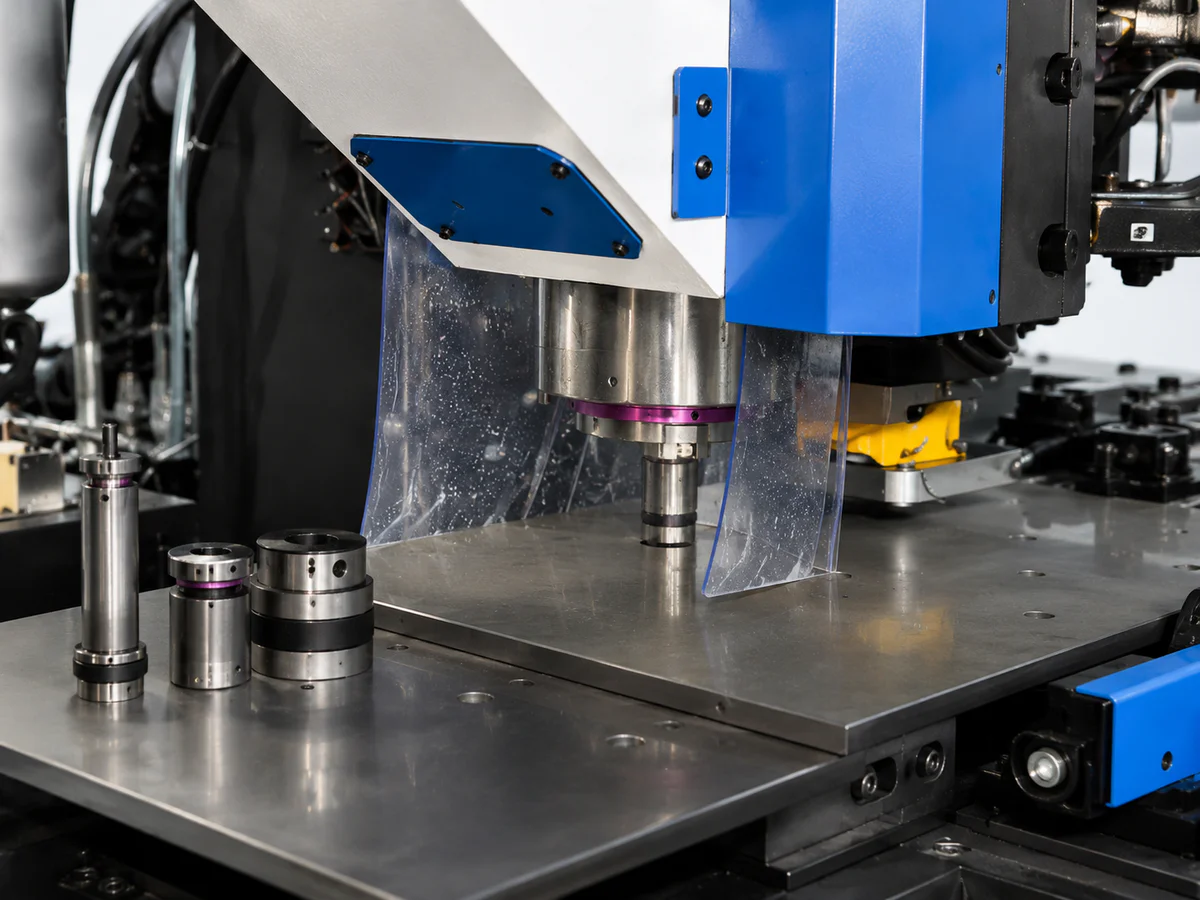
Punch and Die Matching
The punch and die should match your hole diameter, plate thickness and material grade. Get it wrong and you risk a poor hole edge, faster tool wear and more load on the hydraulic system, and it matters even more on thick plates or hard materials.
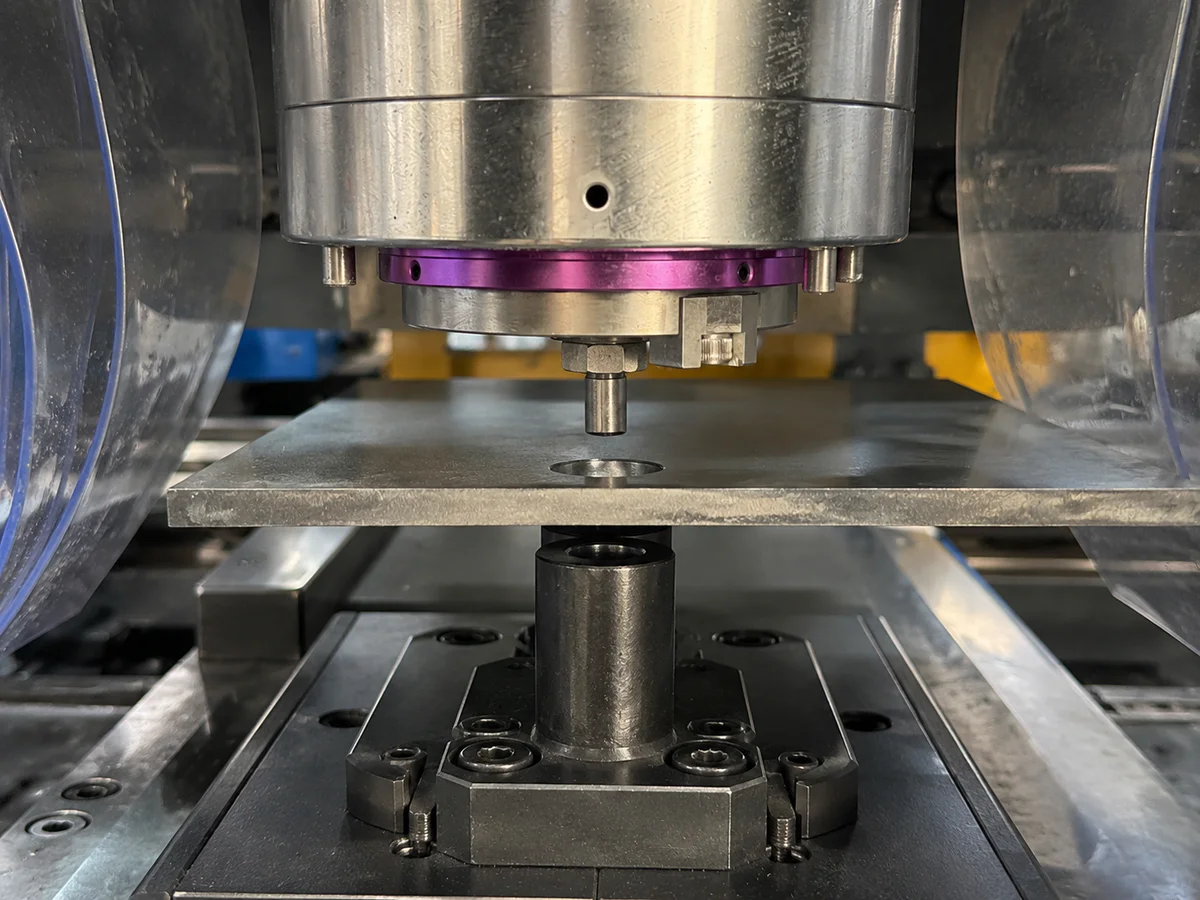
Die Clearance
Clearance is the gap between punch and die, and it drives punching force, hole edge quality, burr condition and tool life. Different materials and thicknesses need different settings, so tooling shouldn't be picked by hole diameter alone.
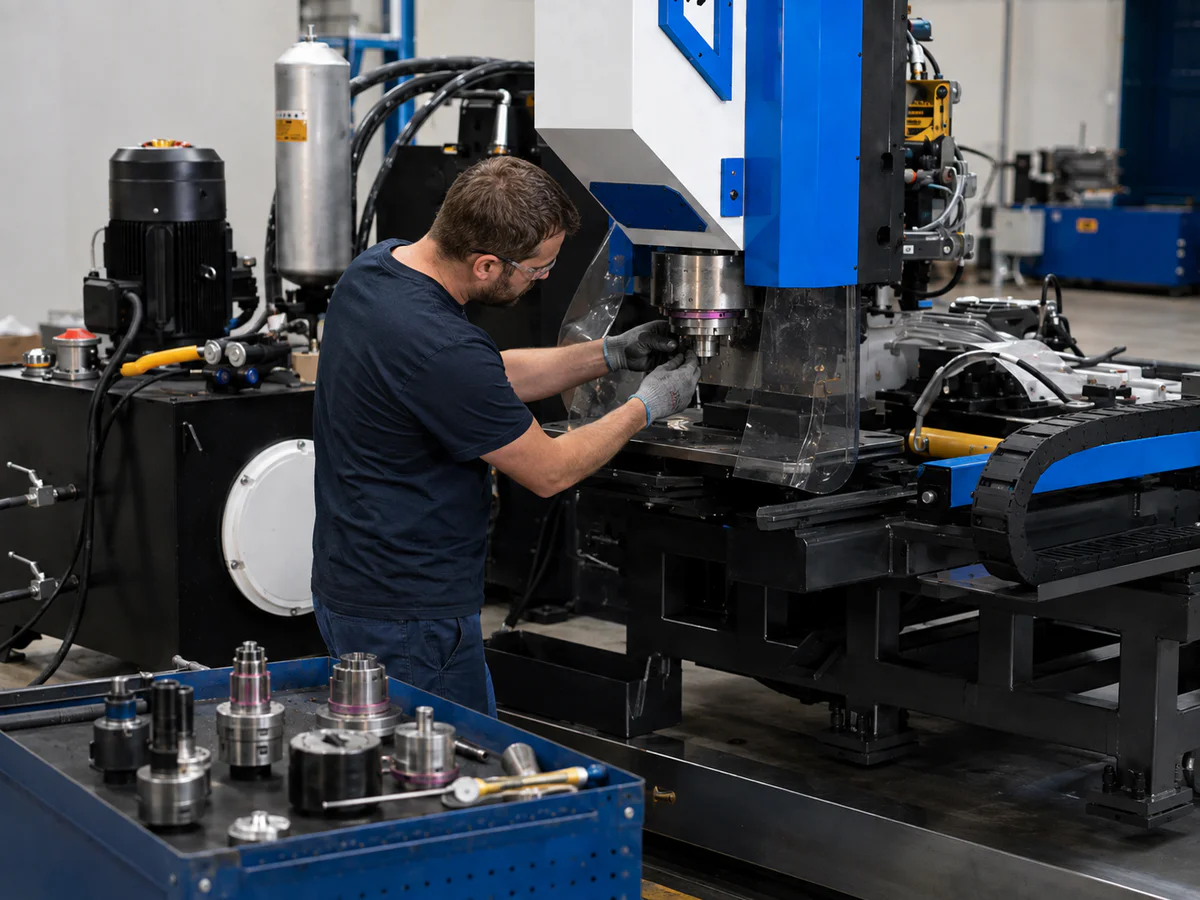
Tool Replacement
Punches and dies are wear parts. Their life depends on material, plate thickness, hole quantity, lubrication, clearance and daily operation. If you run repeated hole sizes, keep spare punches and dies on hand to cut downtime.
Need Custom Tooling?
If your plate uses special hole sizes or non-standard hole shapes, custom tooling may be needed. Send your plate drawing, hole dimensions, material grade and thickness, and we'll check whether the hole can be punched and recommend the right tooling configuration.
What Really Drives Your Output
Capacity isn't decided by punching speed alone. Real output depends on plate thickness, hole diameter, hole quantity, material strength, positioning, loading and batch size, so the same machine can perform differently on different plates.
Plate Thickness
Thicker plates need higher force and more stable tooling. Thin plates with suitable holes punch faster than drilling, but for thick or hard materials your punching load has to be checked first.
Hole Diameter
Larger holes demand more force, and the punch and die must match hole size and thickness. When the hole nears the punching limit, both speed and tooling life take a hit.
Hole Quantity Per Plate
One or two holes is a different job from many repeated holes. On multi-hole plates your positioning method matters most, and CNC positioning cuts repeated measuring and smooths the flow.
Hole Layout
Simple layouts process easily. Complex patterns add positioning, checking and plate movement time, so for drawings with many hole coordinates, CNC positioning keeps the process controlled.
Material Grade
Carbon steel, stainless steel and aluminum don't punch the same. Material strength changes punching force, die clearance, tool wear and hole quality alike.
Positioning Method
Manual positioning suits simple plates or small batches. For repeated layouts, multi-hole plates or project work, CNC positioning trims measuring time and keeps hole placement under control.
Loading and Unloading
Plate handling shapes capacity too. Large or heavy plates take more time to load, align and remove, so if you run many plates a day, weigh handling alongside machine speed.
Batch Size
Small and large batches call for different thinking. Small runs reward flexibility and easy setup; repeated production rewards positioning efficiency, tooling prep and a smooth operator workflow.
How to Estimate Your Capacity
Want an accurate production estimate? Send us the details on the right. With these in hand, we'll check your expected production flow and recommend the machine configuration that fits your output.
Send Us These Details
- Plate drawing
- Plate size
- Plate thickness
- Material grade
- Hole diameter
- Hole quantity per plate
- Batch quantity
- Positioning requirement
- Loading method (if available)
Tested Before It Ships
Testing confirms your machine, tooling and control system are ready before shipment. We check more than movement, covering hydraulic pressure, punch and die matching, positioning and the actual punching result.
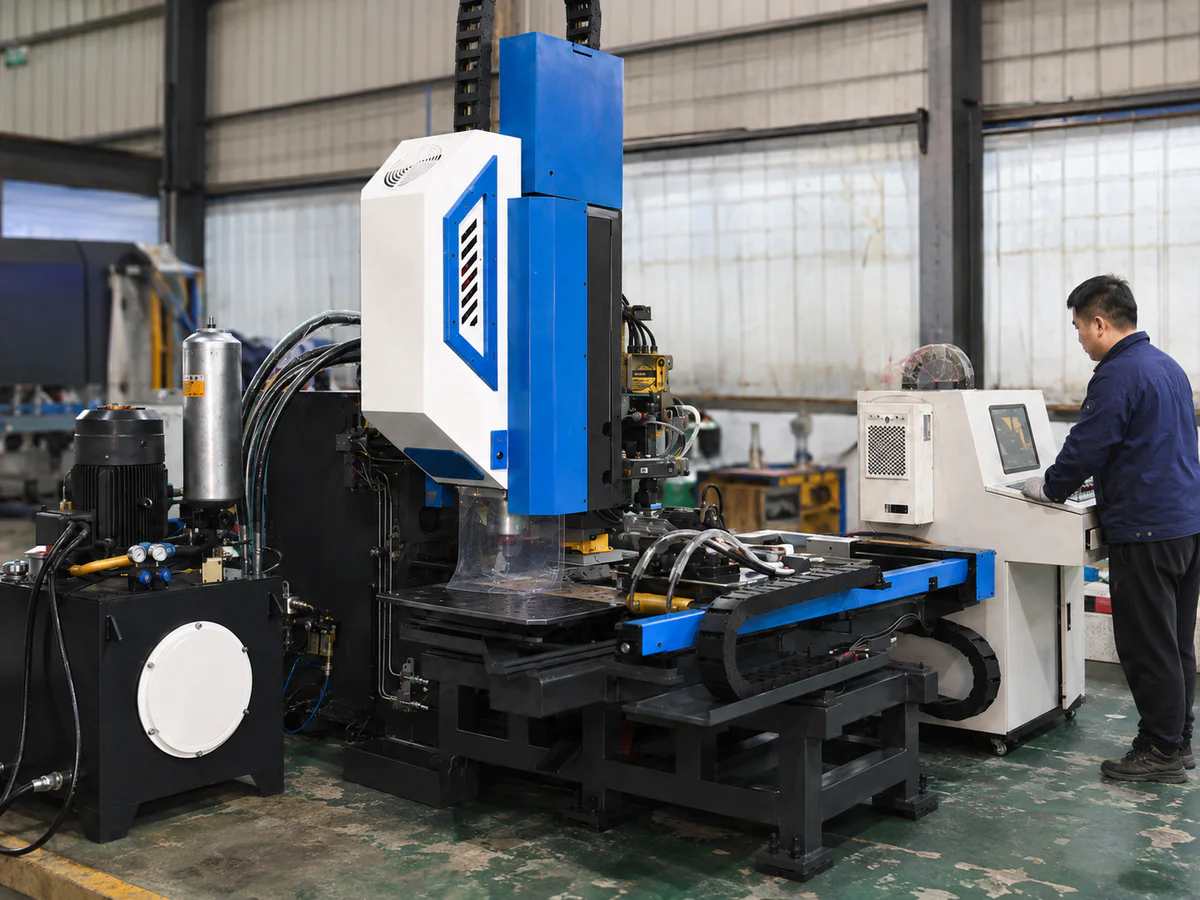
Machine Running Test
We check machine movement, punching action, operating buttons and the basic control functions before shipment.
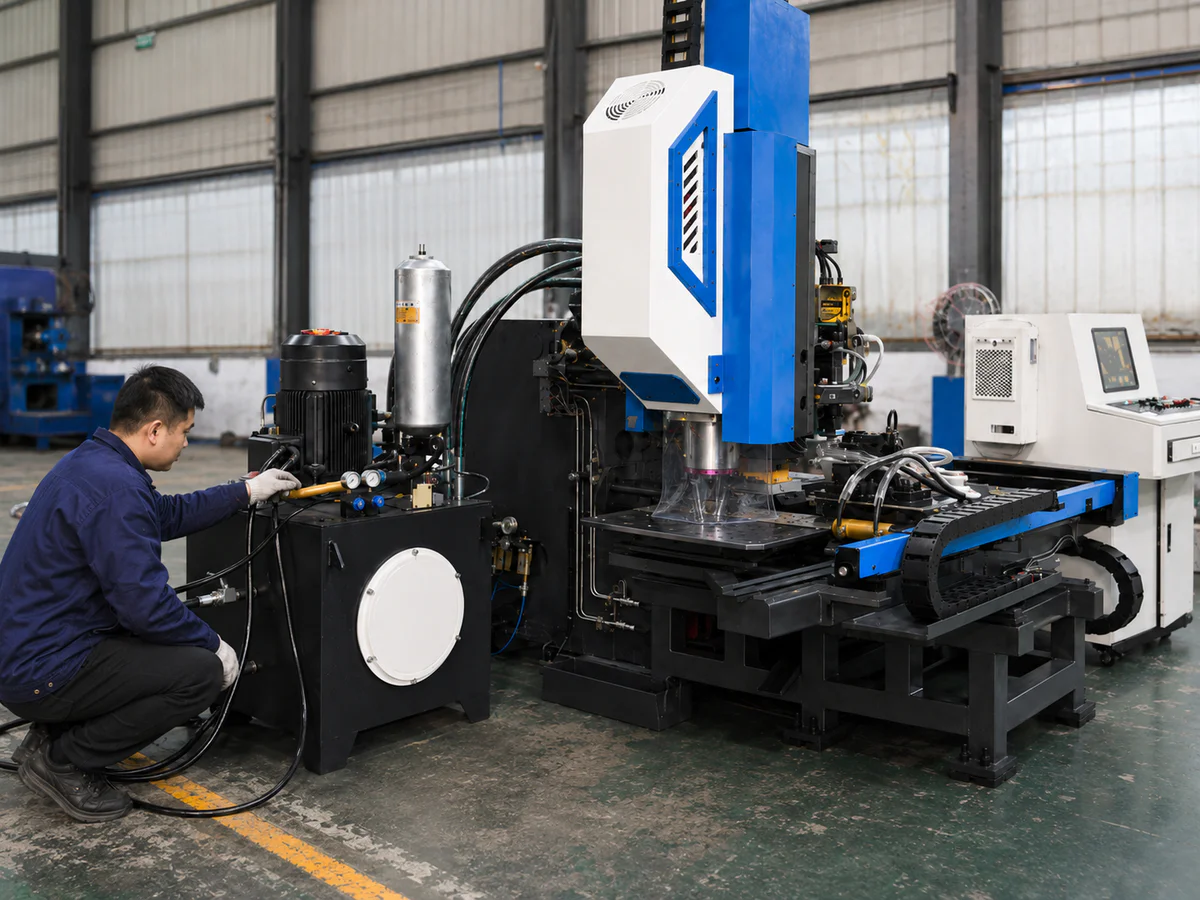
Hydraulic System Test
Hydraulic pressure, cylinder action, oil circuit movement and leakage points are checked for stable punching.
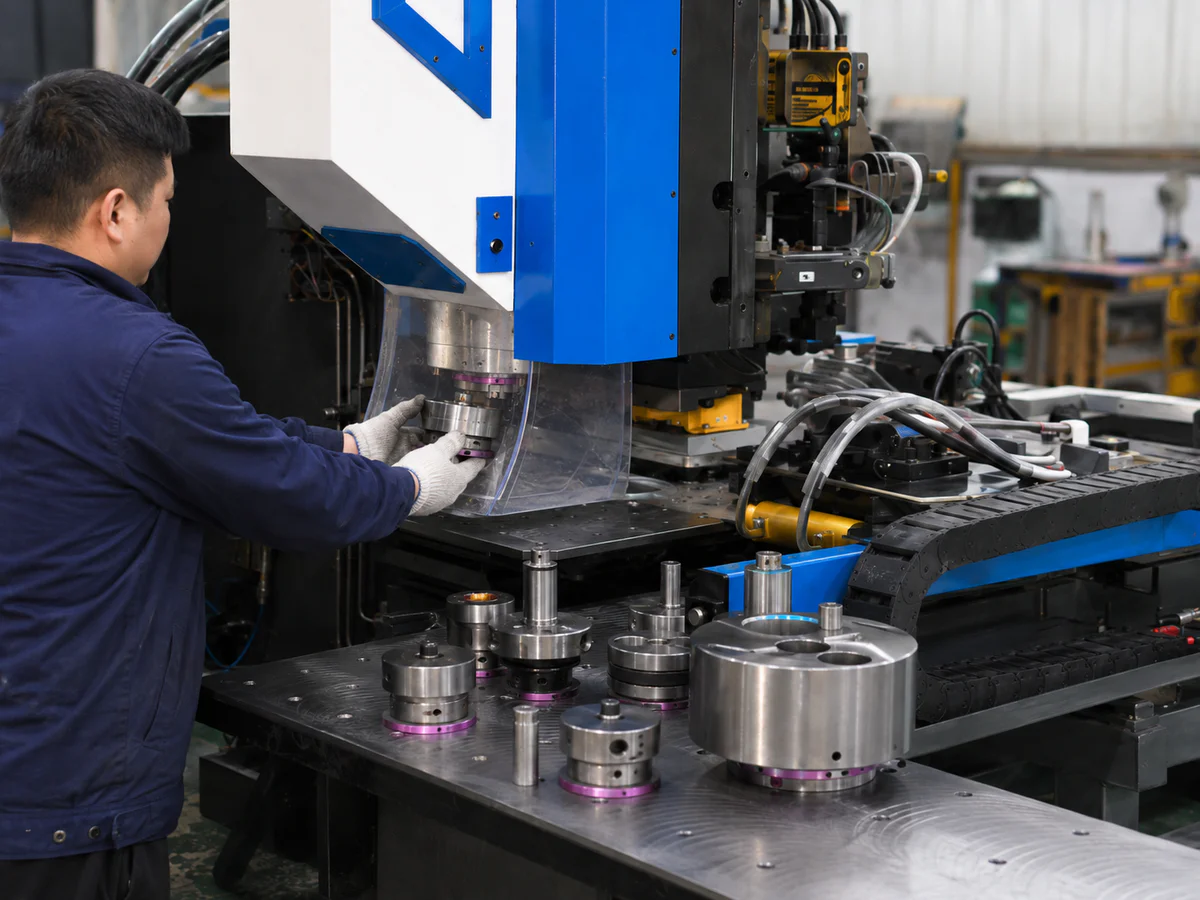
Tooling Check
Punch and die sets are checked against your selected hole size, plate thickness and material requirement.
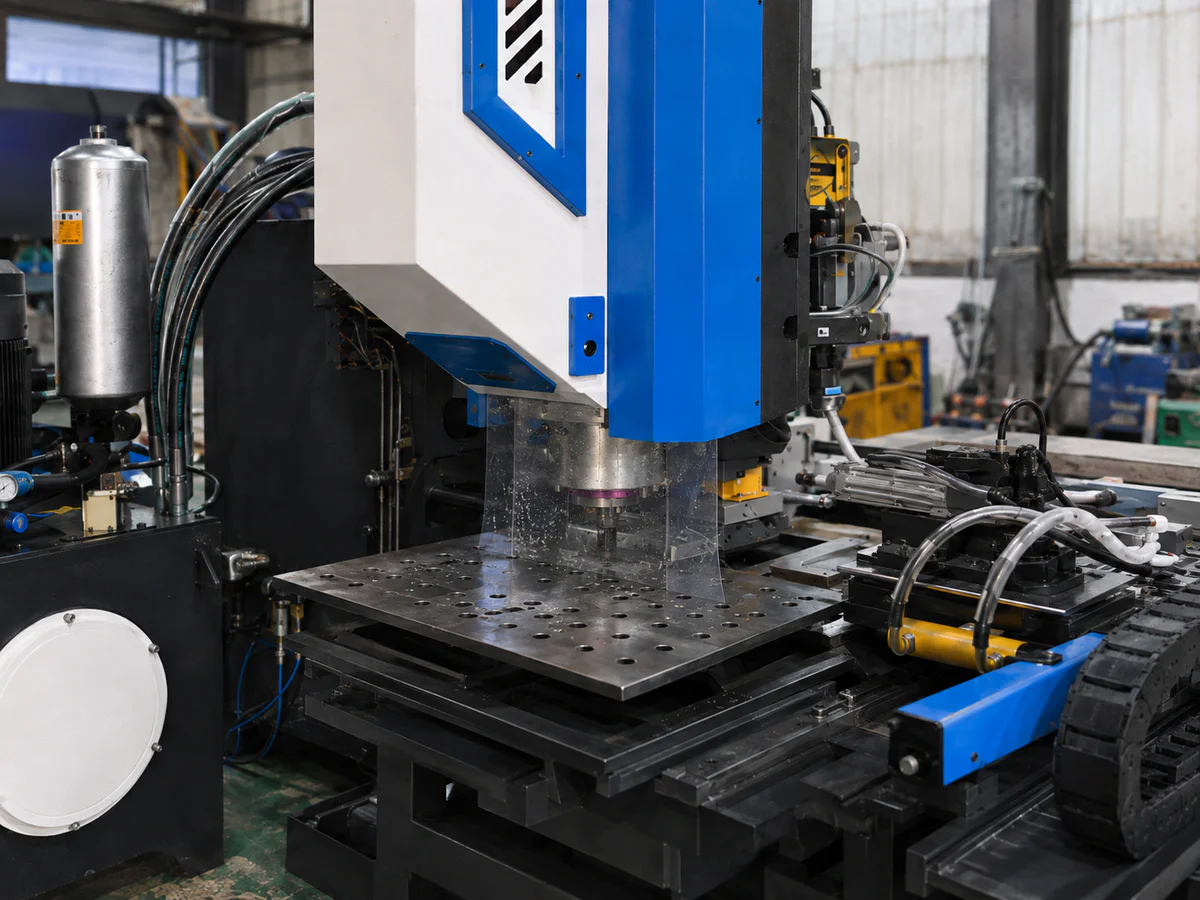
Sample Punching Test
When you share your drawing, hole size and material info, we can arrange a sample punching test on your spec.
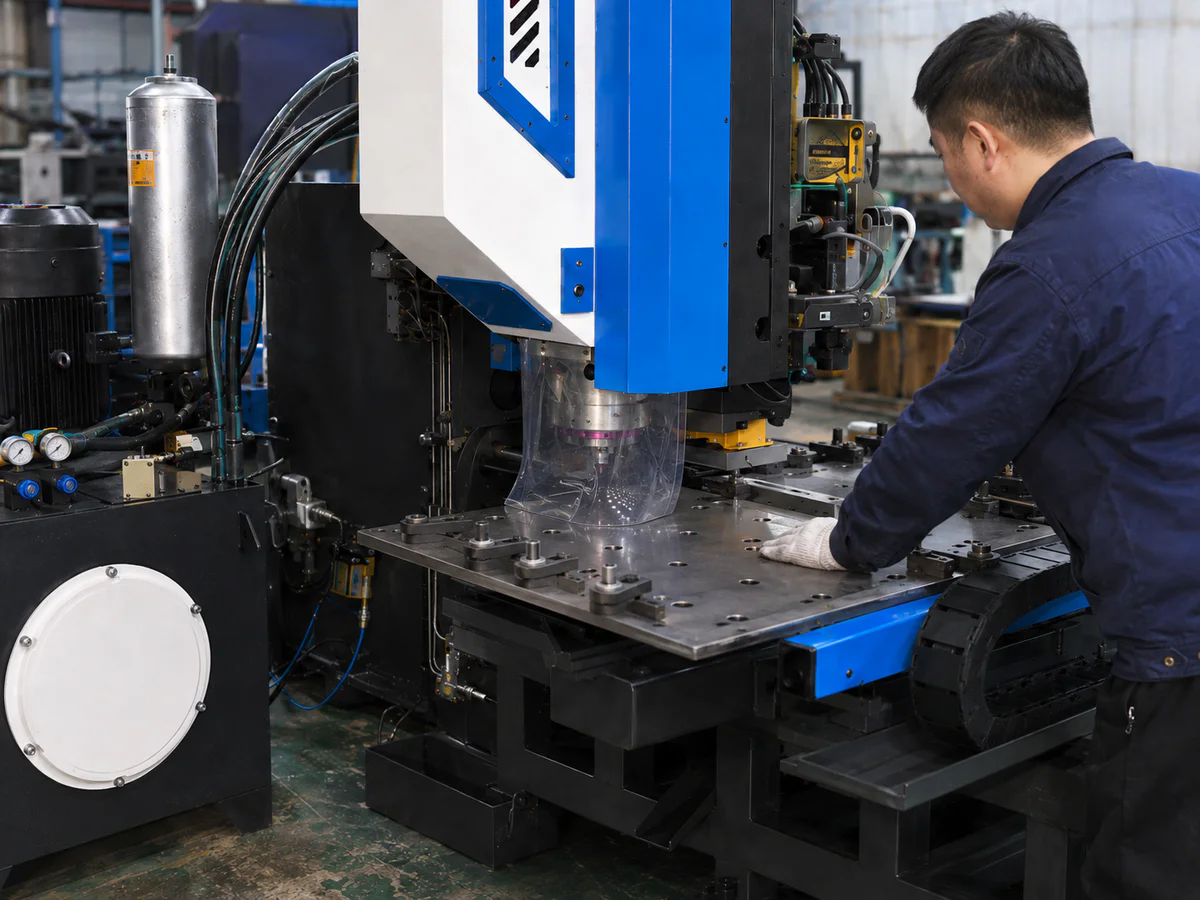
Positioning Check
For repeated holes or multi-hole plates, we check the positioning method and clamping process during testing.
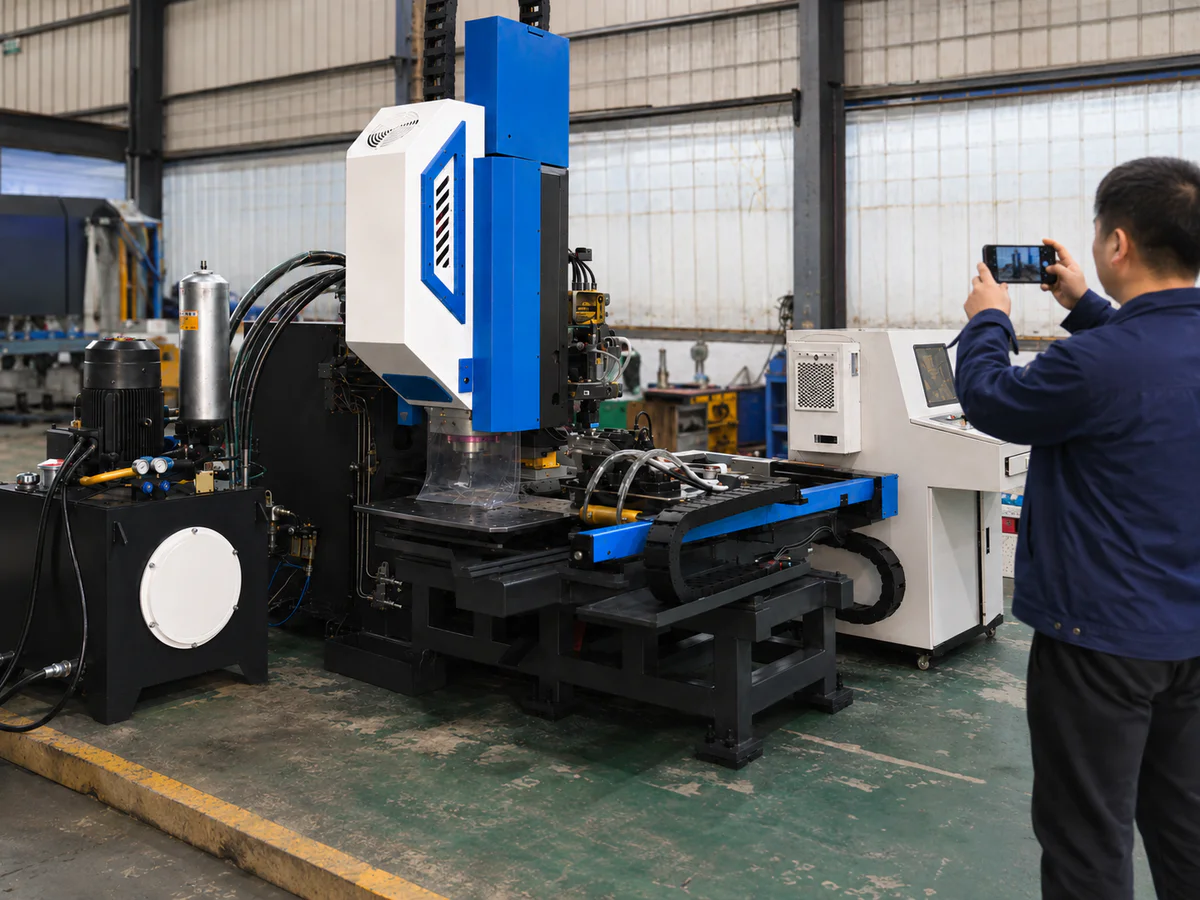
Test Video Confirmation
We can send photos and videos before shipment showing machine operation, punching result and the main configuration.
Before Testing, Send Us Your Specs
Share your plate drawing, thickness, material grade, hole diameter, hole layout and testing request, and we'll check the machine and tooling against your actual production needs.
Support That Doesn't Stop at Installation
After delivery, your daily operation, die replacement, hydraulic maintenance and spare parts all shape long-term production. We back you with practical support built around your machine configuration, tooling and punching requirements.
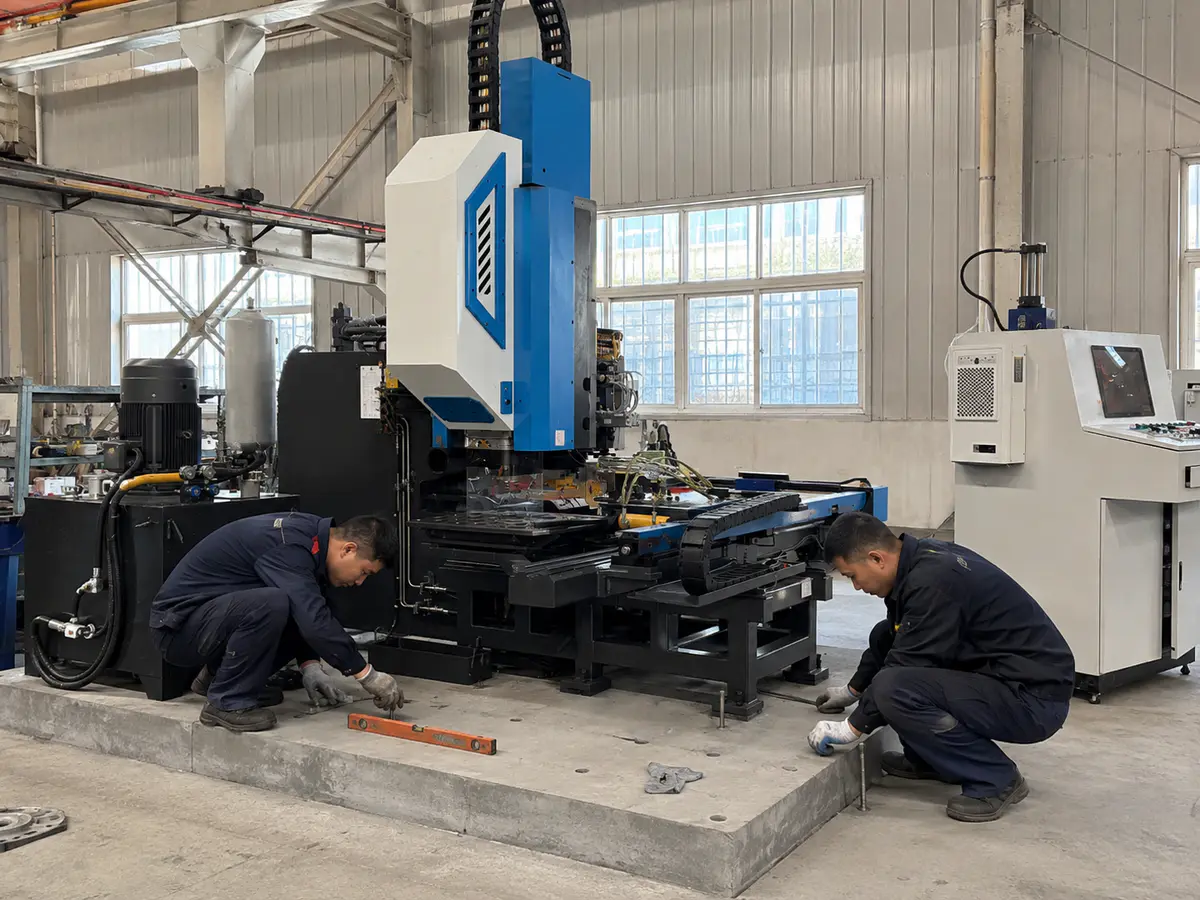
Installation Guidance
We guide installation around your machine type, foundation requirement, electrical connection and operating conditions, so the machine sits on a suitable working area and runs stable before production starts.
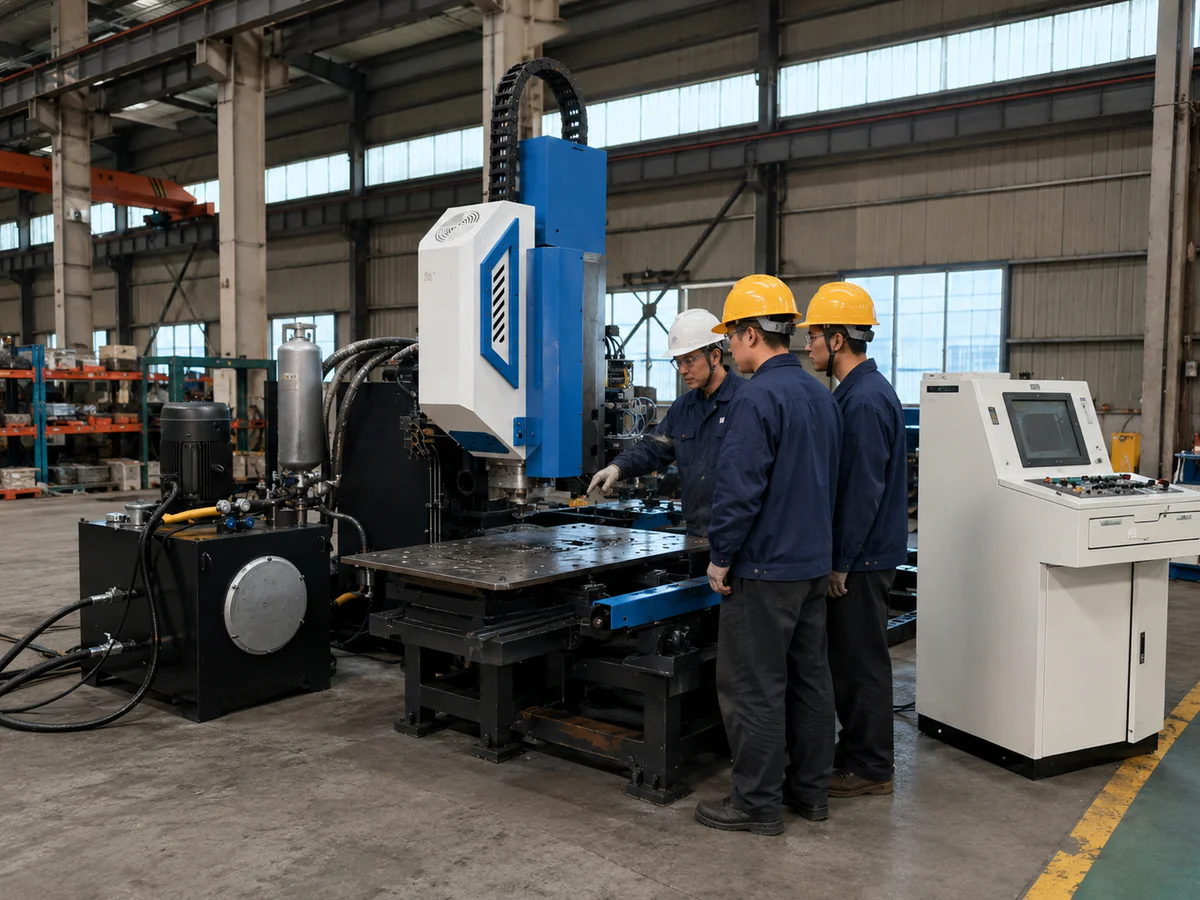
Operation Training
Your operators learn machine controls, plate positioning, punching steps, tooling use and daily safety points. Clear training cuts wrong operation and keeps your punching process easier to control.
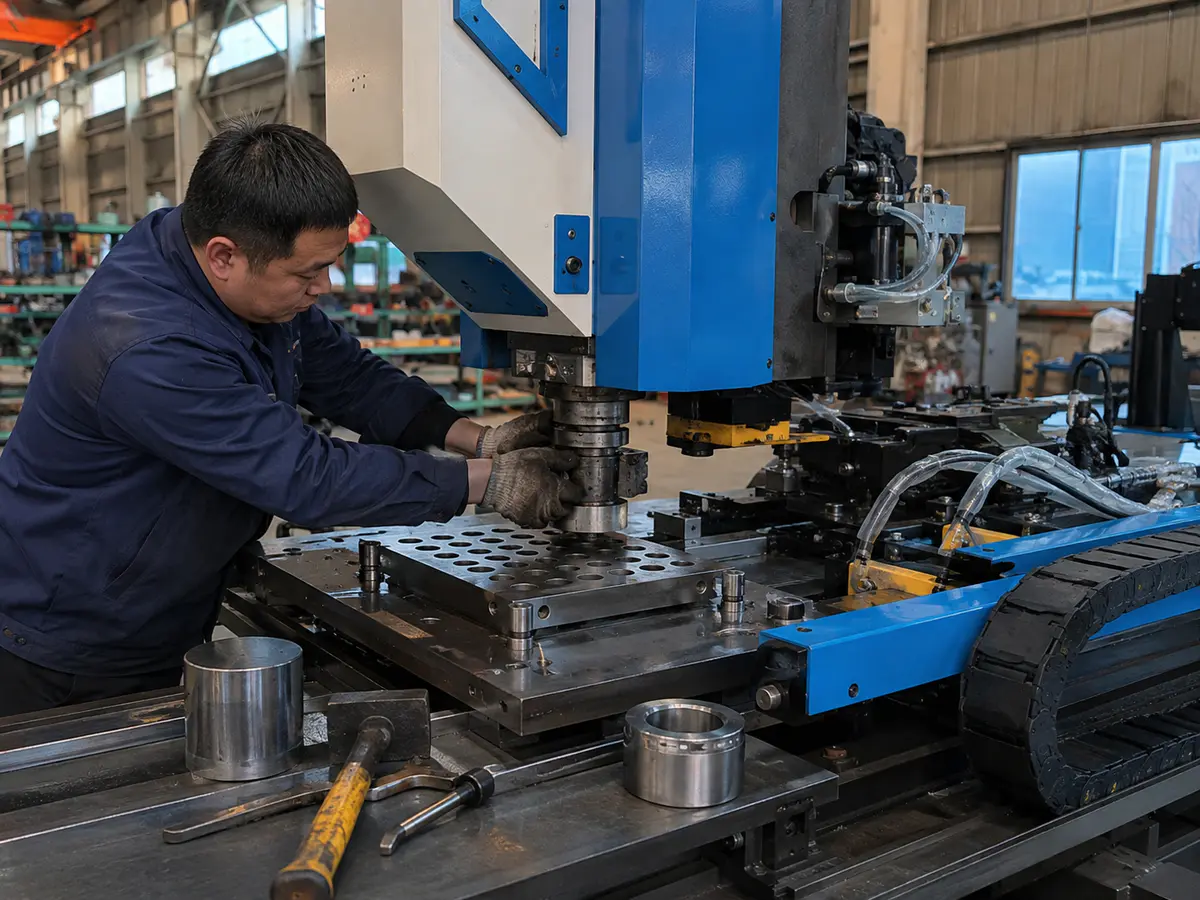
Die Replacement Support
Punches and dies change with hole size, hole shape and material thickness. We guide you through punch and die replacement, tooling matching and basic inspection before punching.
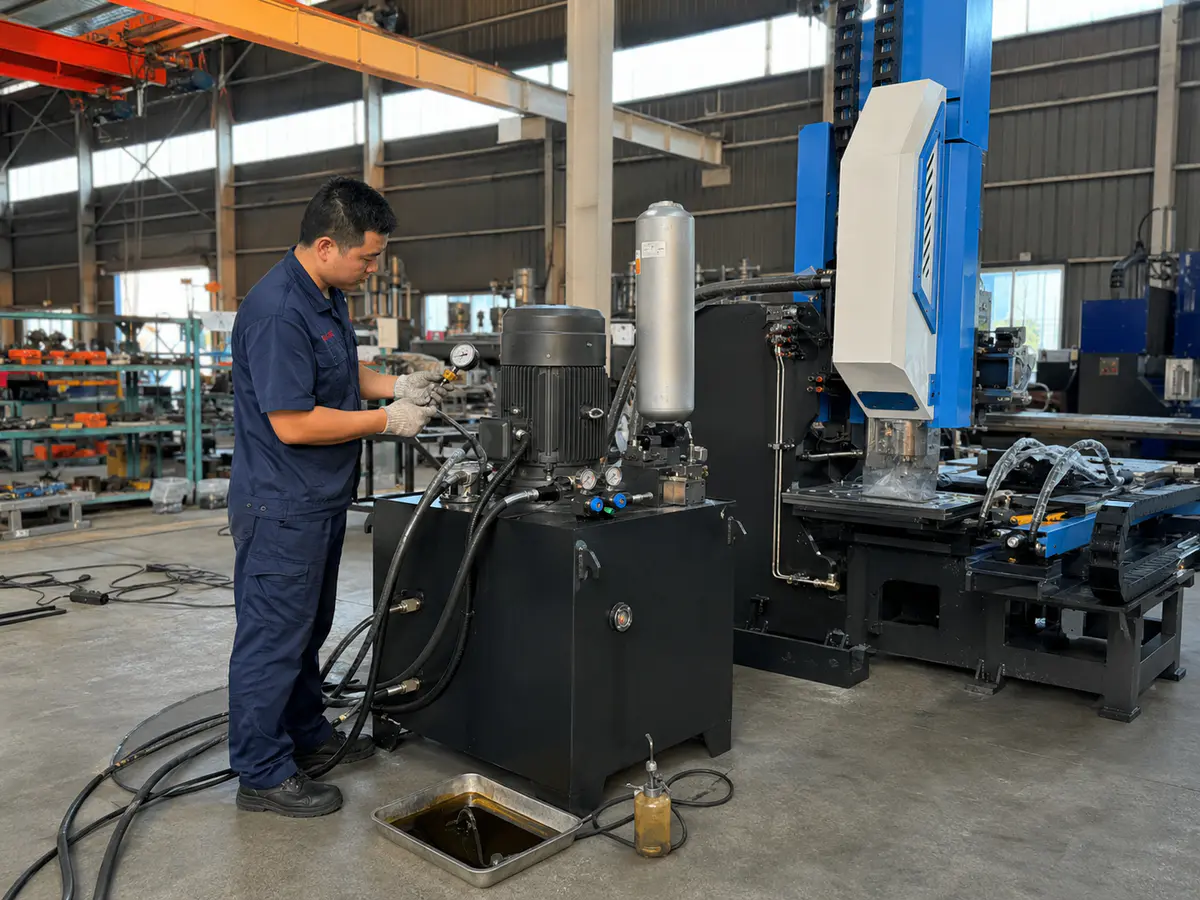
Hydraulic System Support
Stable punching force needs a well-kept hydraulic system. We support oil checking, pressure adjustment guidance, oil circuit inspection, cylinder condition checks and common troubleshooting.
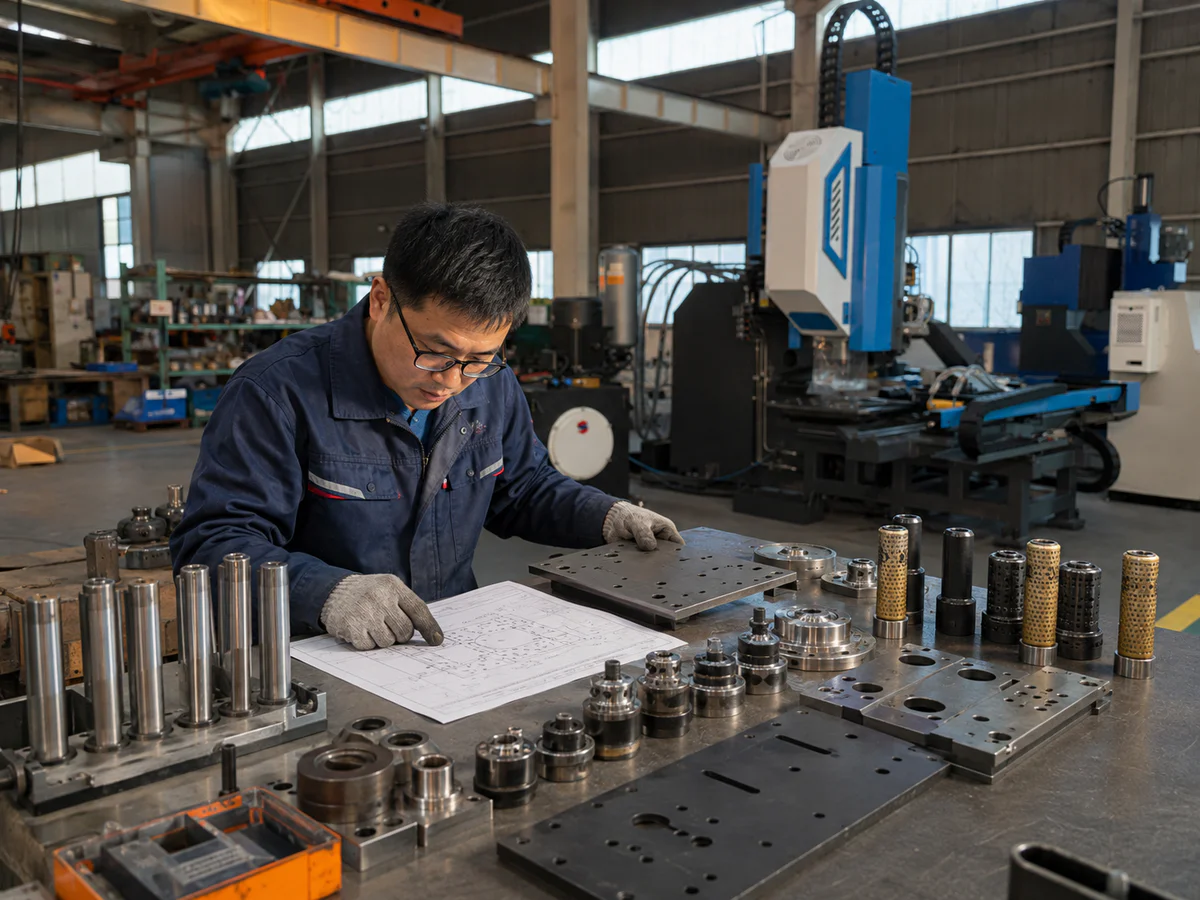
Tooling & Wear Parts Supply
Punches, dies and other wearing parts should be stocked to match your common hole sizes and production volume. We help confirm spare tooling from your plate drawing, material grade and hole requirements.
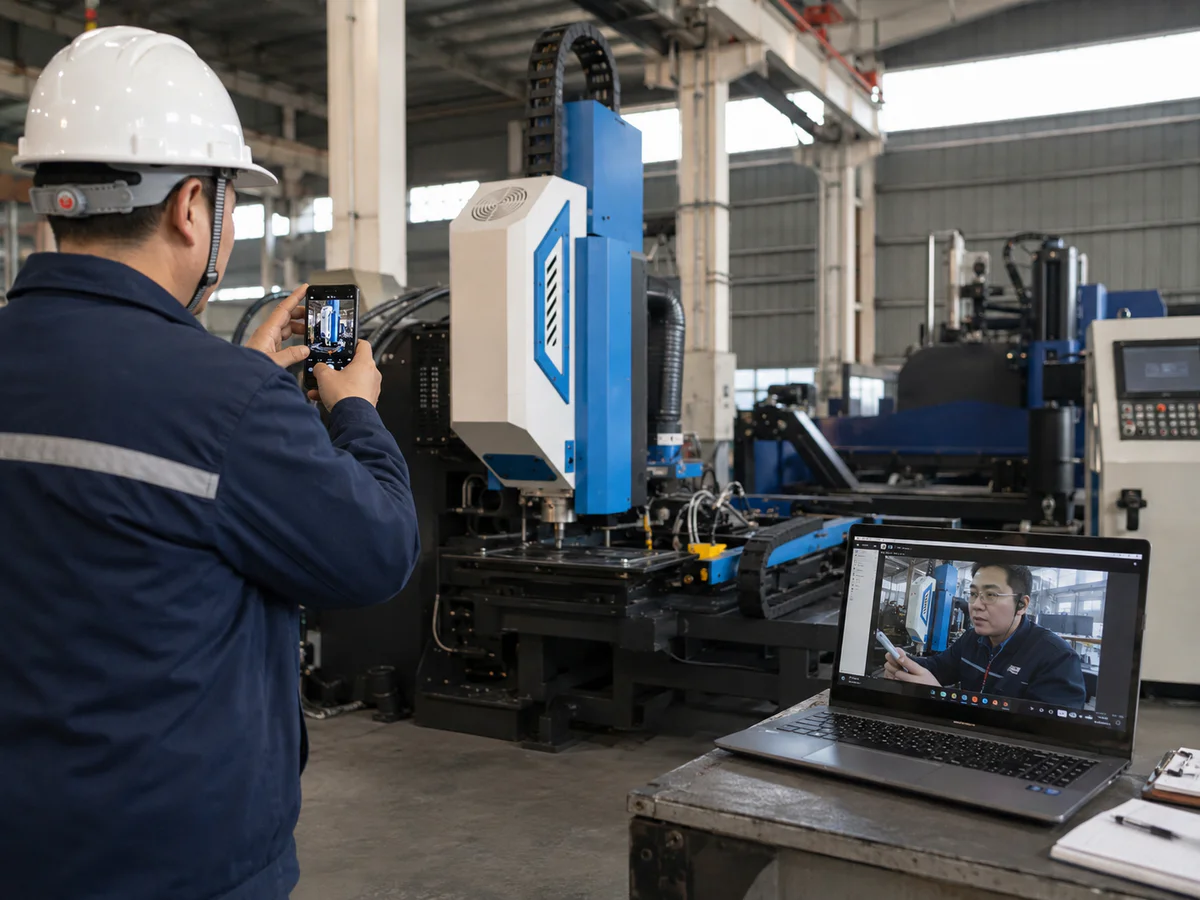
Remote Troubleshooting
Hit an issue? Send photos, videos and machine information, and we help pin down whether it's operation, tooling, hydraulic pressure, electrical control or machine adjustment.
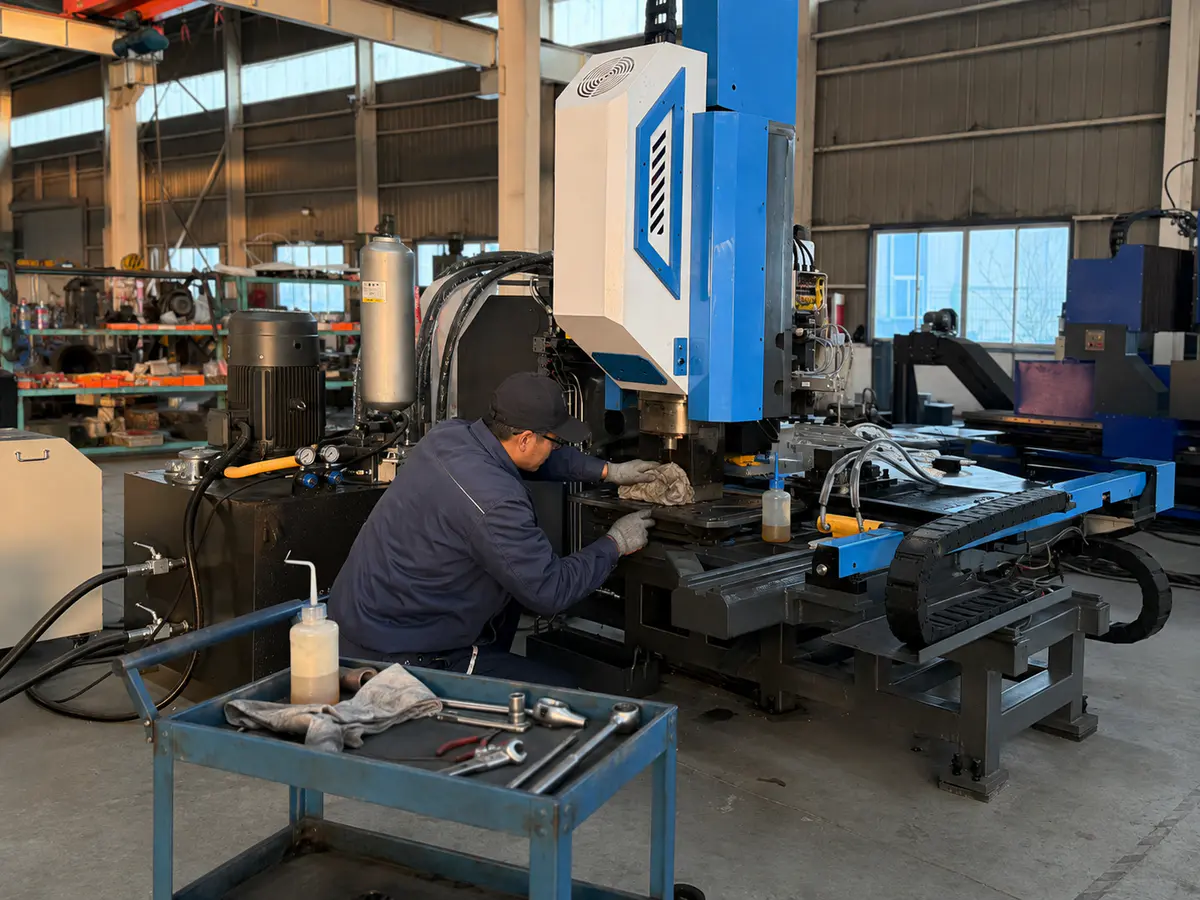
Maintenance Guidance
Daily maintenance extends machine life and cuts unexpected downtime. We guide lubrication, hydraulic checks, tooling inspection, cleaning and regular machine checks.
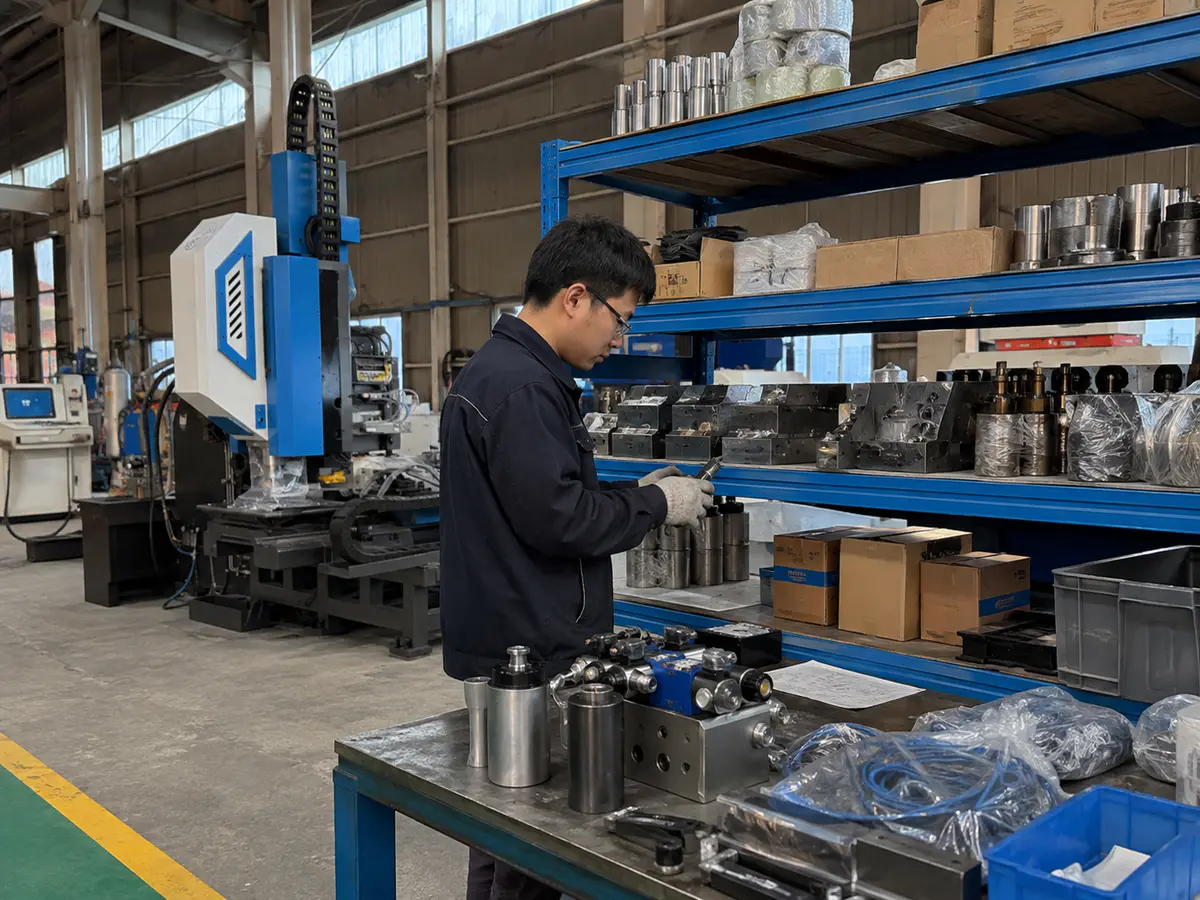
Spare Parts Support
For long-term use, parts availability matters. We provide spare parts support based on your machine model, tooling configuration and service condition.
Questions Buyers Ask Us
Lead time, punching force, tooling and testing, answered. If your question isn't here, send your plate drawing and we'll get you a clear answer.
Can this machine punch my plate thickness?
It depends on plate thickness, hole diameter, material grade and required punching force. Thicker plates and larger holes need more force, so before recommending a machine we check your drawing, material and hole size to confirm whether hydraulic punching suits your parts.
How do I choose the right punching force?
Force is set by plate thickness, hole diameter and material strength. Too little and punching gets unstable while tooling wears faster; far more than you need pushes up machine cost. Send your plate details and we'll help calculate the right force.
Can it punch different hole sizes?
Yes, by changing the punch and die sets. The available sizes depend on machine capacity, tooling configuration, plate thickness and material. For repeated production, keep spare tooling on hand for your common hole sizes.
Can it punch slotted or special holes?
Slotted holes and some special shapes can be made with suitable tooling. Feasibility comes down to hole shape, size, plate thickness, material and edge distance, so send your drawing and we'll check the tooling for you.
Do I need a CNC hydraulic punching machine?
If your plates have many holes, repeated layouts, changing drawings or strict position requirements, CNC positioning usually fits best. For simple plates with only a few holes, a basic hydraulic machine may be enough. It comes down to your layout and production method.
Can hydraulic punching replace drilling?
For many suitable holes, yes, especially repeated holes in steel plates, connection plates, gusset plates and base plates. Drilling can still win for very thick plates, very large holes, special materials or specific surface requirements. Send your drawing and we'll advise which method suits.
What affects punching quality?
Plate thickness, hole diameter, material grade, die clearance, tooling condition, edge distance and plate flatness all play a part. Correct tooling and the right machine matter most: if punch and die aren't matched properly, hole edge quality and tool life suffer.
How often do punches and dies need replacing?
They're wear parts, so life depends on material type, plate thickness, hole quantity, die clearance, lubrication and daily operation. For common hole sizes or high-volume production, we recommend preparing spare punch and die sets.
What information should I send before quotation?
Send your plate drawing, plate size, thickness, material grade, hole diameter, hole shape, hole layout, hole quantity per plate and batch quantity. With these we can check punching force, tooling, positioning method and the suitable machine type before quoting.
Can you test the machine before shipment?
Yes. We can arrange machine running test, hydraulic system test, tooling check and sample punching test before shipment. Share your drawing, material and hole details in advance and we'll prepare the test closer to your real production, with photos or videos before delivery.
Still have a question about your plate?
Send Your Plate, Get a Configuration
Tell me about your plate and production, and I'll come back with a machine configuration built around your actual parts, usually within 24 hours.
Henry
Sales Engineer · RITEC
I've helped buyers across 50+ countries spec hydraulic plate punching machines for steel structure, tower and fabrication work. I'm not here to push the biggest machine, I'm here to match the right force, tooling and positioning to your plate.
Send me your drawing and a few details, and I'll tell you honestly whether punching fits and what configuration makes sense for your production.
Henry