China Band Saws Factory
Metal cutting band saw machines for bars, tubes, pipes, profiles and structural steel materials.
Whether you cut solid bars, hollow tubes, structural profiles or repeated fixed lengths, you get a saw model, blade type and feeding solution matched to your work, so your cutting stays stable and accurate.
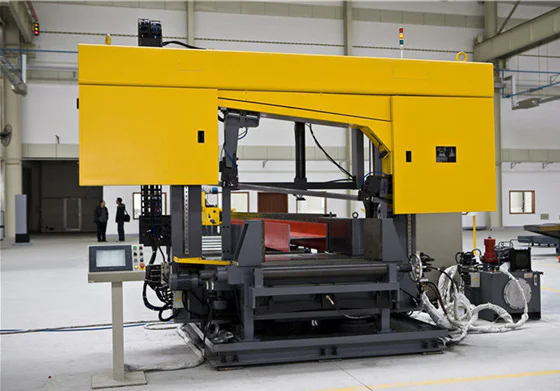
Find What You Need on This Page
Jump straight to what matters for your cutting job, from material capacity and automation level to blade life, miter cutting, and sending your requirements.
Choose by Cutting Job
Match the saw to bars, tubes, profiles or fixed lengths.
Material & Cutting Capacity
Round, square and bundle sizes each model can cut.
Manual, Semi-Auto or CNC?
Pick automation level by your daily cutting volume.
Clamping & Feeding Stability
Vises and feeders that hold work tight and square.
Cut Quality & Blade Control
Straight, burr-free cuts with proper blade guidance.
Blade Life & Cutting Cost
Cut your blade spend and downtime per ton.
Miter Cutting Options
Angle and double-miter cuts for frames and structures.
Maintenance & Spare Parts
Easy upkeep with spare parts you can get fast.
Why Choose Our Factory
18+ years, 500+ machines, support in 50+ countries.
FAQ
Lead time, payment, shipping and blade questions answered.
Send Cutting Requirements
Send your material and sizes, get a model match within 24h →
Choose by Cutting Job
Start with the material you cut most often. A suitable band saw should match your material shape, cutting size, cutting angle, cutting frequency and production method.
| Your Cutting Job | Suggested Saw Direction | Why It Helps |
|---|---|---|
| Solid bars and billets | Horizontal band saw | Suitable for straight cutting of round, square and solid metal stock. |
| Large solid materials | Double-column band saw | Better frame rigidity for heavy cuts and larger cross-sections. |
| Tubes and pipes | Horizontal or automatic band saw | Stable clamping and feeding help reduce vibration and length errors. |
| Beams, channels and angles | Miter cutting band saw | Designed for structural profiles and angle cutting requirements. |
| Repeated fixed-length cutting | Automatic feeding band saw | Helps improve cutting consistency and reduce manual handling. |
| Quantity-based batch cutting | CNC band saw | Suitable for repeated jobs with preset length and cutting quantity. |
| Bundle cutting | Automatic band saw with bundle clamping | Helps keep multiple pieces stable during feeding and cutting. |
| Irregular or contour cutting | Vertical band saw | Better for flexible cutting paths, trimming and non-straight cuts. |
| General workshop cutting | Semi-automatic band saw | A practical choice for mixed materials and regular workshop use. |
Solid bars and billets
Suitable for straight cutting of round, square and solid metal stock.
Large solid materials
Better frame rigidity for heavy cuts and larger cross-sections.
Tubes and pipes
Stable clamping and feeding help reduce vibration and length errors.
Beams, channels and angles
Designed for structural profiles and angle cutting requirements.
Repeated fixed-length cutting
Helps improve cutting consistency and reduce manual handling.
Quantity-based batch cutting
Suitable for repeated jobs with preset length and cutting quantity.
Bundle cutting
Helps keep multiple pieces stable during feeding and cutting.
Irregular or contour cutting
Better for flexible cutting paths, trimming and non-straight cuts.
General workshop cutting
A practical choice for mixed materials and regular workshop use.
Not Sure Which Band Saw Fits Your Work?
Send us the material you cut, your sizes and your daily volume. You get a model, blade and feeding recommendation matched to your real cutting job, with no guesswork and no pressure.
Material & Cutting Capacity
A band saw's cutting capacity is not only about the largest number shown in the machine specification.
The right model should be checked against your material shape, maximum size, material grade, solid or hollow structure, cutting angle and clamping method, not one general capacity figure.
Material Shape
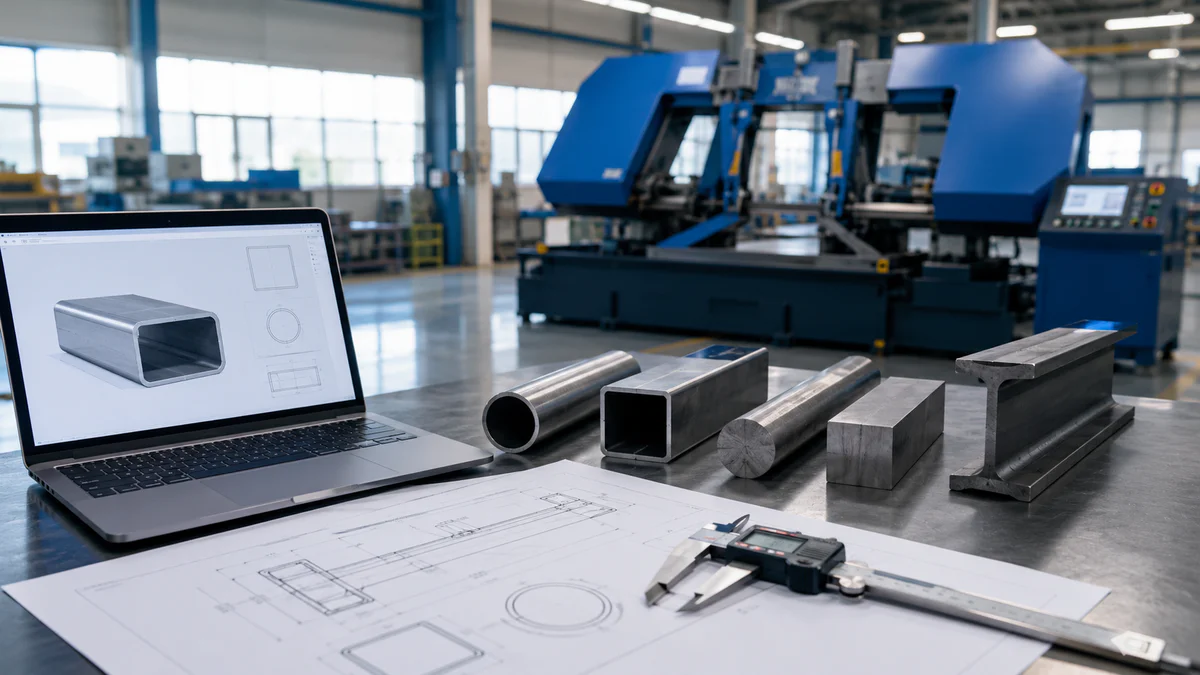
Round bars, square bars, flat bars, pipes, tubes, channels, angles and beams may each need different clamping and blade settings.
Solid or Hollow Material
Solid stock usually needs more machine rigidity and proper feed control. Hollow tubes and pipes need stable clamping to reduce vibration and deformation.
Straight or Miter Cutting
Cutting capacity can change at 45 degrees or 60 degrees. For angle cutting, check both the material size and the profile shape.
Single Piece or Bundle Cutting
Bundle cutting needs stable material support and bundle clamping. Without it, pieces may move during cutting and lose accuracy.
Material Grade
Carbon steel, stainless steel, aluminum and alloy steel may need different blade types, tooth pitch, cutting speed and coolant use.
Maximum Cutting Size
Check diameter, width, height, wall thickness or profile size against the material you actually cut, not just one general capacity number.
What You Can Send Us
Share these details and you get a tighter recommendation on machine capacity, blade selection, clamping method and feeding system, all matched to your cutting job.
Manual, Semi-Auto or CNC?
The right automation level depends on your cutting frequency, length repeatability, labor cost, material handling method and daily production volume.
You do not always need the most automatic machine. The better choice is the saw that matches your cutting workload without adding unnecessary cost or complexity.
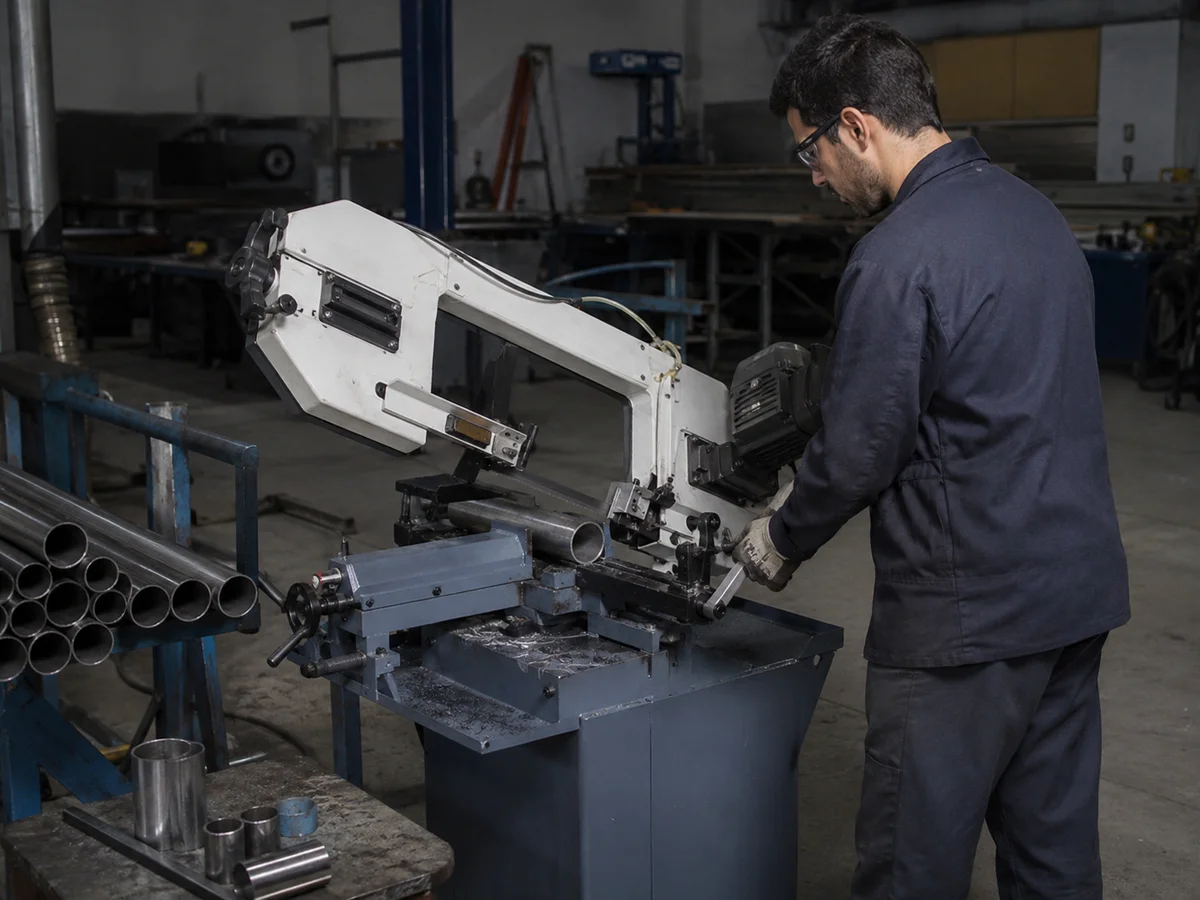
Manual Band Saw
Suitable for occasional cutting, repair work and low-volume workshop use.
Choose when: cutting jobs change often and daily output is not high.
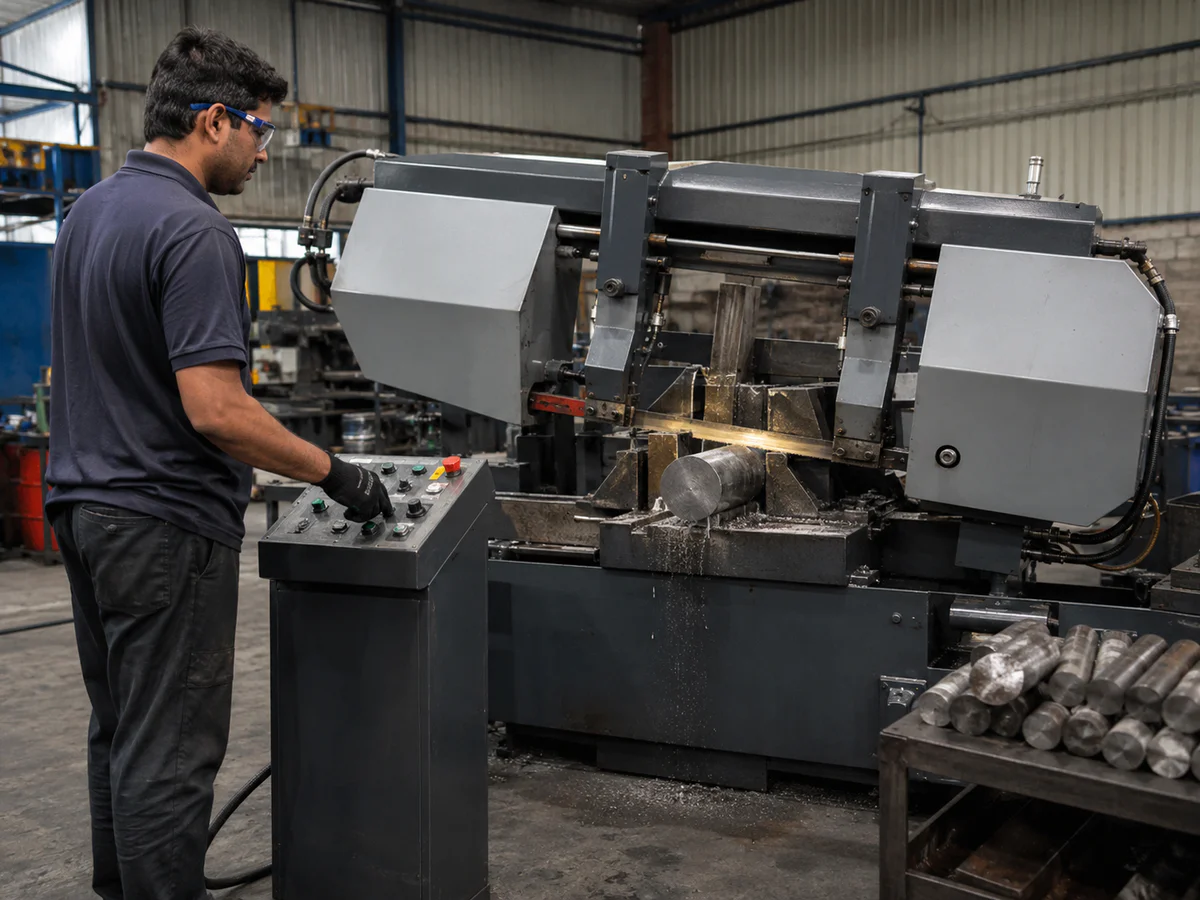
Semi-Automatic Band Saw
Suitable for regular workshop cutting with better control of clamping, cutting feed and saw frame return.
Choose when: you need more stable cutting than a manual saw but not automatic length feeding.
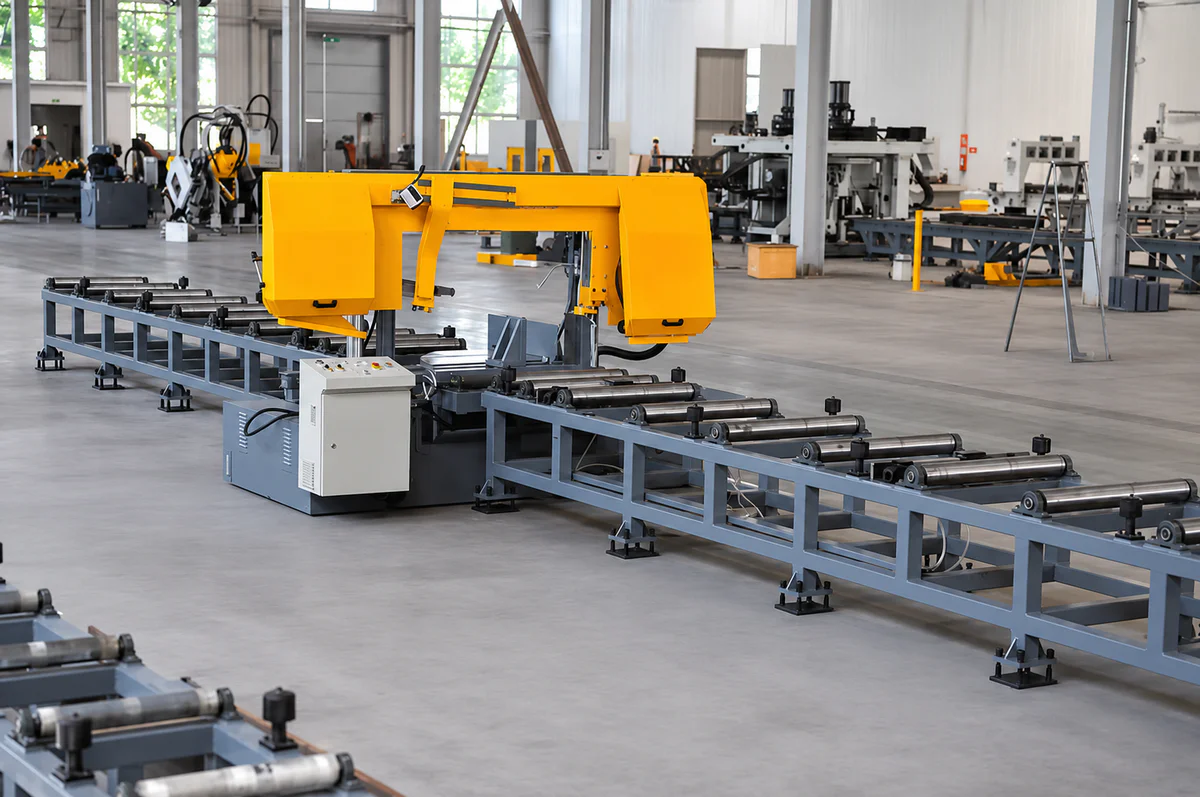
Automatic Feeding Band Saw
Suitable for repeated fixed-length cutting that runs the same length many times.
Choose when: operators cut the same length often and want to reduce manual feeding errors.
CNC Band Saw
Suitable for batch cutting by preset length and quantity with continuous production.
Choose when: you need multiple cutting programs and tight control of repeated jobs.
What You Can Send Us
To recommend a suitable band saw, send these details and you get a recommendation matched to your real cutting job.
Clamping & Feeding Stability
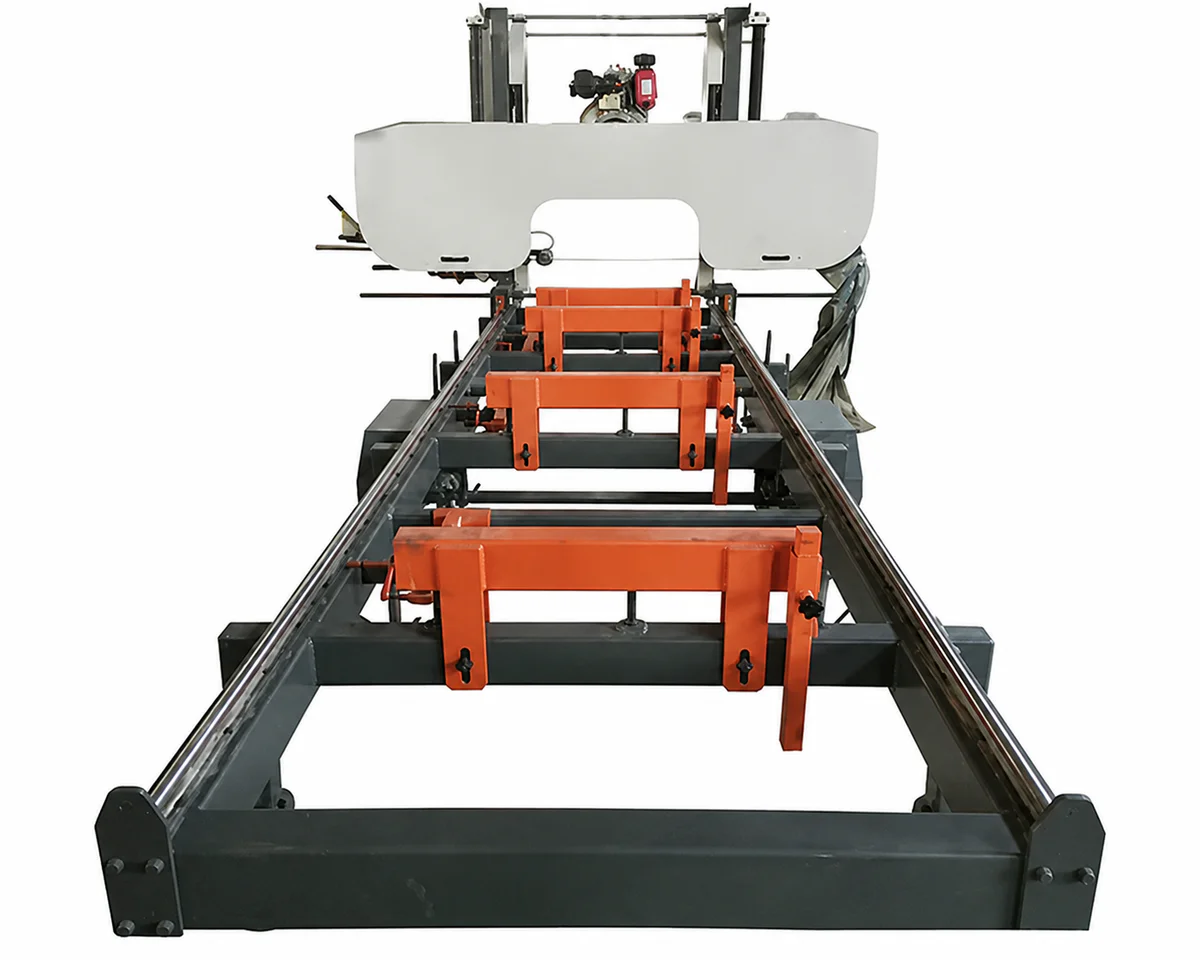
Stable cutting starts before the blade enters the material. Material support, vise clamping and feeding control all affect your cutting accuracy, blade life and production continuity.
If the material moves during cutting, you can end up with angled cuts, rough surfaces, blade damage, length errors or unstable bundle cutting.
Common problems caused by poor holding
Stability Points We Check
Before recommending a saw, you get these four holding and feeding points checked against your material, so your cutting stays stable from the first cut to the last.
Material Support
Long bars, tubes and profiles need proper support before and after the cutting area. Good support reduces vibration and stops the material dropping, bending or moving during cutting.
Vise Clamping
The vise should match the material shape and cutting method. Solid bars, hollow tubes, flat bars and structural profiles may need different clamping pressure and contact positions.
Feeding Control
For automatic and CNC band saws, feeding stability affects cutting length accuracy. The feeding system should move the material smoothly and hold it firmly before each cut.
Bundle Cutting Setup
Bundle cutting needs more than side clamping. Top or bundle clamping keeps multiple pieces stable during feeding and cutting, especially for tubes, bars and small profiles.
Tell Us How You Cut
Tell us if you cut single pieces or bundles, plus your material length, shape, maximum size and required cutting length. You get the right clamping method, feeding structure and material support option checked for your band saw.
Cut Quality & Blade Control
A straight and stable cut depends on more than machine capacity. Machine rigidity, blade guidance, blade tension, feed pressure, material clamping and correct blade selection all affect your cutting accuracy and surface quality.
When one of these is off, you see it on the cut face. These are the problems you want to avoid.
Cutting problems you may want to avoid
Key Factors Behind a Better Cut
Six control points decide whether your cut comes out clean. Here is what each one does.
Machine Rigidity
A rigid saw frame and stable structure reduce vibration during cutting, especially for solid bars, large profiles and heavy materials.
Blade Guide System
Blade guides control the blade near the cutting area. Worn or poorly adjusted guides cause blade movement, cutting deviation or rough surfaces.
Blade Tension
Proper tension keeps the blade stable during cutting. Too little or too much tension affects cutting straightness and blade life.
Feed Pressure
The feed rate should match the material type, blade tooth pitch and cutting section. Excessive feed pressure causes blade drift, tooth damage or poor finish.
Material Clamping
If the material moves during cutting, the blade may not follow a straight path. Stable clamping matters most for tubes, profiles and bundle cutting.
Correct Blade Selection
Different materials and shapes need different blade types and tooth pitch. Solid bars, thin-wall tubes, stainless steel and profiles should not use the same blade setup.
Not Sure Why Your Cuts Come Out Off?
Send us your material type, shape, size, cutting angle and surface requirement. You get the suitable machine structure, blade type, tooth pitch and cutting parameters reviewed for your application.
Blade Life & Cutting Cost
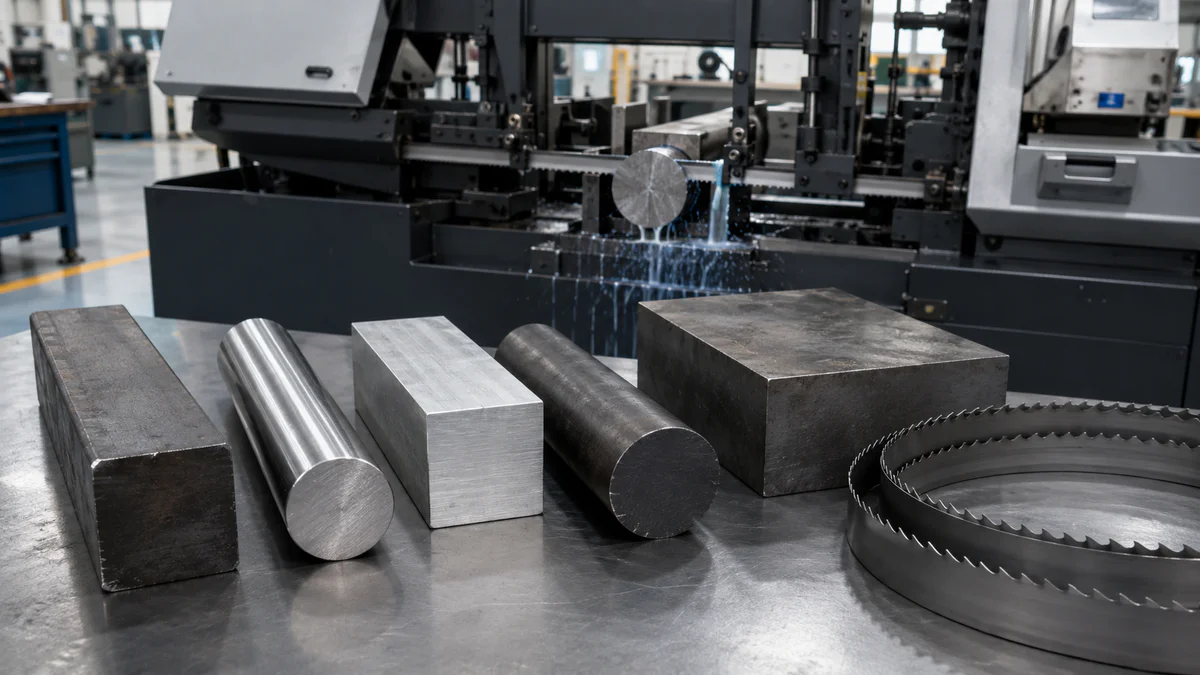
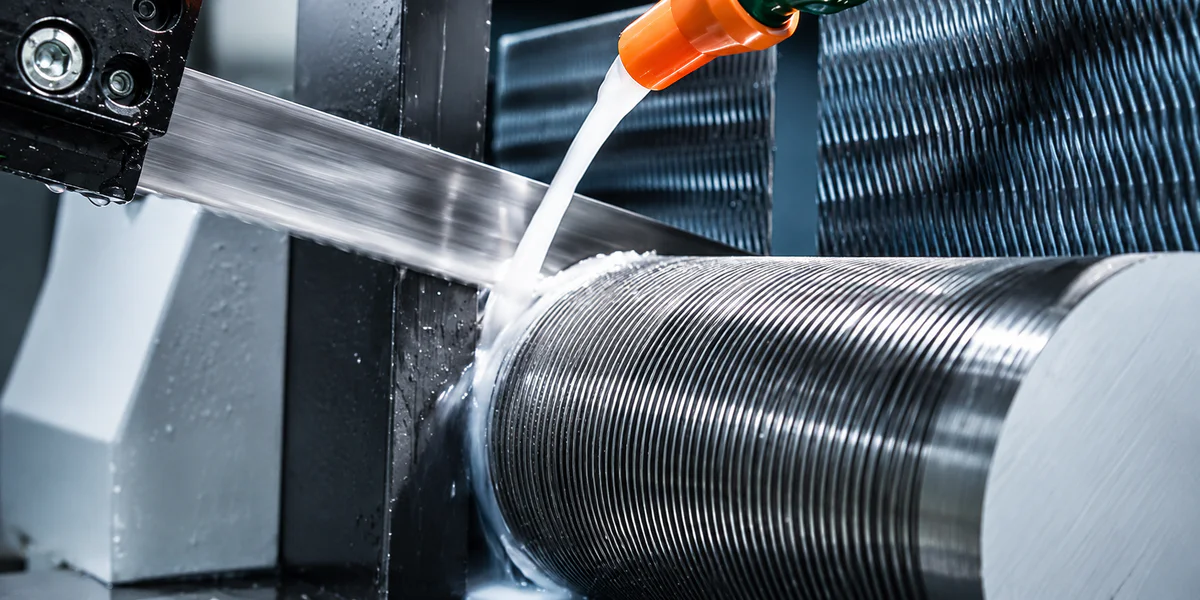
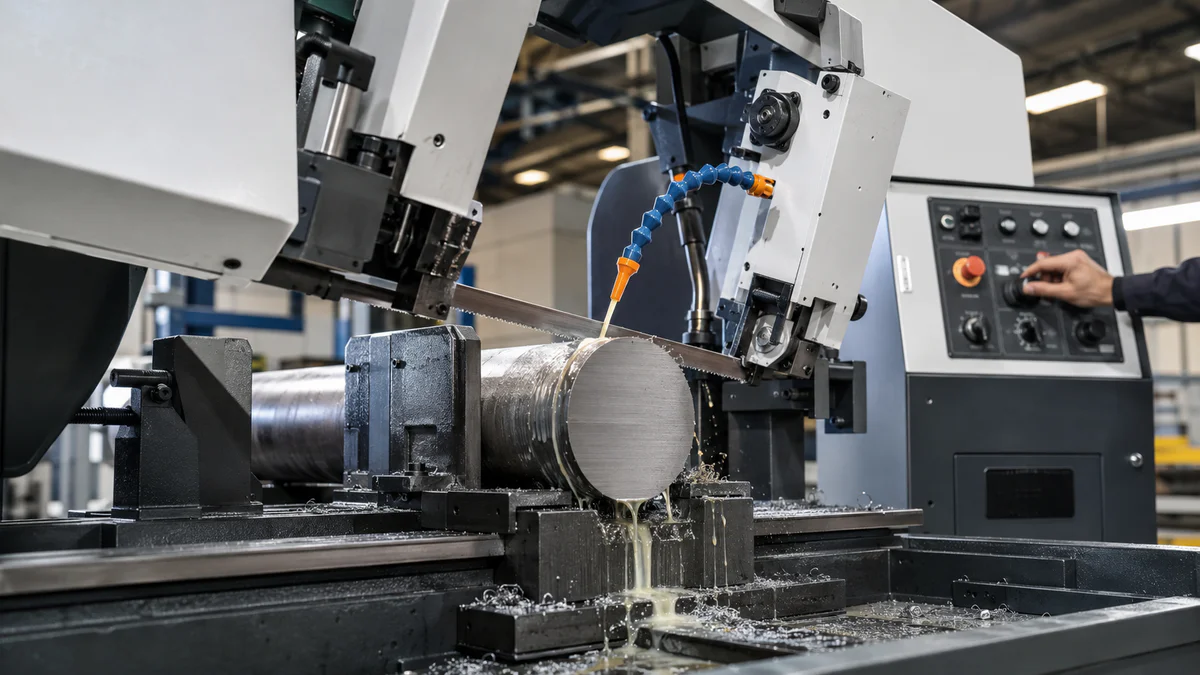
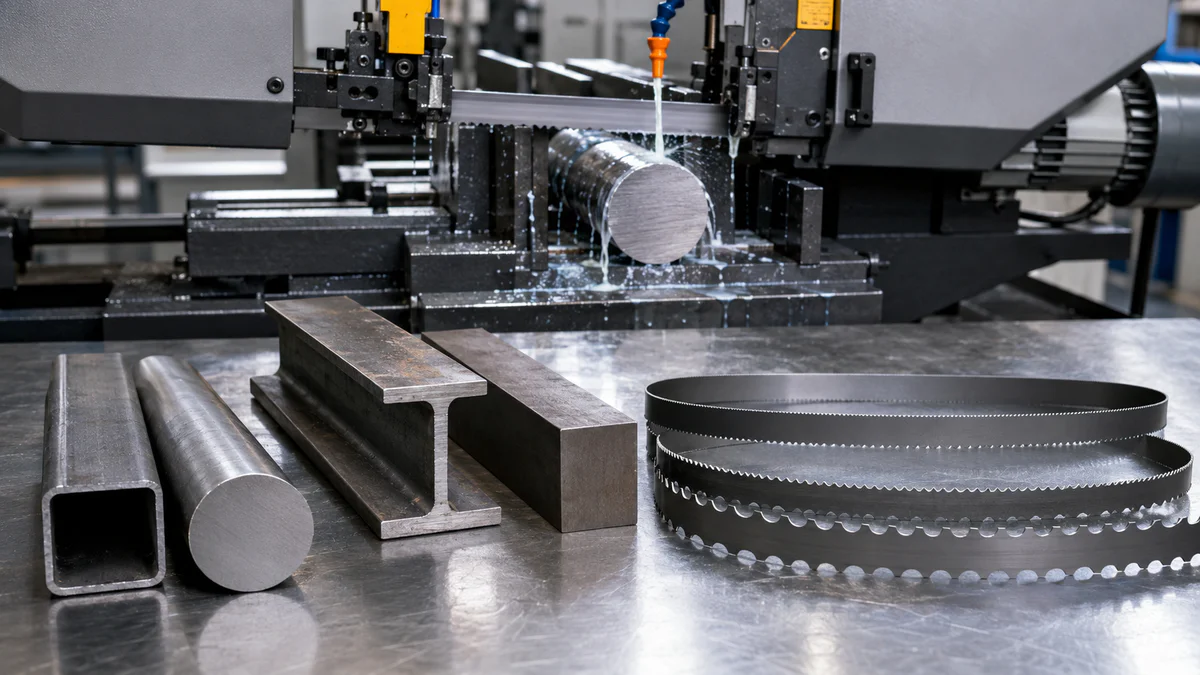
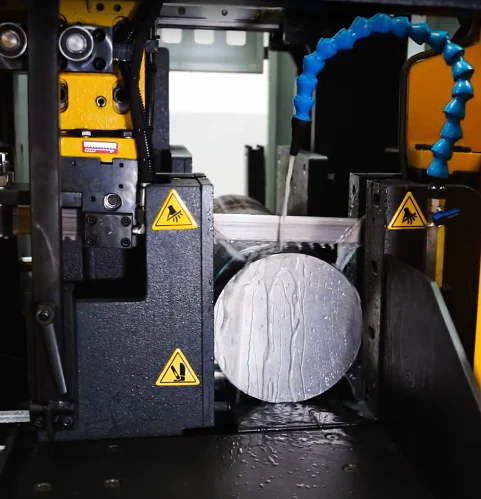
Blade cost is a real part of your daily band saw operation. A blade can wear too fast not only because of blade quality, but because the blade type, tooth pitch, cutting speed, feed pressure, coolant, chip removal and clamping do not match the cutting job.
If you cut metal every day, the right saw and blade setup help you cut blade consumption, downtime and replacement cost.
Lower Cost Starts With the Right Setup
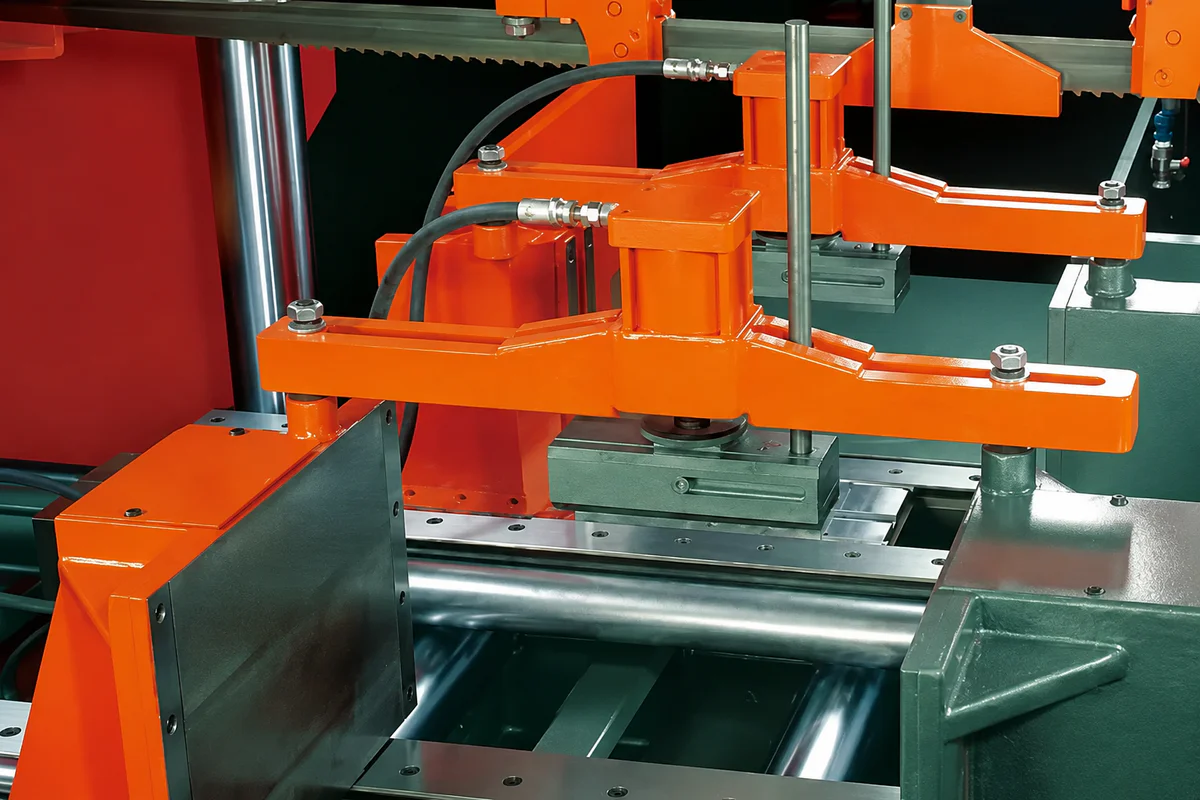
A cheaper machine is not always cheaper to run if it causes frequent blade replacement, unstable cuts or slow production. When we recommend a band saw, you also get the material type, cutting section, blade specification, feeding method, clamping condition and coolant setup checked, so your machine and blade combination fits your real workload.
Get a setup that fits your workload
Machine and blade matched to your material, checked before you buy.
Miter Cutting Options
For structural steel fabrication, your miter cutting capacity should be checked against material type, cutting angle and profile size.
A saw can have one capacity for straight cutting but a smaller one at 45 or 60 degrees. Before you choose a miter band saw, confirm both the cutting angle you need and your actual material profile.
Structural Steel Cutting
Suitable for beams, channels, angles, square tubes, rectangular tubes and other profiles used in fabrication work.
Frame & Support Fabrication
Useful when materials are joined at fixed angles for frames, supports, racks or welded structures.
Repeated Angle Cutting
A miter band saw improves angle consistency when you cut the same angle many times.
Workshop Profile Cutting
For mixed profile cutting, the saw should give stable clamping and smooth angle adjustment across different shapes.
Cutting Angle Range
Confirm whether you need 45, 60 or left-and-right miter cutting. Not every machine supports the same angle range.
Capacity at Each Angle
Cutting capacity usually shrinks during miter cutting. Check the capacity at the exact angle you need, not just the straight-cut figure.
Profile Shape & Size
Channels, angles, beams and tubes contact the vise differently. The clamping method should match the shape to reduce movement during angle cutting.
Angle Positioning
For repeated miter cuts, stable angle positioning reduces deviation between batches.
Material Support
Long profiles need proper support before and after the cutting area. Poor support lets material move and hurts angle accuracy.
Not sure which angle setup fits?
Send your profile type and required angle, get a miter saw matched to it.
Send Your Miter Cutting Details
Share these details and you get a suitable miter band saw checked for your angle work, with the right clamping and capacity matched to your profiles.
Maintenance & Spare Parts
Your band saw runs with blades, coolant, chips, clamping parts and feeding components every day. Easy maintenance and available spare parts keep downtime low and your machine working consistently.
Here are the parts you want to check regularly, and the spare parts support to confirm before you order.
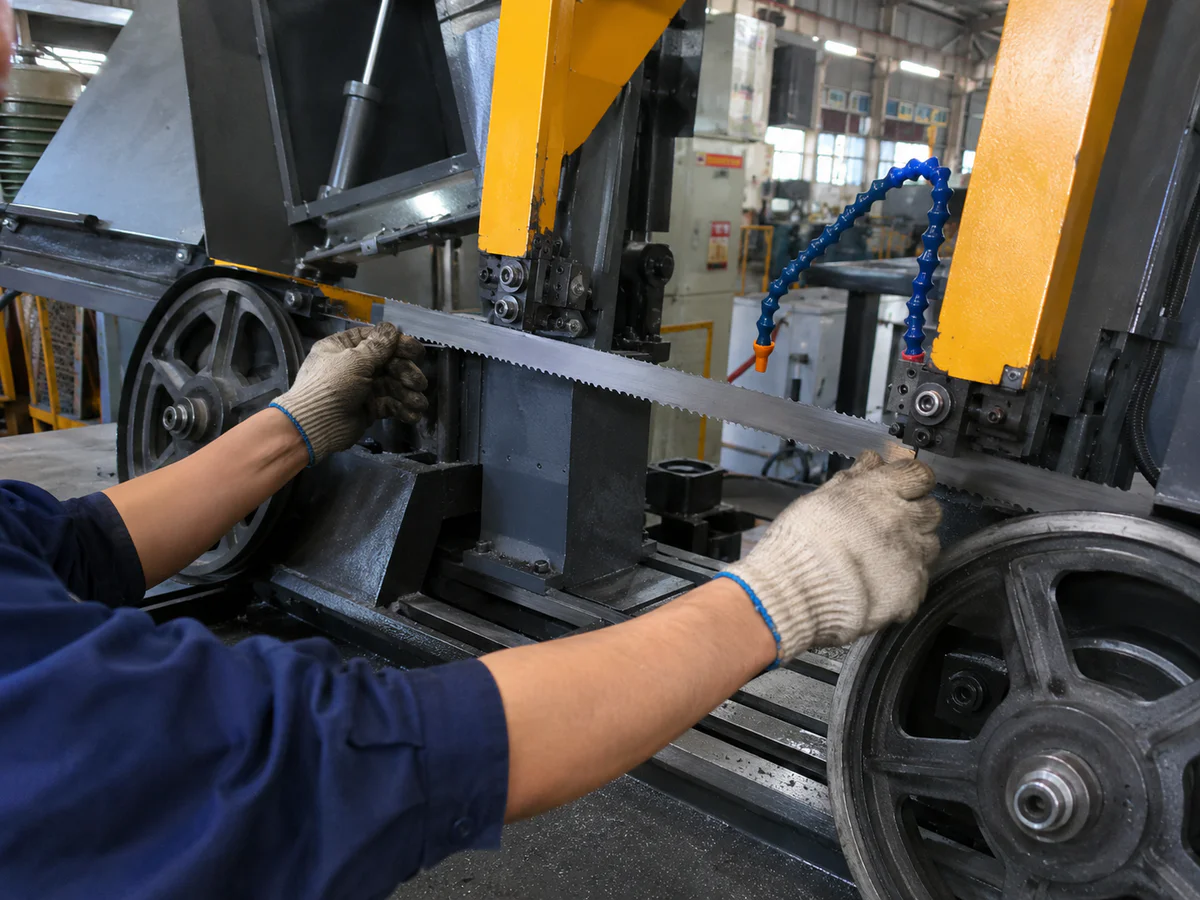
Blade Replacement
The blade should be easy to replace and tension correctly. Proper blade installation reduces cutting deviation and early blade damage, so you spend less time on changeovers.
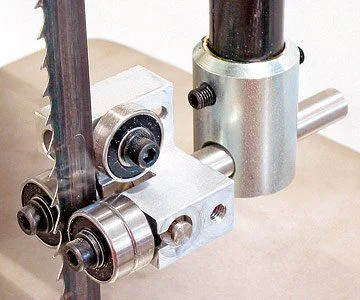
Blade Guide Area
Guide blocks, guide bearings and guide arms should be checked, because they directly affect your blade control and cutting straightness. Worn guides show up fast on the cut face.
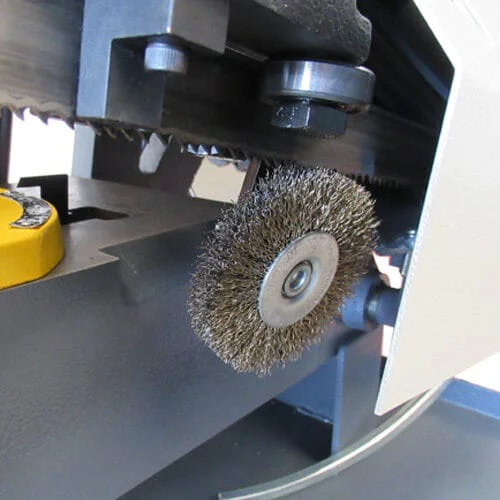
Chip Brush & Removal
Chips should clear from the blade and cutting area. Poor chip removal hurts your blade life, cutting surface and machine operation, so the chip brush and conveyor need to stay clean.
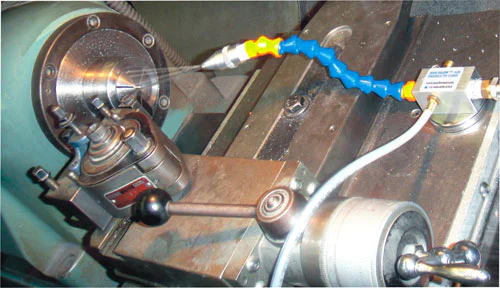
Coolant System
The coolant pump, nozzle and coolant flow should be checked to reduce heat and improve cutting conditions. Steady coolant flow protects both your blade and your cut quality.
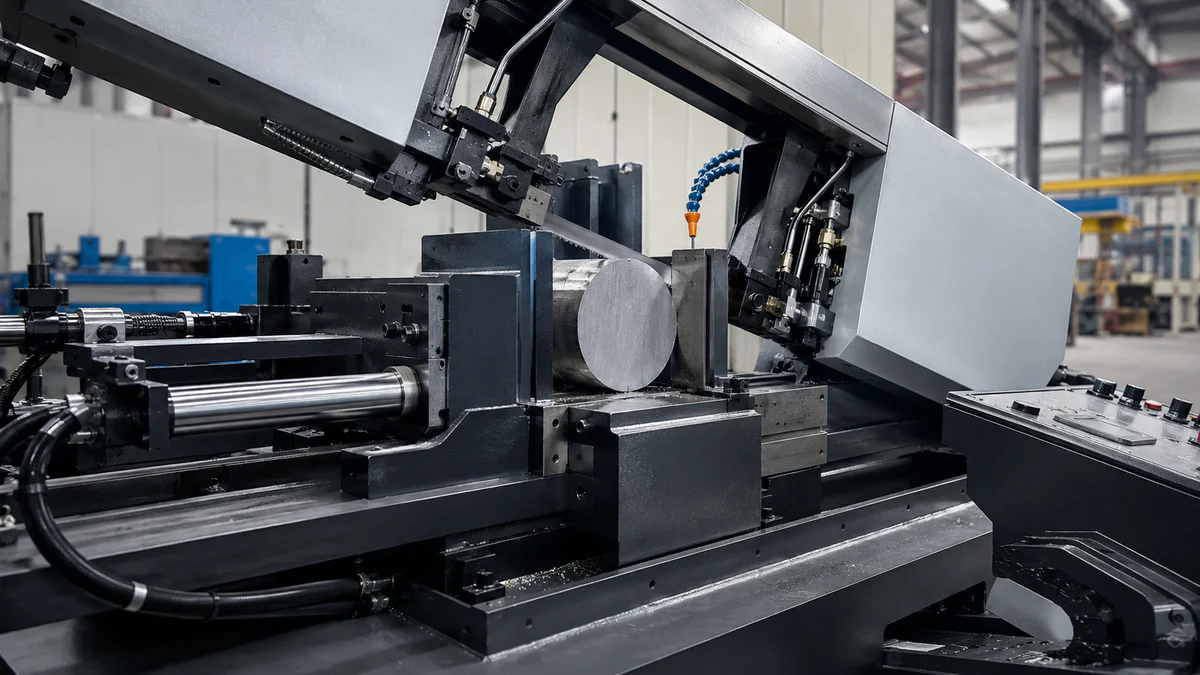
Hydraulic Vise & Saw Frame
On semi-automatic, automatic and CNC models, the hydraulic vise, saw frame movement and feed control should run smoothly and consistently, so your cuts stay square batch after batch.
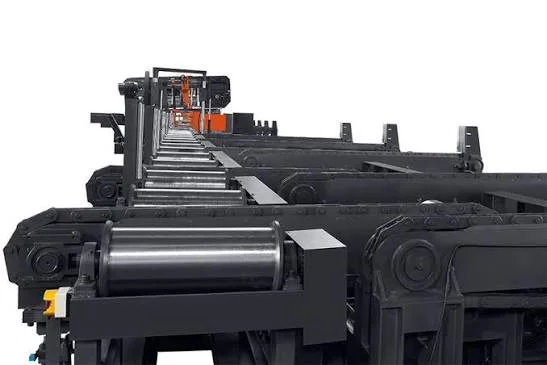
Feeding Rollers & Support
On automatic feeding machines, the rollers, guide rails and material support should be maintained to reduce feeding errors and unstable cutting, so your fixed-length cuts stay accurate.
Parts Support You Can Count On
Before you buy a band saw, confirm whether common wearing parts and service parts can be supplied when you need them. These are the parts you want covered.
Why Choose Our Band Saw Factory
Choosing a band saw is not only about machine size or price. You need a saw that matches your material, cutting method, production volume and long-term operating cost. We help you check the key details before you order, so you choose a suitable machine with fewer selection risks.
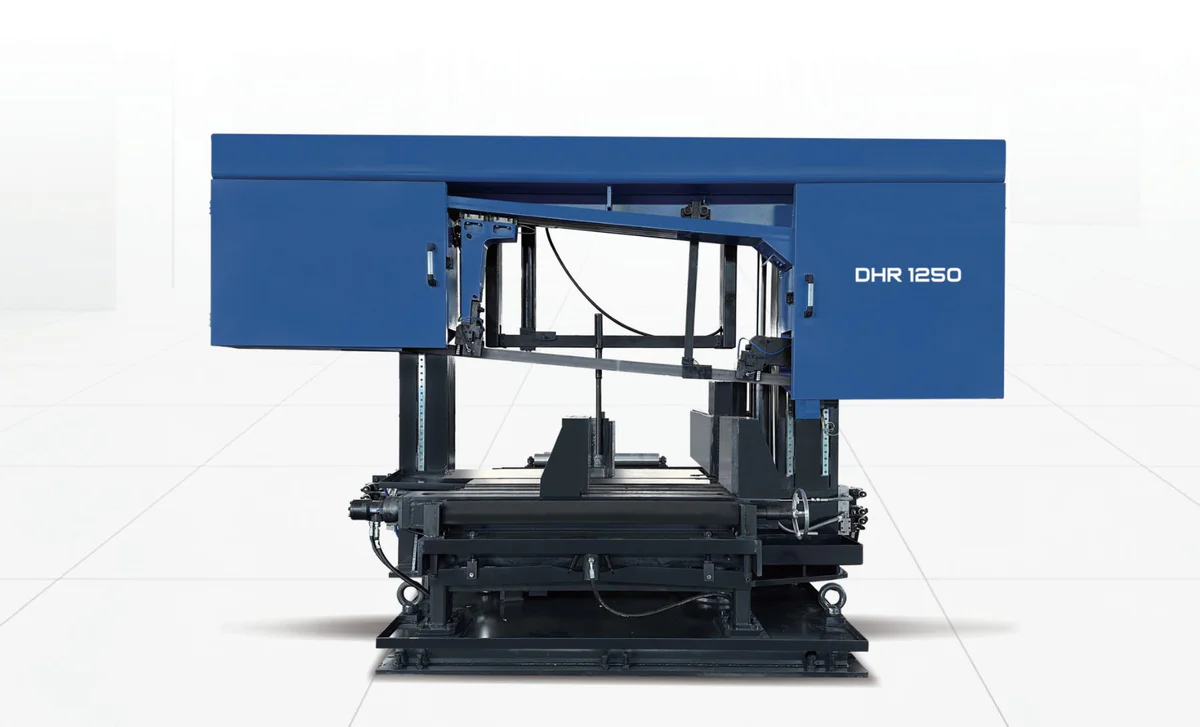
We Help You Choose the Right Model
You do not need to compare every model yourself. Send us your material type, shape, maximum size, cutting length, angle and daily quantity, and we check whether you need a manual, semi-automatic, automatic, CNC, double-column or miter band saw.
We Check Cutting Capacity Carefully
A capacity number alone may not tell the full story. We help you review the machine capacity against round bar, square bar, pipe, tube, profile, solid material, hollow material, bundle cutting and miter cutting, so the saw fits your real work.
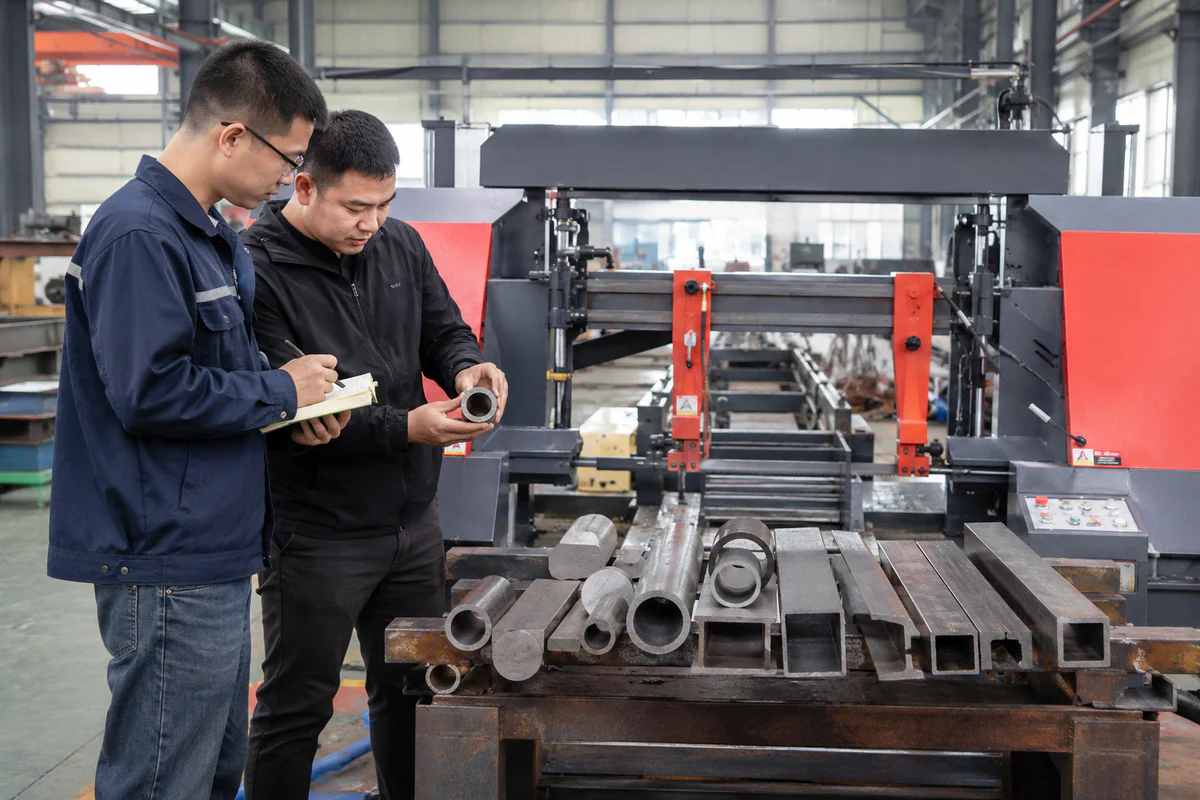
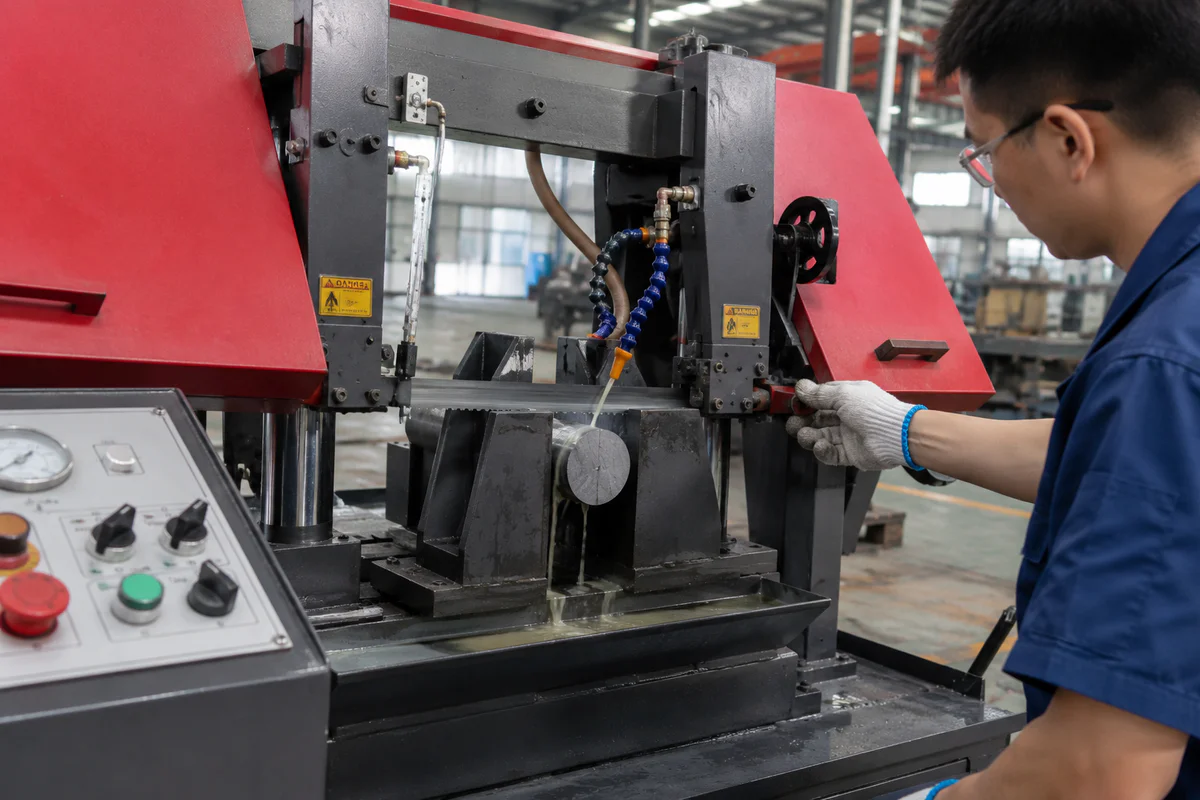
We Consider Blade Life and Cutting Cost
A low machine price gets expensive if the blade wears too fast or cutting is unstable. We help you match the machine, blade type, tooth pitch, cutting speed, feed rate, coolant and clamping method to your material and production use.
We Focus on Stable Cutting
If the material is not held correctly, you get angled cuts, rough surfaces, length errors or faster blade wear. We help check the clamping method, feeding structure and material support for your job, especially for tubes, profiles, long bars and bundle cutting.
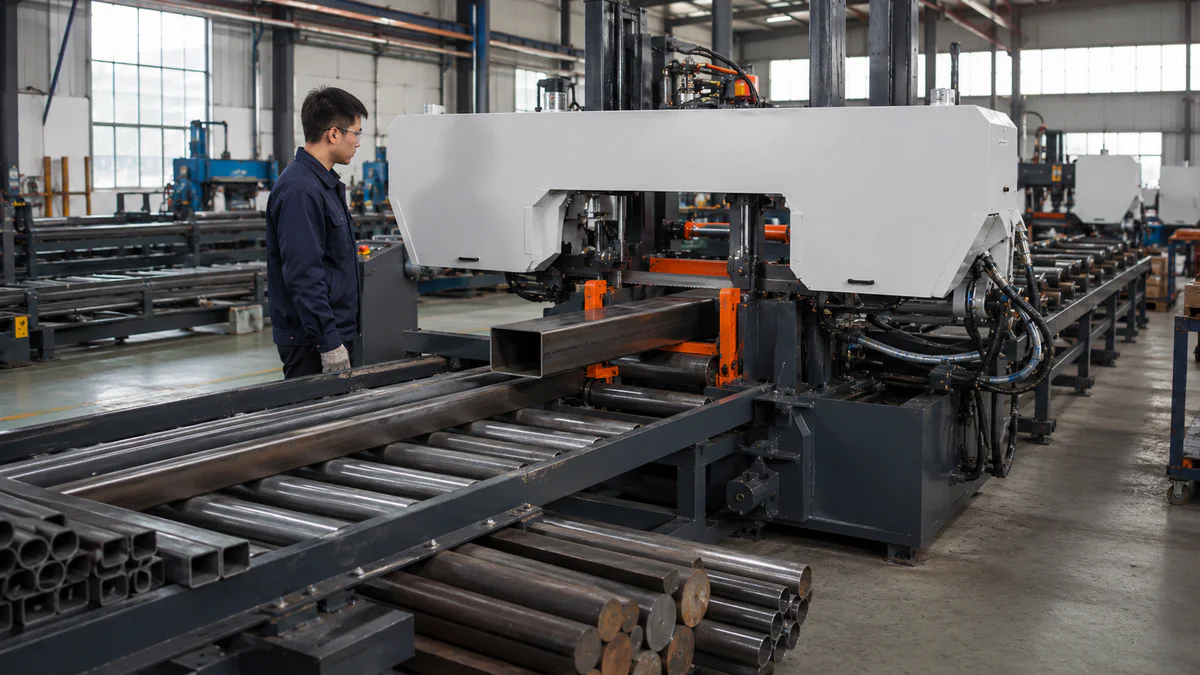
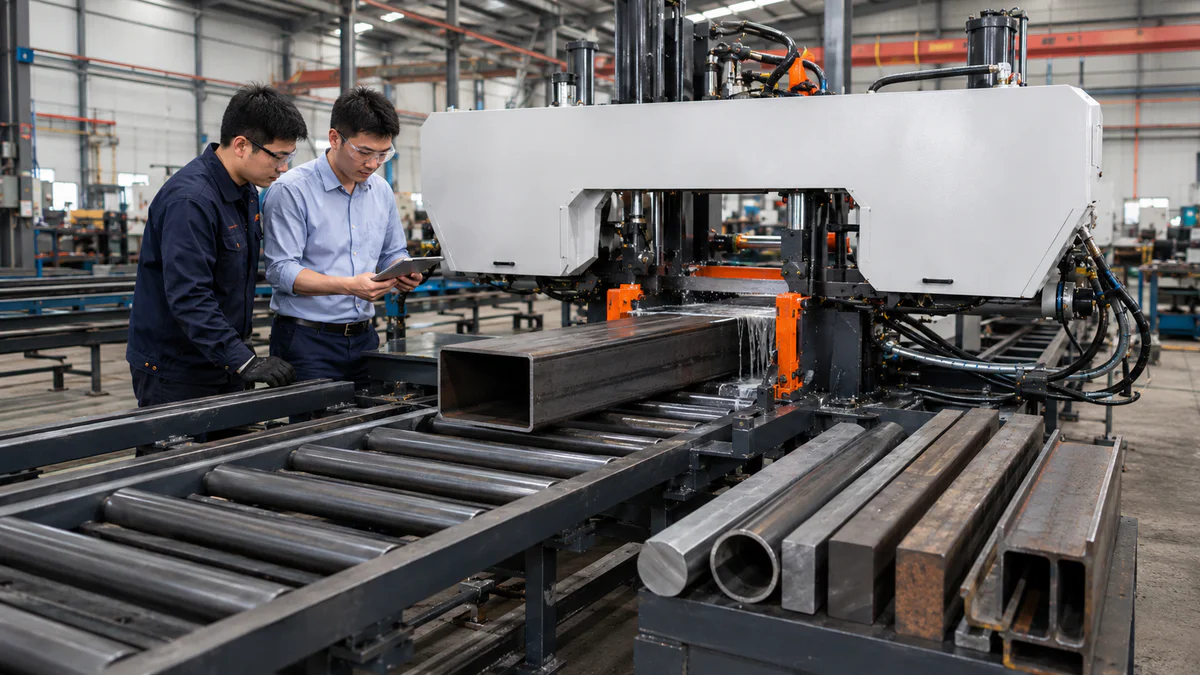
We Support Testing Before Delivery
Before shipment, the machine can be checked against your ordered model and configuration. For special cutting requirements, you can send material details, drawings or samples for review, so the cutting application is confirmed clearly before delivery.
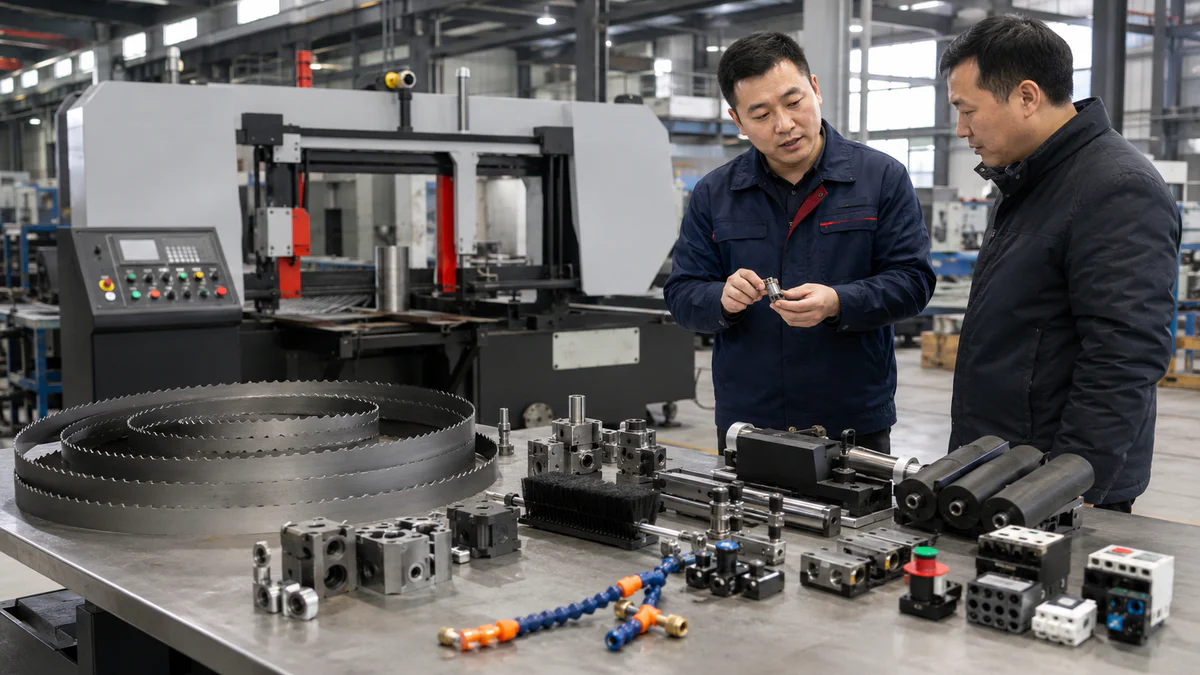
We Supply Spare Parts and Blade Support
Once the machine starts working, you may need blades, guide blocks, chip brushes, coolant parts, hydraulic vise parts, feed rollers, switches and other wearing parts. We help you check the recommended spare parts and blade options for your model and application.
Band Saw Questions Answered
Common questions on choosing, running and maintaining a metal cutting band saw. Still unsure after reading? Send us your cutting details and you get a direct answer.
1How do I choose the right band saw?
Start with your material shape, maximum cutting size, material grade, cutting length, cutting angle and daily cutting quantity. These decide whether you need a manual, semi-automatic, automatic, CNC, double-column or miter band saw.
If you are not sure, send us your cutting requirements. We help you check the suitable saw direction before you compare machine models.
2Can one band saw cut bars, tubes and profiles?
Yes, one band saw can often cut different material shapes, but the setup may need to change.
Solid bars, hollow tubes and structural profiles may need different blade tooth pitch, clamping method, feed setting and material support. If you cut mixed materials, the machine should be selected with enough capacity and stable clamping for your main cutting jobs.
3Why is the listed cutting capacity not enough for selection?
A capacity number only shows part of the machine range. You still need to check the material shape, solid or hollow structure, cutting angle and clamping condition.
A round bar, square tube and H beam with similar outer size may not behave the same during cutting. Miter cutting capacity can also be smaller than straight cutting capacity.
4When do I need an automatic or CNC band saw?
You may need automatic feeding or CNC control when you cut repeated lengths, handle batch quantities, want to reduce manual feeding errors or need more stable output between operators.
For occasional cutting, a manual or semi-automatic saw may be enough. For stock cutting, bar processing, pipe cutting or repeated production, automatic or CNC models are usually more suitable.
5What affects cutting accuracy?
Cutting accuracy is affected by machine rigidity, blade guide condition, blade tension, feed pressure, material clamping, material support and blade selection.
If the material moves, the blade is not guided well, or the feed pressure is not suitable, the cut may become angled, rough or inconsistent.
6Why does the band saw blade wear too fast?
Fast blade wear is usually related to material hardness, wrong tooth pitch, excessive feed pressure, poor coolant, chip buildup, vibration, unstable clamping or no proper blade break-in.
Blade life is not only about blade quality. The machine setup, cutting parameters and operator practice also affect blade consumption and cutting cost.
7How do I choose the right blade for my material?
Blade selection should be based on material type, material size, wall thickness, solid or hollow structure and cutting frequency.
Solid bars usually need a different tooth pitch from thin-wall tubes. Stainless steel, carbon steel, aluminum and alloy steel may also need different blade types, cutting speeds and coolant conditions.
8Can a band saw cut bundled materials?
Yes, but bundle cutting needs proper clamping and material support.
Side clamping alone may not be enough for small bars, tubes or multiple pieces. Top clamping or bundle clamping keeps the material stable during feeding and cutting, reducing movement, uneven cuts and blade damage.
9Does cutting capacity change for miter cuts?
Yes. Straight cutting capacity and miter cutting capacity are usually different.
When cutting at 45 or 60 degrees, the available capacity can become smaller. Before choosing a miter band saw, confirm the required angle, profile shape, maximum size and whether left-right miter cutting is needed.
10What information should I send for a saw recommendation?
You can send your material type, material shape, maximum size, wall thickness, solid or hollow structure, straight or miter cutting requirement, cutting length, daily quantity and automation requirement.
With these details, we help check the suitable machine type, cutting capacity, blade selection, clamping method and feeding solution.
Get Your Saw Recommendation
Send your material and cutting details, and you get a model, blade and feeding solution matched to your work, with a reply within 12 to 24 hours.
Henry
Band Saw Sales, RITEC
Tell me what you cut and how you cut it. I will help you check the machine capacity, blade type, clamping and feeding so you choose a saw that fits your real workload, not just the spec sheet.
No pressure, no spam. Just a clear recommendation you can use to compare.
Henry