
Tower Connection Plates · Factory Direct
CNC Drilling for Tower Connection Plates
RITEC builds CNC plate drilling machines that drill, tap and chamfer or countersink tower connection plates, and the CNC angle lines for the members those plates join. Both come from our own factory in Jinan, Shandong Province, China.
Send a representative set of plate drawings and tell us how they fit your tower schedule. We match the machine to your plates and plan it alongside your angle production, so part numbers, revisions and priorities stay aligned.
Drill
Bolt holes from your plate drawings
Tap
Threaded holes where specified
Chamfer or countersink
Hole finishing to the drawing
Angle members
CNC angle lines from the same factory
Plate Machines and Angle Lines from One Factory
We build the machines for both halves of a tower parts list, so your plate equipment is planned against the angle work it has to keep pace with. Choose drilling, punching or both for the plates, and add an angle line where you need one.
Planning a complete tower workshop? See our transmission tower fabrication equipment overview.
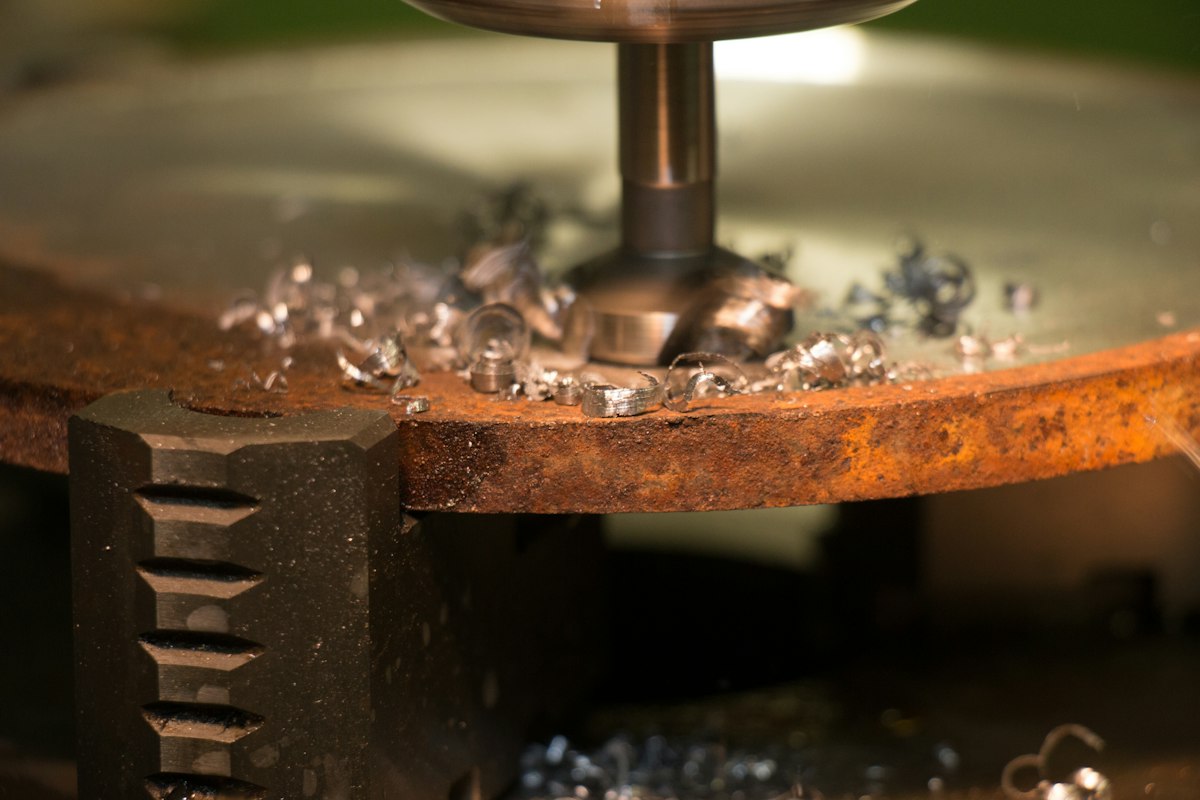 Drill and Tap
CNC Plate Drilling Machine
Drills, taps and chamfers or countersinks tower connection plates, gusset plates and base plates straight from your plate drawings.
Focus: Hole position · Tapped holes · Hole finishing
See our CNC plate drilling machines Punch
Hydraulic Plate Punching Machine
For plates where your project specification permits punched holes. Because we build both machines, we recommend drilling or punching plate by plate.
Focus: Permitted holes · Repeated patterns · Plate thickness
See our hydraulic plate punching machines Angle Members
CNC Angle Line
Feeds, marks, punches both legs and shears tower angles to length in one continuous process, then discharges the finished member. Plate output can then be planned against a known angle schedule.
Focus: Part marking · Both legs punched · Cut to length
See our CNC angle linesGroup Your Plates Before We Size the Machine
We size a plate drilling machine from your plate families, not from the single largest plate in the project. Sort the plates by material, size, thickness, hole requirements and quantity, and flag the parts that are easy to mix up.
| Plate group | What we check |
|---|---|
| Gusset and connection plates | Thickness, hole pattern and quantity per tower: usually most of the daily workload |
| Base plates and heavy plates | Size, weight and hole requirements: they decide travel, clamping and loading, even in small numbers |
| Mirrored plates | Which drawings are left- and right-hand pairs: each hand needs its own program and part mark |
| Similar shapes, different holes | Drawing numbers and revisions: stops a near-identical program running on the wrong plate |
| Part identification | How plates are marked and kitted today: keeps every plate tied to its drawing number downstream |
Gusset and connection plates
Thickness, hole pattern and quantity per tower: usually most of the daily workload
Base plates and heavy plates
Size, weight and hole requirements: they decide travel, clamping and loading, even in small numbers
Mirrored plates
Which drawings are left- and right-hand pairs: each hand needs its own program and part mark
Similar shapes, different holes
Drawing numbers and revisions: stops a near-identical program running on the wrong plate
Part identification
How plates are marked and kitted today: keeps every plate tied to its drawing number downstream
Our drilling and punching machines cover the hole-making operations. Blank cutting, galvanizing and tower assembly stay separate steps, but we keep them in the plan because they decide when plates reach assembly. Drilling connection plates for building steelwork instead? See structural connection plate drilling.
Drill or Punch: Decided Plate by Plate
Your project specification and plate drawing decide whether a hole is drilled or punched. Because we build both machines, we recommend from the drawing, not from the machine we happen to sell. Use the table as a first sort, then send the drawing and we confirm the route.
| Your plate requirement | Better direction |
|---|---|
| Holes the project specification requires to be drilled | CNC Drilling |
| Thick base plates | CNC Drilling |
| Threaded holes | Drilling & Tapping |
| Chamfered or countersunk holes | Drilling with Chamfering or Countersinking |
| A specified hole quality | CNC Drilling |
| Thin gusset plates with simple repeated holes | Punching Can Be Considered |
| High-volume standard holes, where permitted | Punching Can Be Evaluated |
For the full comparison, read our guide to plate drilling vs punching.
Size the Machine for the Plates You Run Every Week
We size travel, clamping, tooling and loading access for the plates that come up most often, not for one heavy base plate. Our guide to choosing a CNC gantry drilling machine covers the machine side in more depth.
Several small gusset plates use the working area differently from one heavy base plate, so we check both against your regular batch.
If you want several plates in one setup, we review clamping and program separation for your actual parts before we propose it.
We follow how plate kits move from blank preparation through drilling and inspection to the next operation, because handling and sorting can limit output as much as the drilling cycle.
Keep Plate Output in Step with Your Angle Line
Size plate drilling from the same bill of parts as your angle line, because a fast angle line does not ship towers while connection plates wait for drilling. We estimate the plate workload from your quantities and schedule, then compare it with the angle side for the same towers.
Plate Workload
We count complete plate cycles, not drilling time alone.
Angle Schedule
For an expansion, we show whether a new machine adds capacity to your current route or changes the route, and phase the plan around the real bottleneck. See how we estimate CNC angle line capacity.
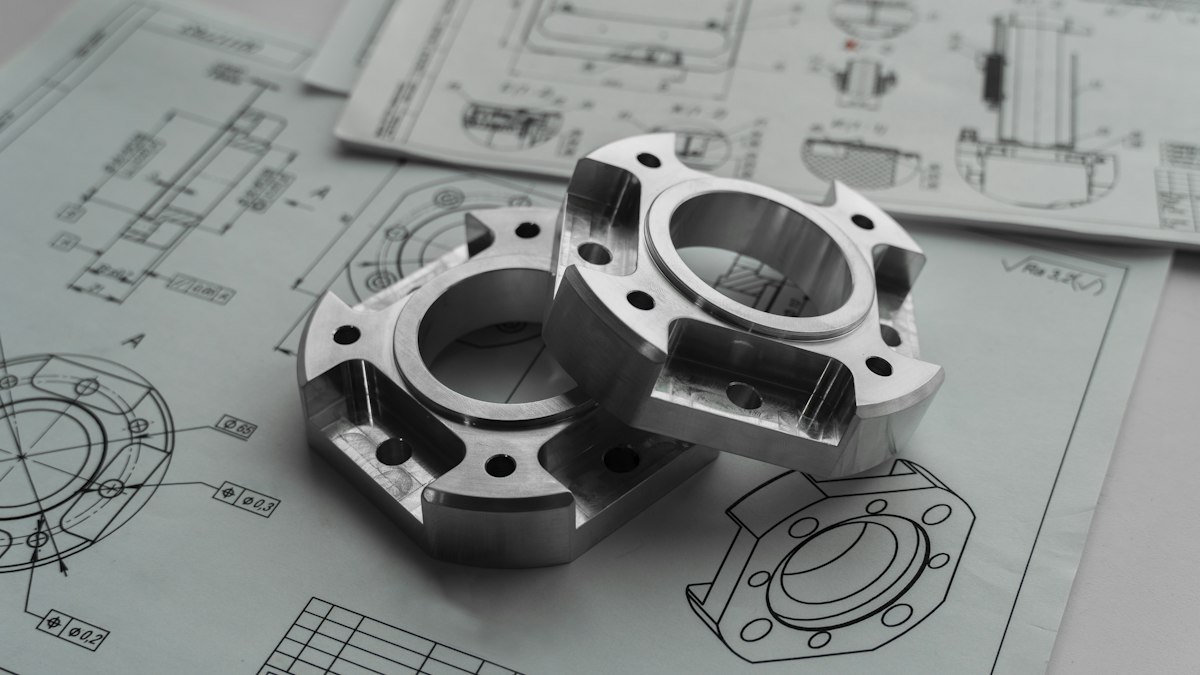
Check Hole Pattern and Part Identity Together
A tower plate is right only when its holes match the drawing and it still carries the correct part number and revision at assembly. We agree with you which representative plates to check, the datum system and the measurements the drawing requires.
Before production, we settle how each blank is located and how that reference relates to the drawing. For repeated plates we plan fixture settings and first-piece checks; for frequently changing parts we plan program naming and revision checks, so a similar drawing never runs on the wrong plate.
When a sample trial is part of the offer, we record the plates, setup, tooling and the steps included in the elapsed time, and a short drilling clip is never presented as a full batch result. Machining, assembly, electrical installation, programming and full-line testing are done in-house at our Jinan factory.
Questions Before You Choose
Short answers to the questions tower fabricators ask most. If yours is not here, ask Henry directly.
Should every tower plate be drilled?
No. Drill where the drawing or project specification calls for drilled holes, tapping, chamfering or countersinking; punch where punching is permitted and suitable. We build both machines, so we recommend the route plate by plate.
Can one machine process several small plates at once?
It depends on your plates. We review fixtures, independent clamping, program separation and the usable working area against your actual parts, and propose a multi-plate arrangement only where it works.
How should plate drilling output be matched to an angle line?
Use the same bill of parts for both. We compare complete plate cycles, including loading, finishing and inspection, with the angle line's schedule for the same towers, rather than the headline capacity of each machine.
Can RITEC supply the angle line as well?
Yes. We build CNC angle lines, CNC hydraulic angle notching machines and angle steel heel milling machines in the same factory, so the plate side and the angle side can be quoted and planned together.
Does RITEC cover complete tower manufacturing?
No. We supply the processing machines for tower angles and plates. Tower design, galvanizing and tower assembly sit outside our supply and need their own scope.
Send a Representative Tower Plate Set
Send plate drawings, materials, regular and maximum thicknesses, quantities and your planned angle output, and tell us where plates are delayed today. Planning a wider workshop investment? Add the angle list and your factory layout, and we plan the plate machines inside the whole fabrication plan.
Or email cncmachinery@costergroup.cn
You send
- Plate drawings
- Materials
- Regular and maximum thickness
- Quantities
- Planned angle output
- Current plate route
We check
- Drill or punch per plate
- Machine and working area
- Plate and angle workload
- Part identity controls
- Written supply scope